
New Moon
1940
No user ratings available yet
Diversity score: 2.2 out of 10
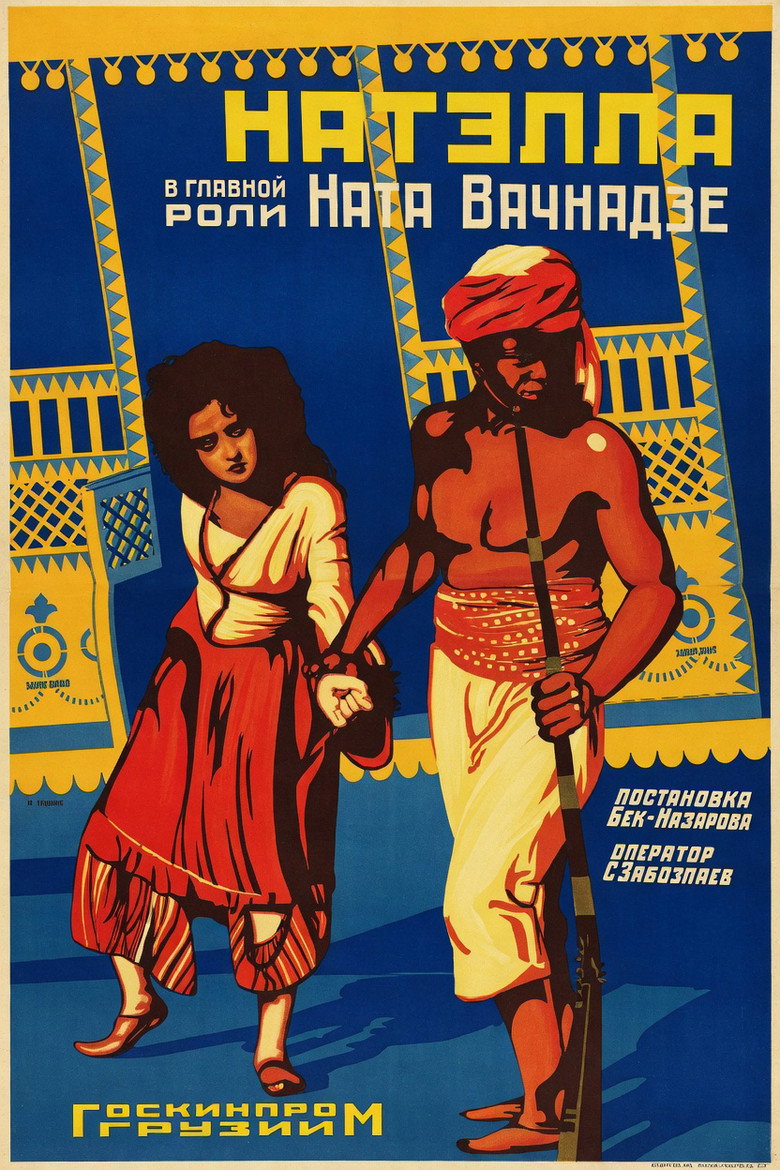
1926
Director
Hamo Bek-Nazaryan
Runtime
70 minutes
Average Rating
No ratings yetSynopsis
Love, adventure, and revolutionary uprising in 19th century Georgia.
Overall Score
Good
Category Breakdown
LGBTQ+ Representation
The film lacks explicit evidence of queer narratives or non-cisnormative identities. Romantic arcs in this era often prioritize political devotion over individual identity.
Gender Representation
Female characters likely act as participants in political upheaval rather than passive interests. The revolutionary setting suggests a disruption of traditional domestic hierarchies.
Racial & Ethnic Diversity
Set in Georgia and directed by an Armenian, the film centers a non-Western, Caucasian cultural context. It prioritizes local ethnic agency over a Eurocentric gaze.
Religious & Cultural Diversity
The narrative focuses on regional struggle and anti-establishment themes. It critiques historical power structures through the lens of a revolutionary uprising.
Disability Representation
There is no information available regarding the portrayal of physical or neurodivergent characters.
Strengths
Areas for Improvement
AI Analysis
Natela is a period piece that leverages its 19th-century Georgian setting to challenge traditional social hierarchies. By centering a revolutionary uprising, the film moves away from Eurocentric perspectives and explores systemic transformation. The film's strength lies in its cultural specificity and its potential for female agency within a political framework. However, the lack of clarity regarding specific character identities and the absence of disability representation limit its overall score. Ultimately, the work serves as a significant example of early non-Western cinema, focusing on regional identity and the disruption of established power structures.
1940
1936
1947

1968

1936
1935

1963
No reviews yet. Be the first to share your thoughts on this movie!
Use the rating form above to leave a star rating and optional review.