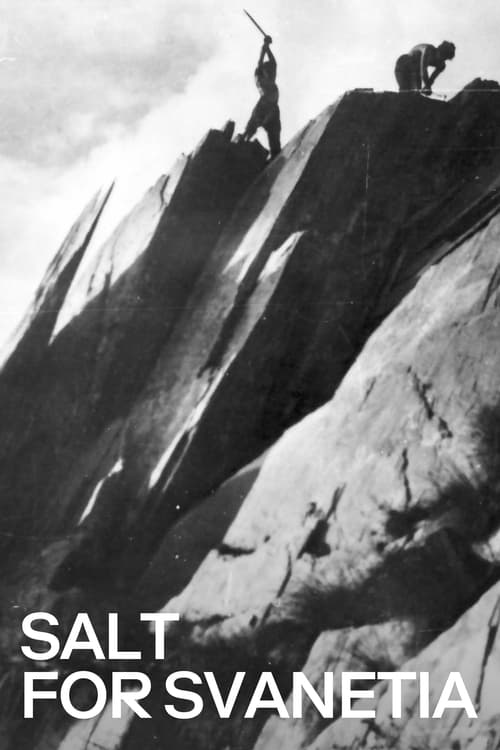
Salt for Svanetia
1930
No user ratings available yet
Representation score: 3.8 out of 10

Representation Score
Limited
1912
Director
Vasil Amashukeli
Runtime
44 minutes
Average Rating
No ratings yetNew Showbiz Analysis
This documentary functions primarily as an ethnographic record of regional Georgian identity. Its significance lies in its historical documentation of the Racha and Lechkhumi populations during the early 20th century. Operating within the historical context of 1912, the film captures the traditional social hierarchies and patriarchal structures prevalent in the mountainous regions of that time. While it does not offer multi-layered complexity or subversion of social norms, it remains a valuable piece of cultural preservation for the Caucasus region.
Category Breakdown
The film does not include any characters or narratives related to LGBTQ+ identities. Given its nature as a 1912 travelogue focused on a literary figure, it adheres to the social norms of its time.
The story centers around Akaki Tsereteli, a male figure of cultural importance. It likely reflects the patriarchal structures and traditional social roles of early 20th-century Georgian society.
The work highlights regional ethnic expressions within Georgia. By focusing on populations outside the urban centers, it offers a nuanced view of the ethnic landscape.
The documentary serves as a preservation tool for the cultural fabric of the Caucasus region. It documents traditional lifestyles and communal customs without challenging established institutions.
There is no evidence of individuals with disabilities being portrayed in this documentary.
Present on Screen
Limited or Absent
Official Synopsis
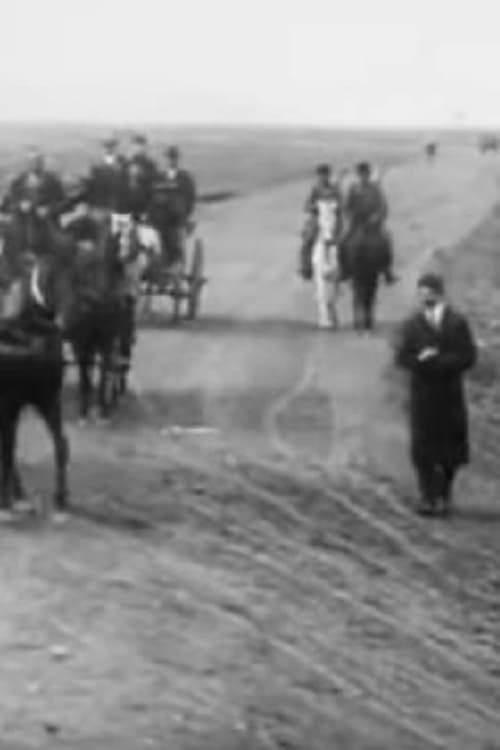
The first Georgian full-length documentary follows the trip of the “king of Georgian poetry”, Akaki Tsereteli, to Racha and Lechkhumi, and his relationships with the people living in the mountainous areas of Western Georgia
1930
1964
1939
2003

2022
1905
1911
1999
No reviews yet. Be the first to share your thoughts on this movie!
Use the rating form above to leave a star rating and optional review.