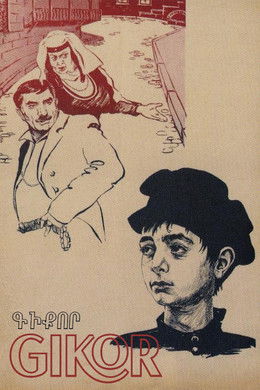
Gikor
1982
No user ratings available yet
Representation score: 2.7 out of 10

Representation Score
Limited
1927
Director
Kote Mardjanishvili
Runtime
44 minutes
Average Rating
No ratings yetNew Showbiz Analysis
Gogi Ratiani is a culturally significant drama that shifts the cinematic focus away from Western-centric narratives. By focusing on Georgian life during a time of intense geopolitical change, the film provides a nuanced look at ethnic and cultural identity. The narrative uses the personal ambitions of two young painters to mirror the broader systemic changes of the October Revolution. This creates a framework where individual aspirations intersect with the dismantling of old-world social orders. However, the film's focus remains heavily male-centric. While it excels in cultural specificity, it lacks visible representation of LGBTQ+ identities or disability, reflecting the limitations of its historical era and available documentation.
Category Breakdown
The film does not show any non-straight relationships or critiques of the assumption that everyone is straight or cisgender, which is typical for movies set in the 1920s.
The story focuses on male characters, Gogi and Kiko. Despite the revolutionary backdrop that hints at breaking patriarchal structures, there is little evidence of women taking a leading role in the plot.
The film highlights Georgian culture strongly. By focusing on a non-Western narrative, it challenges the dominance of Western cinema with a local ethnic perspective.
Set during the October Revolution, the film examines the tension between personal artistic desires and the rise of collective ideologies. It emphasizes the breakdown of traditional social hierarchies.
There is no information about the portrayal of physical disabilities or neurodivergence. The records do not mention any characters with disabilities.
Present on Screen
Limited or Absent
Official Synopsis
After an earthquake orphans young Gogi, he meets Kiko, with whom he shares a love of painting and the dream of going to art school.
1982
1961
1961
1997
1942

1990

2009
1990
No reviews yet. Be the first to share your thoughts on this movie!
Use the rating form above to leave a star rating and optional review.