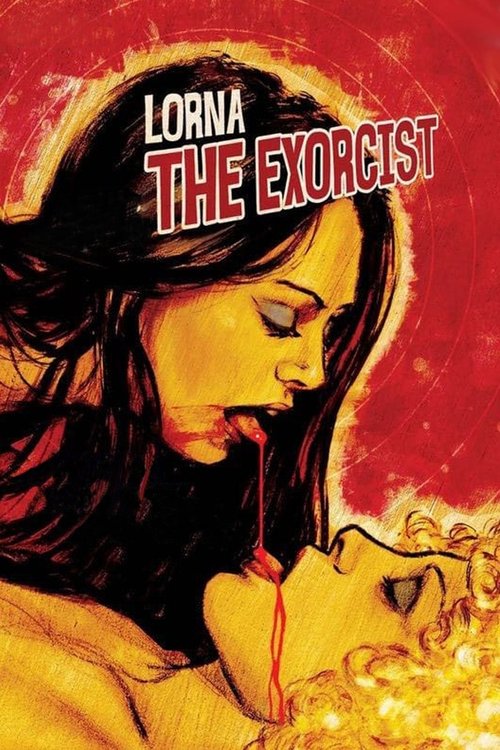
Lorna, the Exorcist
1974
No user ratings available yet
Representation score: 5.0 out of 10
Representation Score
Limited
1975
Not RatedDirector
Franco Lo Cascio, Angelo Pannacciò
Runtime
88 minutes
Average Rating
No ratings yetNew Showbiz Analysis
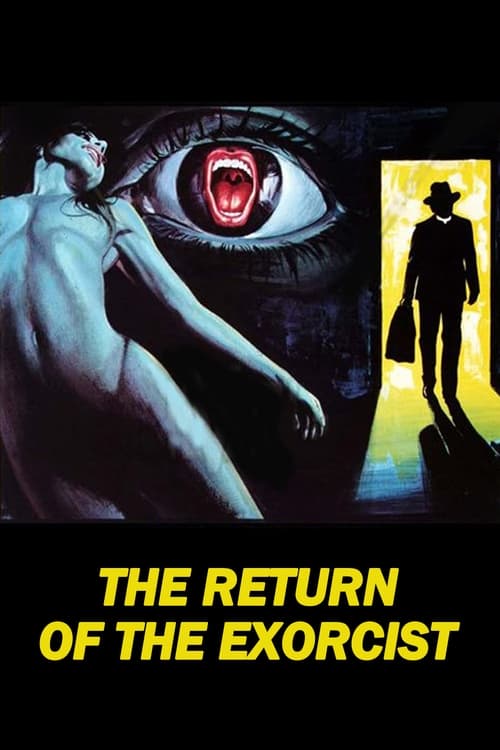
The Return of the Exorcist is a product of mid-1970s Italian genre cinema, focusing on visceral horror rather than social deconstruction. The film relies on established supernatural clichés reflecting the demographic and thematic constraints of its time. While the female demon Haggia provides a central narrative driver, her role is tied to a traditional horror archetype where a feminine force victimizes a male protagonist. The production does not show intentional efforts towards inclusive storytelling or progressive social frameworks. Ultimately, the film functions as a standard period piece. It maintains the homogeneous casting and mythological focus typical of European horror from this era, offering little in the way of modern diversity.
Category Breakdown
The film does not include any characters with non-binary or LGBTQ+ identities. The story revolves around a supernatural possession involving a male student and a female demon.
The female demon Haggia plays a central role in driving the plot. Her power is portrayed as a supernatural threat rather than challenging traditional gender roles.
Given its 1975 Italian production, the film likely reflects the predominantly white demographics of its era. There is no indication of significant non-white representation.
The story incorporates ancient curses and mysticism, moving beyond a singular Christian morality. However, it does not explicitly critique Western institutions or traditional social structures.
There are no characters with visible or invisible disabilities featured in the narrative.
Present on Screen
Limited or Absent
Official Synopsis
An archaeology student photographs a mysterious naked woman by a waterfall, unaware that she is a female demon called Haggia, who soon takes possession of him via a cursed amulet.
1974
1961
1975
1960
1995
1975
1979

1974
No reviews yet. Be the first to share your thoughts on this movie!
Use the rating form above to leave a star rating and optional review.