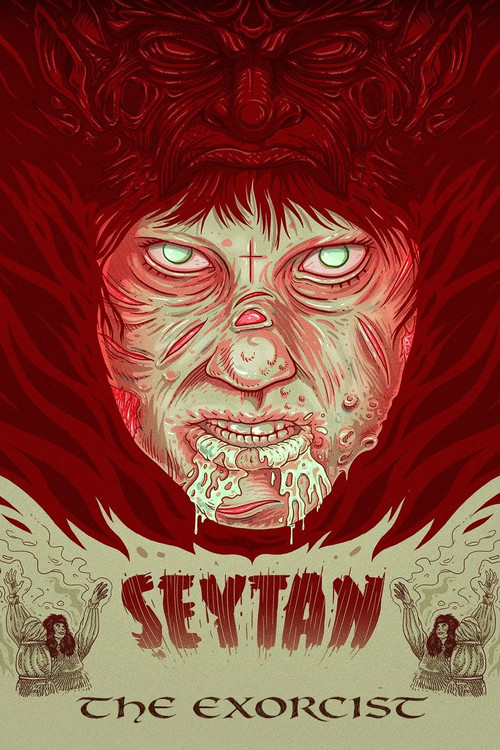
The Exorcist
1974
No user ratings available yet
Representation score: 3.5 out of 10
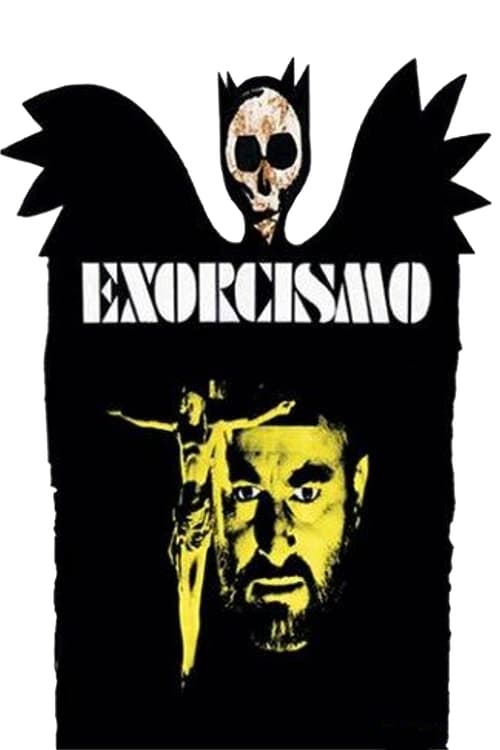
Representation Score
Minimal
1975
Not RatedDirector
Juan Bosch
Runtime
90 minutes
Average Rating
No ratings yetNew Showbiz Analysis
Exorcismo is a traditional 1970s horror film that adheres strictly to the genre conventions of its time. The narrative structure is built on established religious and familial hierarchies, offering little subversion of social norms. The central conflict—a daughter being possessed by her deceased father—reinforces patriarchal power dynamics. This focus on traditional authority figures limits the scope of character's ability to drive the story and identity exploration. Ultimately, the film functions as a culturally homogeneous piece of European genre cinema. It prioritizes supernatural conflict and religious tradition over diverse representation.
Category Breakdown
The film does not include any queer narratives or characters with non-traditional gender identities. The plot revolves around a satanic ritual and supernatural possession.
Although the main character is a woman, her ability to drive the story is diminished by supernatural forces. The story emphasizes patriarchal structures through the possession of a daughter by her father's spirit.
The production seems to operate within a culturally homogeneous European context. There is no indication of intentional racial diversity or the disruption of Eurocentric norms.
The narrative relies on traditional religious themes and a binary moral conflict between the Church and Satan. It uses religious clichés as genre devices rather than social critiques.
There is no mention of characters with visible or invisible disabilities within the narrative.
Present on Screen
Limited or Absent
Official Synopsis
A young woman participates (unknowingly) in a satanic ceremony and gets possessed by the spirit of her late father.
1974
1977
1975

1961
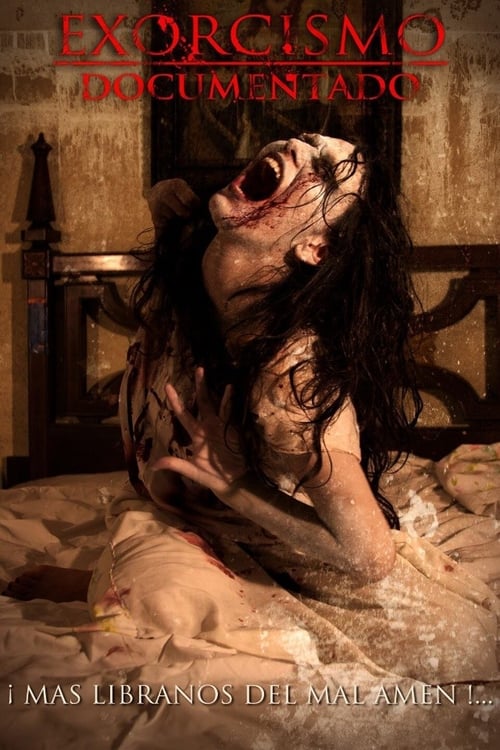
2012
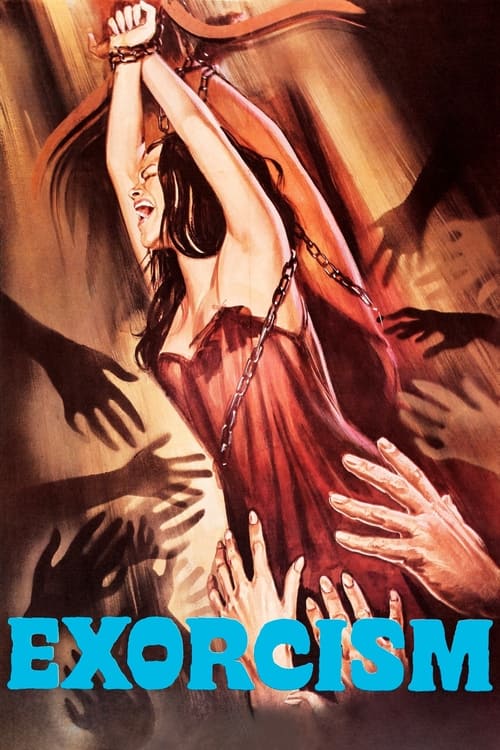
1975
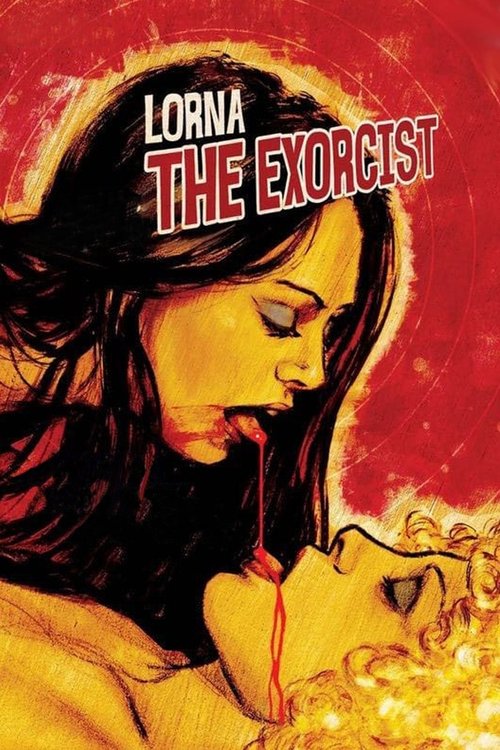
1974

1974
No reviews yet. Be the first to share your thoughts on this movie!
Use the rating form above to leave a star rating and optional review.