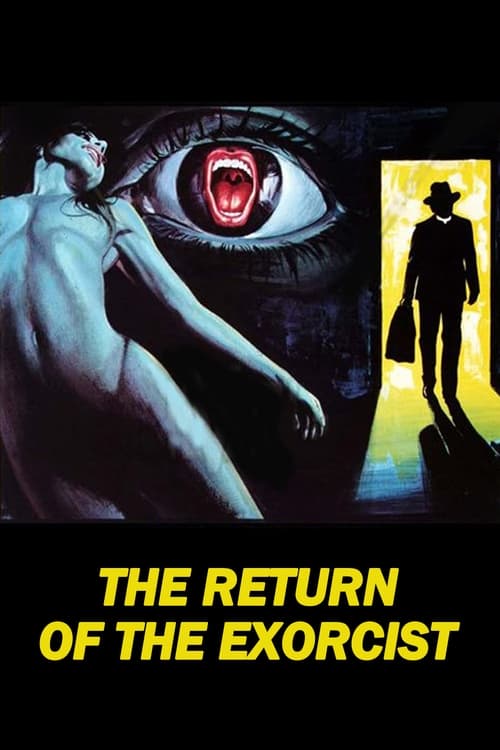
The Return of the Exorcist
1975
No user ratings available yet
Representation score: 2.7 out of 10

Representation Score
Limited
1974
RDirector
Mario Gariazzo
Runtime
92 minutes
Average Rating
No ratings yetNew Showbiz Analysis
Enter the Devil is a traditional genre piece that prioritizes atmospheric dread over complex identity politics. It relies heavily on established horror archetypes rather than intentional social subversion. The film's focus remains narrow, centering on a single protagonist's experience with a supernatural entity. This approach limits the opportunity for exploring diverse social dynamics and characters who reflect more than one aspect of diversity. Ultimately, the work functions within the conventional boundaries of 1970s horror, offering little in the way of progressive thematic development or diverse casting.
Category Breakdown
The film does not include any explicit LGBTQ+ characters or non-assuming gender matches what was assigned at birth identities. The narrative centers around a female protagonist and a supernatural object, following traditional horror themes.
A female art student drives the plot, but her role is defined by victimization and sexual torment. The story follows a pattern of female vulnerability rather than challenging gender hierarchies.
There is no evidence of a diverse or non-Anglo-Saxon majority cast. The film likely reflects the homogeneous casting standards typical of 1970s Italian horror productions.
Religious iconography, specifically a crucifixion sculpture, serves as a central plot device. The film uses these symbols as sources of horror rather than as pillars of morality.
The narrative provides no evidence of characters with visible or invisible disabilities.
Present on Screen
Limited or Absent
Official Synopsis
After a female art student purchases a life-size wooden sculpture of a crucifixion from an abandoned church, she has a vision of herself being nailed to a cross and soon becomes sexually tormented by the sculpture when it comes to life.
1975

1969

1973
1961
1972
1970
1975

1991
No reviews yet. Be the first to share your thoughts on this movie!
Use the rating form above to leave a star rating and optional review.