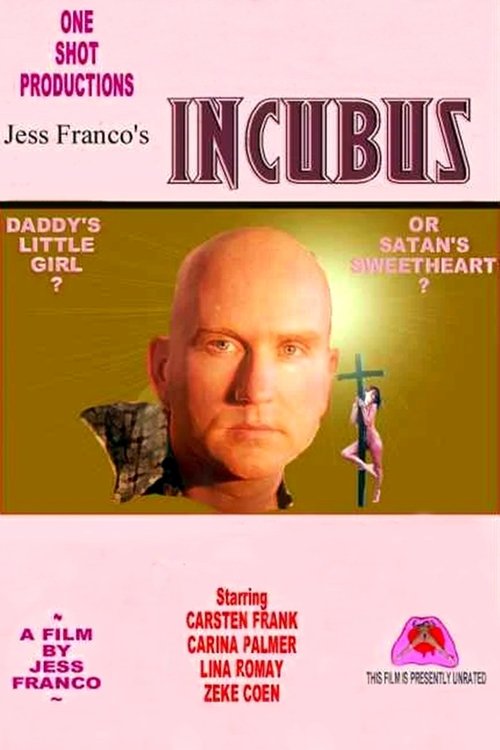
Incubus
2002
No user ratings available yet
Representation score: 2.5 out of 10
Representation Score
Fair
1974
RDirector
Jesús Franco
Runtime
98 minutes
Average Rating
No ratings yetNew Showbiz Analysis
Jesús Franco’s work challenges traditional social hierarchies through transgressive, non-linear storytelling. The film places female sexuality and psychological fragmentation at the center of the narrative, disrupting patriarchal structures. However, the film remains limited by the demographic constraints of its era. It lacks meaningful racial, ethnic, or LGBTQ+ representation, staying rooted in a Eurocentric framework. Ultimately, the film's strength lies in its moral relativism and gendered power shifts, even as it uses psychological distress primarily as a genre device.
Category Breakdown
The film doesn't include explicit LGBTQ+ characters or storylines. The narrative centers on supernatural and erotic themes without exploring non-straight relationships.
Lorna disrupts traditional gender roles by emphasizing female empowerment through possession. The story shifts from male-dominated action to a female-focused exploration of sexuality and autonomy.
The cast is predominantly white and Eurocentric, reflecting 1970s European horror norms. There is no significant racial blending or non-white casting.
Religious symbols serve as a stylistic element rather than a moral lesson. The film favors moral relativism over strict Christian teachings.
Psychological instability is used as a horror cliché rather than a nuanced portrayal of mental health. Possession serves as a vehicle for eroticism and plot development.
Present on Screen
Limited or Absent
Official Synopsis
Twenty years after seducing a businessman, a demonic temptress lays claim to the man's daughter.
2002
1977

1973

1977
1979
1977
1975
1977
No reviews yet. Be the first to share your thoughts on this movie!
Use the rating form above to leave a star rating and optional review.