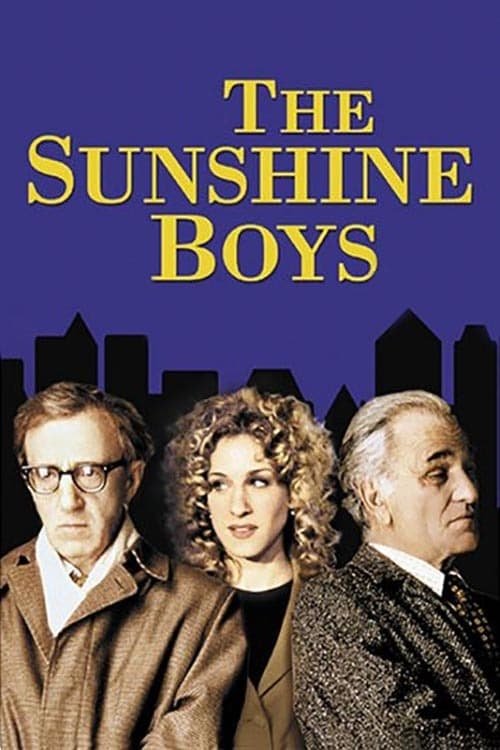
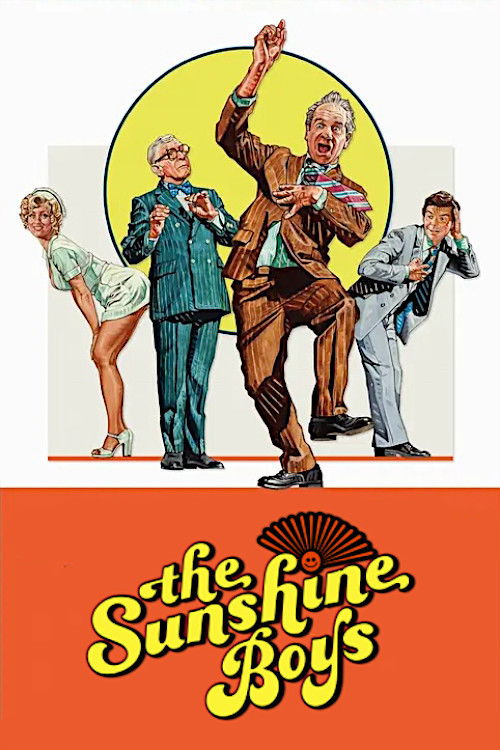
The Sunshine Boys
1996
No user ratings available yet
Representation score: 3.1 out of 10
Representation Score
Minimal
1975
PGDirector
Herbert Ross
Runtime
111 minutes
Average Rating
No ratings yetNew Showbiz Analysis
The Sunshine Boys is a character-driven film that emphasizes personal conflicts and nostalgia rather than social critique. Its narrative centers on the psychological tension between two main characters, reflecting a traditional framework. Given the film's focus on a specific era of entertainment, it mirrors the demographic limitations of that time period. It does not aim to challenge established social hierarchies or use diverse identities to shape its plot. Ultimately, the film concentrates on individual human experiences rather than broader societal issues, leading to a lack of layered representation.
Category Breakdown
The film focuses solely on the heterosexual experiences of older men and does not include any characters with LGBTQ+ identities or same-sex relationships.
The story revolves around male characters and their interactions, while female characters play minor roles and do not significantly influence the main storyline or decision-making processes.
The cast and setting are predominantly white, with no characters of color having substantial roles or influence in the film's depiction of the vaudeville era.
The film follows typical Western cultural norms, focusing on professional legacies and personal reconciliations without addressing religious or cultural critiques.
The film touches on the challenges of aging but does not explore issues related to physical or cognitive disabilities in a meaningful way.
Present on Screen
Limited or Absent
Official Synopsis
Lewis and Clark, aka The Sunshine Boys, were famous comedians during the vaudeville era, but off-stage they couldn't stand each other and haven't spoken in over 20 years of retirement. Willy Clark's nephew is the producer of a TV variety show that wants to feature a reunion of this classic duo. It is up to him to try to get the Sunshine Boys back together again.
1996
1986
2002
1982

1996

1971

1963
1958
No reviews yet. Be the first to share your thoughts on this movie!
Use the rating form above to leave a star rating and optional review.