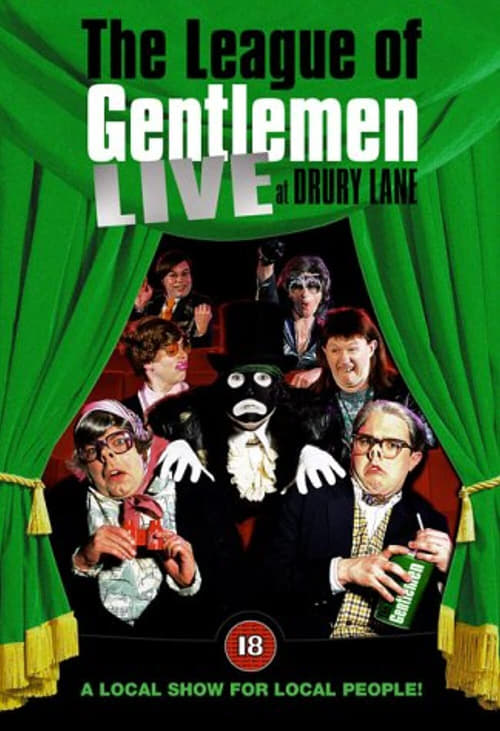
The League of Gentlemen: Live at Drury Lane
2001
No user ratings available yet
Diversity score: 5.4 out of 10

2015
Director
Steve Bendelack
Runtime
60 minutes
Average Rating
No ratings yetSynopsis
Comedy drama about the beginnings of Jimmy Perry and David Croft's writing partnership and their struggles to get Dad's Army on the screen in 1968.
Overall Score
Minimal
Category Breakdown
LGBTQ+ Representation
The film maintains a strictly heteronormative social structure. There is no presence of non-cisnormative identities or same-sex intimacy.
Gender Representation
This male-centric ensemble comedy limits female agency. Women appear in peripheral roles that reinforce 1940s domestic and social hierarchies.
Racial & Ethnic Diversity
The cast reflects the demographic homogeneity of a WWII-era English seaside town. The ensemble is predominantly white and Anglo-Saxon.
Religious & Cultural Diversity
The story emphasizes nostalgic Britishness, patriotism, and community cohesion. It celebrates traditional Western institutions rather than challenging them.
Disability Representation
Physical limitations and age are used primarily as comedic devices. There is no nuanced exploration of disability or neurodivergence.
Strengths
Areas for Improvement
AI Analysis
The film functions as a traditionalist period piece that prioritizes historical nostalgia over progressive representation. It adheres strictly to the social hierarchies of the mid-20th century, presenting a homogeneous view of British life. While the production accurately mirrors the demographic constraints of its WWII setting, it makes no attempt to subvert these norms through diverse casting or intersectional storytelling. The narrative focuses on masculine camaraderie and established cultural archetypes. Ultimately, the work serves as a celebration of wartime social cohesion and traditionalism, offering little engagement with identities outside the dominant Anglo-Saxon, heteronormative framework.
2001
1969

1963
1975

1980
1941
1964
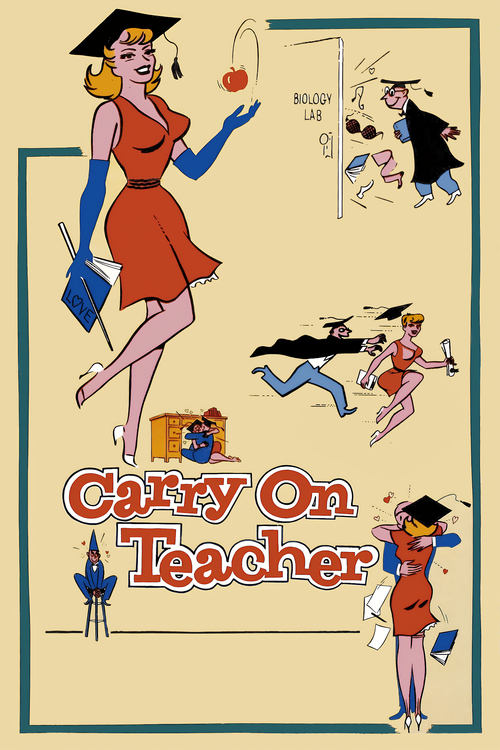
1959
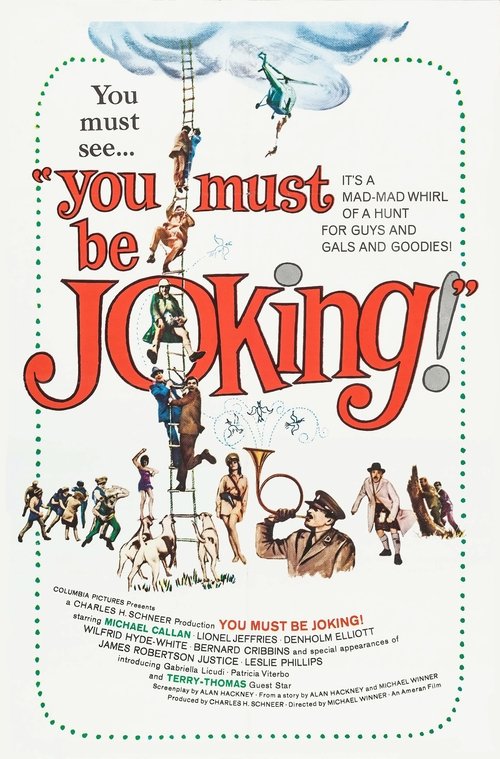
1965
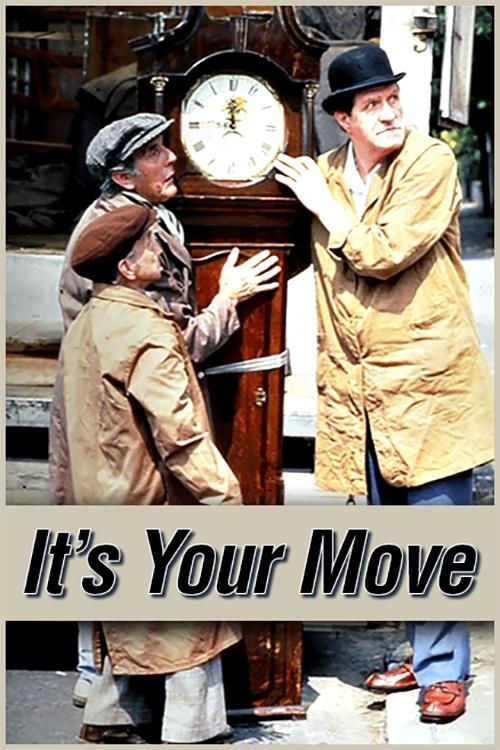
1982
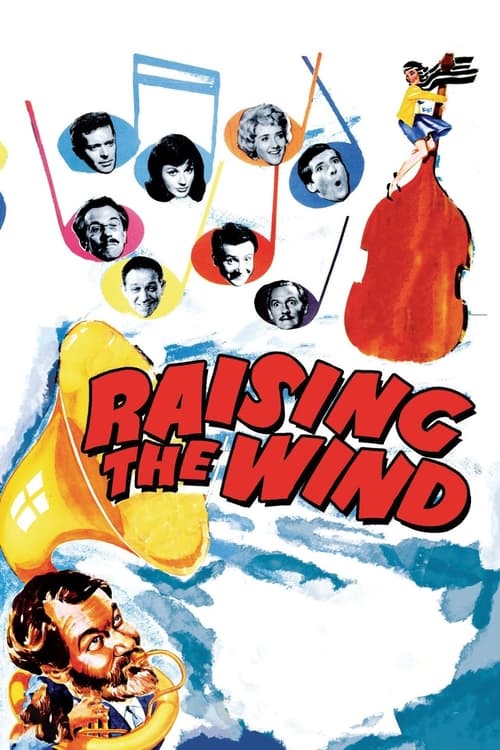
1961
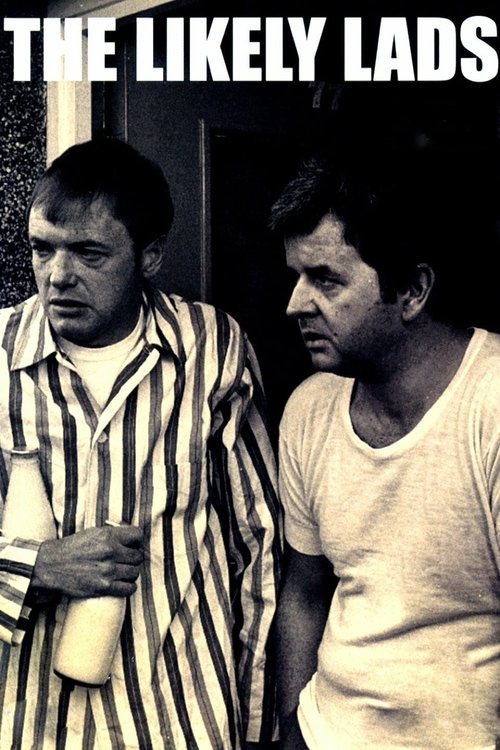
1976
No reviews yet. Be the first to share your thoughts on this movie!
Use the rating form above to leave a star rating and optional review.