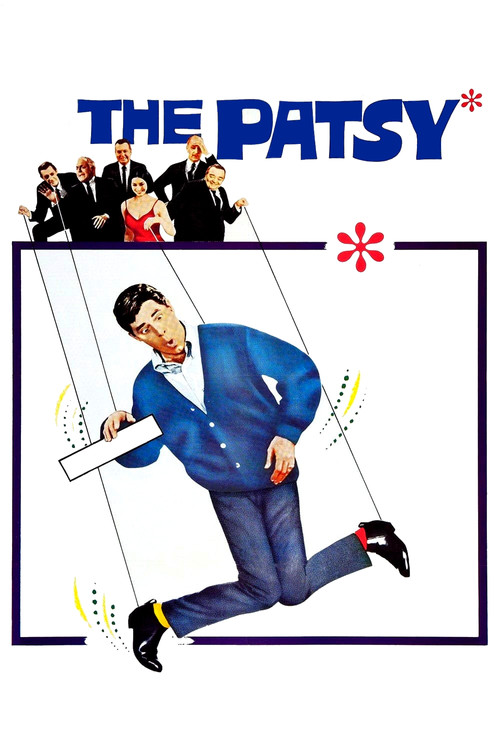
The Patsy
1964
No user ratings available yet
Representation score: 2.1 out of 10
Representation Score
Minimal
1977
PGDirector
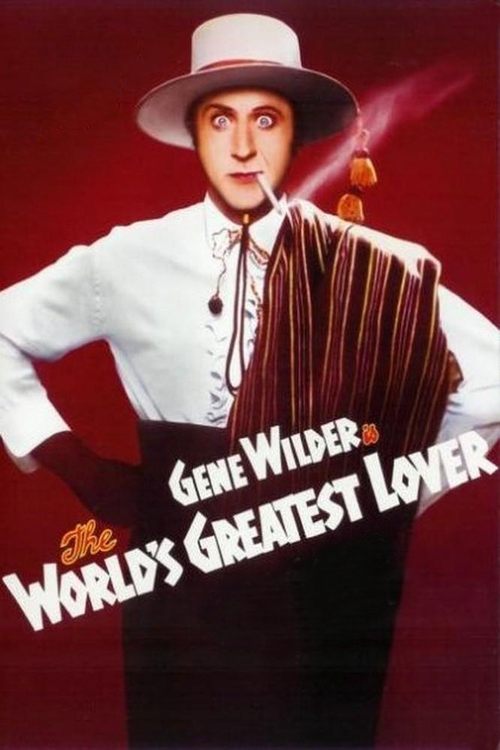
Gene Wilder
Runtime
89 minutes
Average Rating
No ratings yetNew Showbiz Analysis
Gene Wilder's directorial debut is a period farce that prioritizes genre conventions and comedic clichés over diverse storytelling. The film creates a self-contained world focused on the absurdity of courtship and romantic myths. It relies heavily on established social hierarchies and a homogeneous cast. By centering on a Eurocentric romantic ideal, the film avoids engaging with diverse identities or broader social critiques. Ultimately, the work serves as a traditional comedy that reinforces conventional romantic structures rather than challenging them through diverse representation.
Category Breakdown
The film follows a traditional path centered around a man's attempt to reclaim a conventional marriage. There are no depictions of same-sex relationships or non-binary gender identities.
The protagonist challenges traditional masculinity through his neurotic behavior, but female characters mainly serve as objects of affection rather than active drivers of the plot.
The film features a predominantly white cast set in a stylized 19th-century European environment. It lacks diverse ethnic identities and relies on a homogeneous cast.
The story focuses on romantic escapism and traditional ideals, avoiding engagement with secular critiques or the deconstruction of Western institutions.
There are no prominent depictions of physical or neurodivergent disabilities. The protagonist's neuroticism is used solely for comedic effect without exploring mental health issues in depth.
Present on Screen
Limited or Absent
Official Synopsis
When frustrated movie studio mogul Adolph Zitz announces a talent search for a romantic leading man to rival the great Rudolph Valentino, thousands of hopefuls decend upon Hollywood. Rudy Valentine, a neurotic baker from Milwaukee, knows little about romance or acting. But when his wife leaves him for the real Valentino, Rudy goes to outrageous lengths to win the role of a lifetime and win back the love of his life.
1964
1977
1986
1972
1984
1982
1992
1981
No reviews yet. Be the first to share your thoughts on this movie!
Use the rating form above to leave a star rating and optional review.