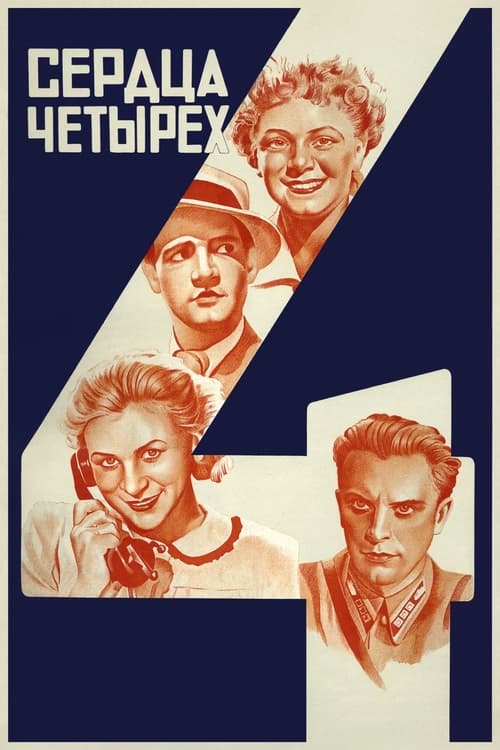
Four Hearts
1944
No user ratings available yet
Representation score: 3.2 out of 10
Representation Score
Fair
1941
Director
Ivan Pyryev
Runtime
87 minutes
Average Rating
No ratings yetNew Showbiz Analysis
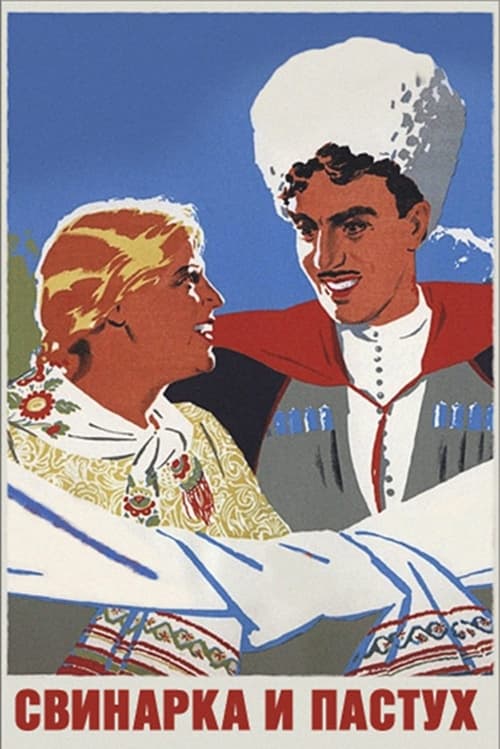
Swineherd and Shepherd is a classic Soviet musical comedy that highlights collective labor and socialist ideals. It successfully elevates the working class, especially through its celebration of rural life and communal achievements over capitalist individualism. However, the film adheres to the social norms of 1941. It relies on traditional romantic structures and a central heterosexual pairing, limiting its representation of diverse identities. While the film offers a nuanced view of gender through agricultural roles, it lacks explicit representation of diverse ethnic or LGBTQ+ identities.
Category Breakdown
The film follows a traditional romantic storyline focused on a male-female relationship. There is no depiction of LGBTQ+ identities or same-sex intimacy.
Women play significant roles in agricultural work, such as being swineherds. This focus on female labor helps to challenge purely domestic feminine stereotypes.
The film uses characters from various backgrounds as a metaphor for unity among different peoples. However, it primarily reflects an idealized, unified Soviet identity.
The film emphasizes rural labor and socialist communalism over individualist pursuits. It portrays personal happiness within the context of social duty and collective progress.
There is no mention of characters with visible or invisible disabilities in the film.
Present on Screen
Limited or Absent
Official Synopsis
They met in Moscow - a shy swineherd Glasha and shepherd Musaib. Long and difficult will be their way to love and a new meeting in this classic Soviet musical comedy.
1944

1962
1948
1967
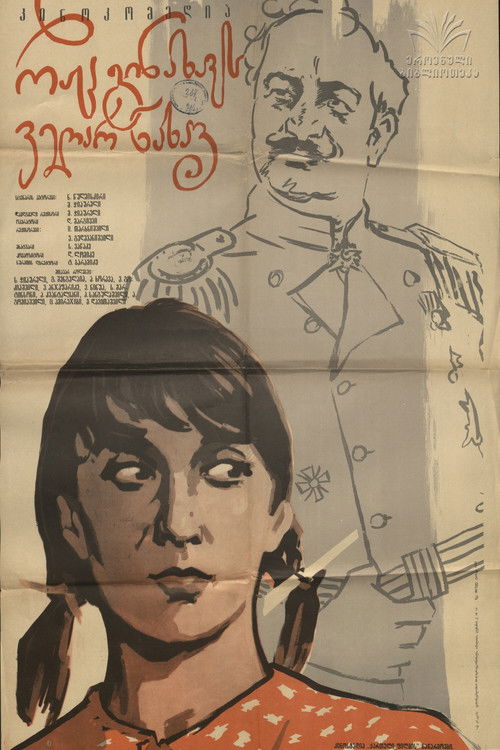
1965
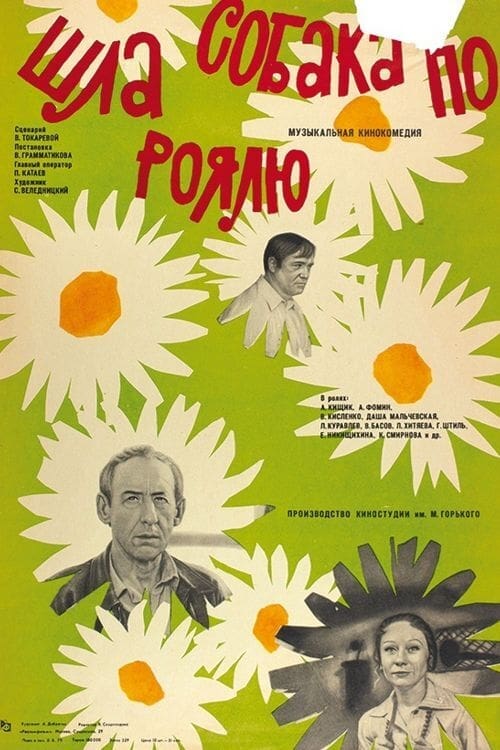
1978
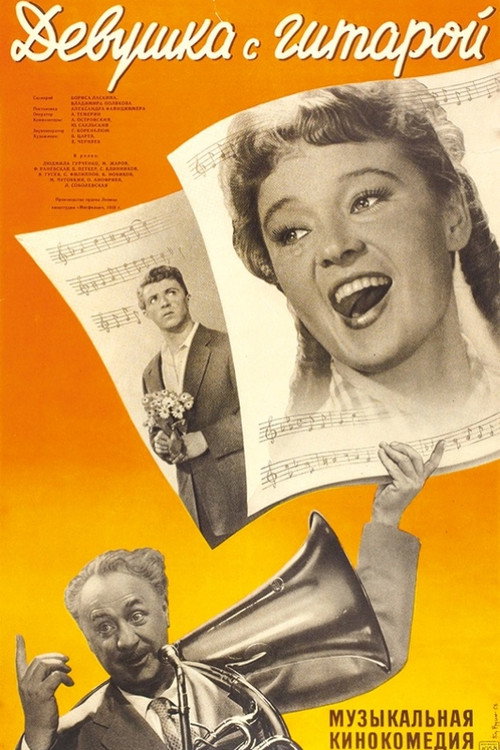
1958
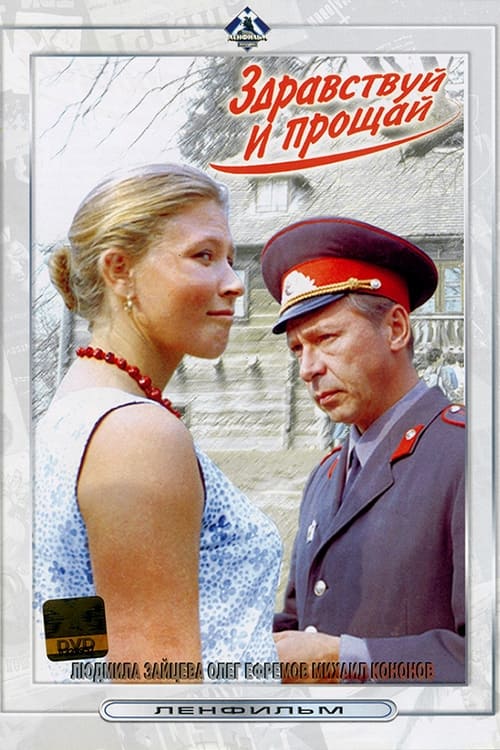
1972
No reviews yet. Be the first to share your thoughts on this movie!
Use the rating form above to leave a star rating and optional review.