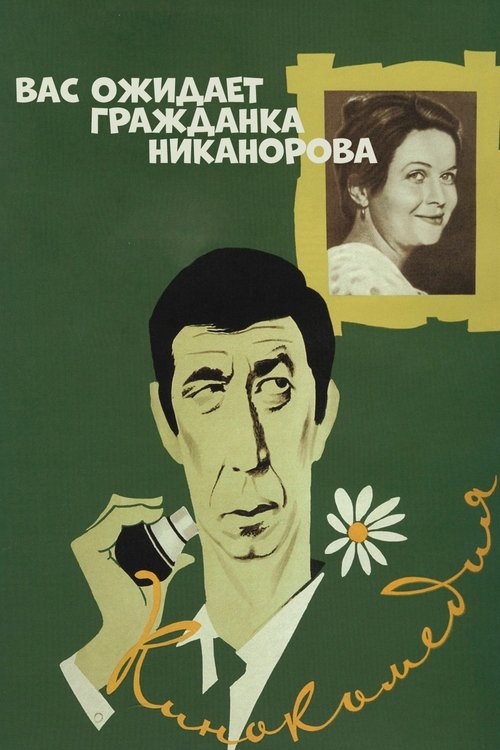
Comrade Nikanorova Awaits You
1979
No user ratings available yet
Representation score: 3.3 out of 10
Representation Score
Fair
1987
Director
Eldar Ryazanov
Runtime
134 minutes
Average Rating
No ratings yetNew Showbiz Analysis
Eldar Ryazanov’s drama provides a nuanced exploration of the tension between personal desires and institutional expectations. It successfully deconstructs the idealized family unit and social hierarchies, favoring human fallibility over rigid morality. However, the film remains limited by its era's demographic uniformity and a lack of LGBTQ+ or multi-ethnic representation. While it challenges traditional social roles, it ultimately reverts to conventional structures. Overall, the work is a character-driven study of emotional rebellion rather than a modern exploration of multi-layered diversity.
Category Breakdown
The film focuses on a heterosexual relationship between a high-ranking official and a nurse, with no representation of LGBTQ+ identities or non-cisgender narratives.
The story examines a man's emotional infidelity, critiquing patriarchal stability. However, he ultimately returns to his unloved wife, reinforcing traditional social roles.
Reflecting its Soviet-era origins, the film features a homogeneous cast without intentional multi-ethnic or diverse representation.
The narrative critiques bureaucratic and social institutions by emphasizing individual impulse over duty. It explores subjective morality through a fleeting, rebellious romance.
A physical heart condition serves as a plot device to trigger the romance, but the film does not explore disability or neurodivergence as meaningful themes.
Present on Screen
Limited or Absent
Official Synopsis
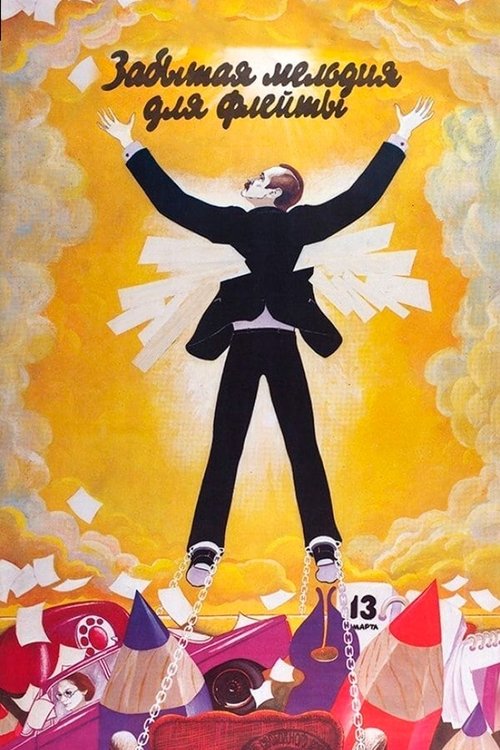
A flutist in the forgotten past, at present the husband of a “big man’s” daughter and head of one of the Chief Directorate’s sections felt unwell one day: the forty-year-old man had a pain in his heart. This unpleasant incident provided an opportunity to meet a nurse named Lida. However, their stormy love affair ended, with Filimonov returning to normal life and an unloved wife.
1979
1986

1979
1975
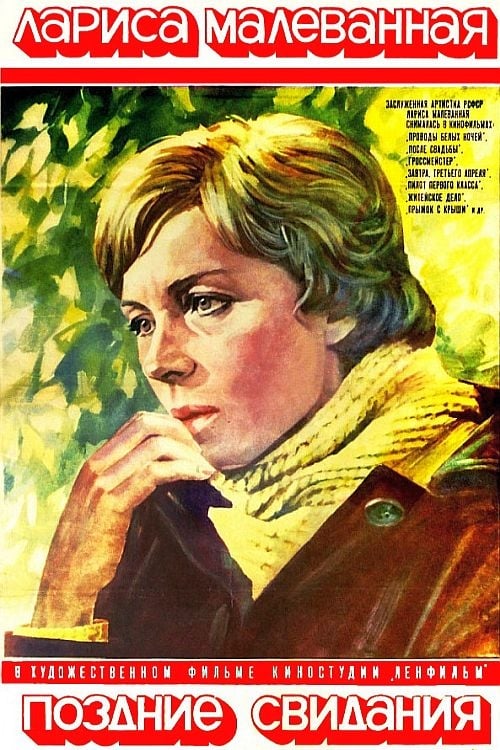
1980
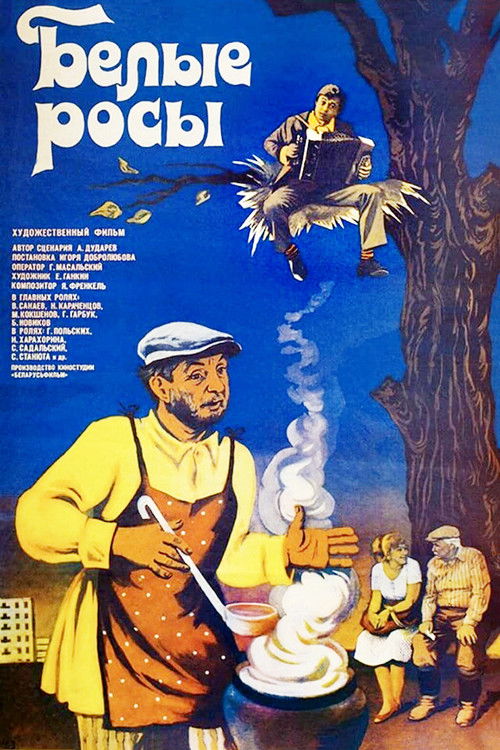
1984
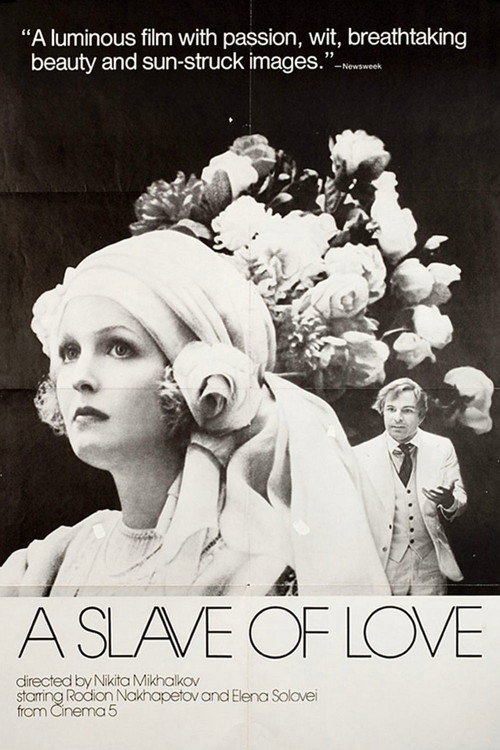
1976
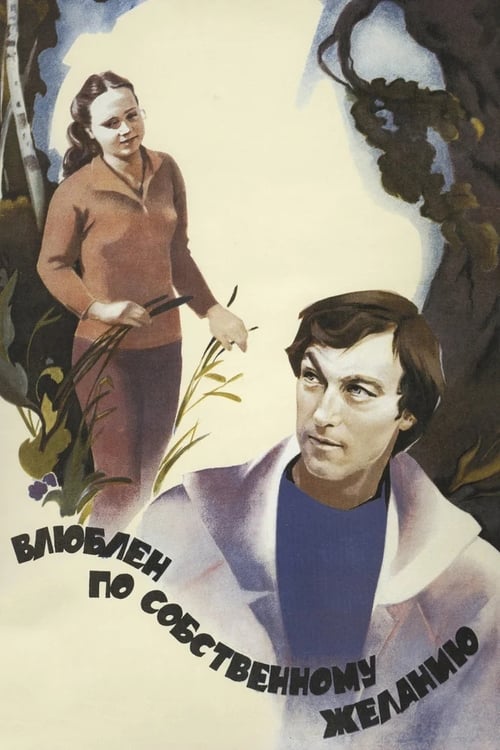
1982
No reviews yet. Be the first to share your thoughts on this movie!
Use the rating form above to leave a star rating and optional review.