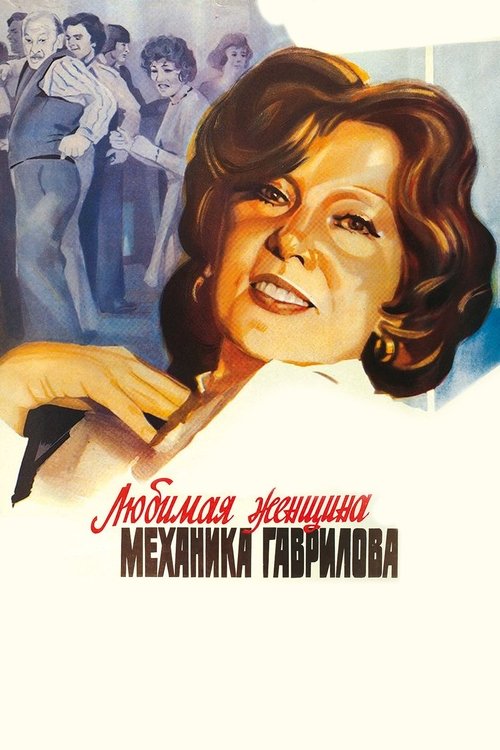
The Mechanic Gavrilov's Beloved Woman
1982
No user ratings available yet
Representation score: 4.2 out of 10
Representation Score
Limited
1978
Director
Vladimir Grammatikov
Runtime
68 minutes
Average Rating
No ratings yetNew Showbiz Analysis
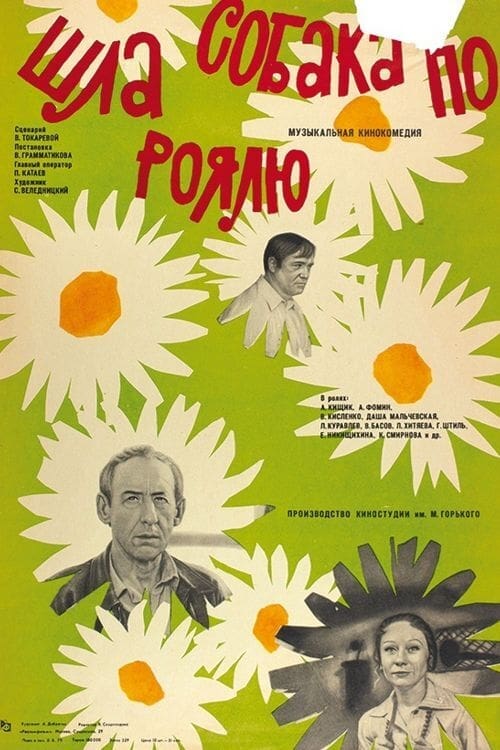
A Dog Was Walking on the Piano is a character-driven romantic comedy that centers on the emotional ability to act of its female protagonist. Tanya's journey to redefine her life through romantic choice provides a layer of personal autonomy often missing in period dramas. However, the film remains within the traditional bounds of its era, lacking multi-layered complexity and offering a narrow focus on heterosexual romance. It reflects the homogeneity of the Soviet film industry in the late 1970s. Ultimately, while the film succeeds as a lyrical study of adolescent transition, it does not engage with broader systemic critiques or diverse identity representations.
Category Breakdown
The film focuses on a traditional romantic awakening. There is no evidence of queer subtext or non-assuming gender matches what was assigned at birth identities within the narrative.
Tanya serves as the emotional center, exercising ability to act by choosing her own romantic path. Her decision to reject a stable relationship for a new passion disrupts passive female clichés.
The film reflects the demographic homogeneity typical of 1978 Soviet cinema. There is no visible evidence of a multi-ethnic cast or characters who reflect more than one aspect of diversity.
The story explores romantic idealism versus domestic stability. It prioritizes subjective emotional truth over social or familial continuity without overtly deconstructing traditional institutions.
The narrative contains no mention of characters navigating physical, neurodivergent, or mental health conditions.
Present on Screen
Limited or Absent
Official Synopsis
The 16-year-old Tanya Canareykina decided to drastically change her life. For starters she fell in love with a pilot who played the trumpet and had sad, dreaming eyes. Because of him, she stopped seeing Misha whom she’d known since early childhood. She did like Misha, but he wasn’t romantic at all…
1982
1984
1972

1962
1985

1941
1987
1958
No reviews yet. Be the first to share your thoughts on this movie!
Use the rating form above to leave a star rating and optional review.