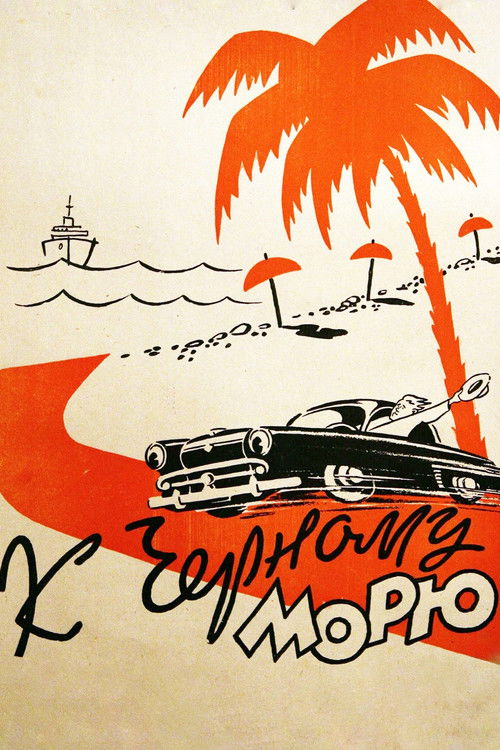
To the Black Sea
1958
No user ratings available yet
Representation score: 2.9 out of 10
Representation Score
Fair
1948
SDirector
Yuli Raizman
Runtime
87 minutes
Average Rating
No ratings yetNew Showbiz Analysis
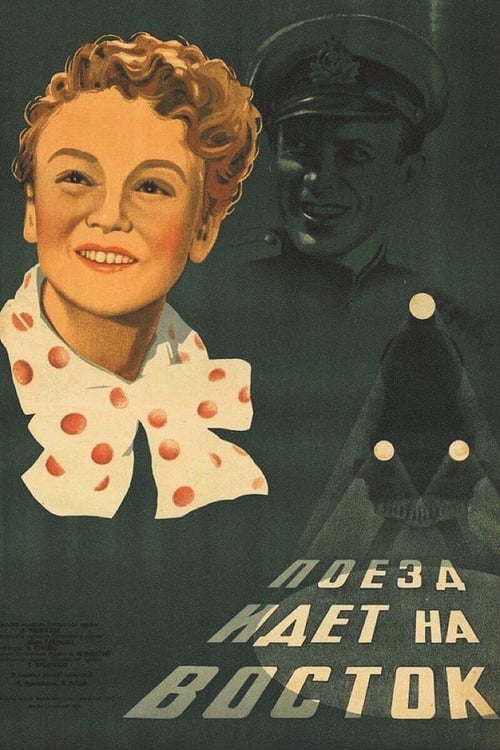
The Train Goes East serves as a transitional work in Soviet cinema, shifting towards more humanistic storytelling. While it follows traditional romantic plots, it also highlights the professional ability to act of women. The vastness of the Soviet landscape is used to hint at a broader social tapestry. Ultimately, the film successfully humanizes individuals within a larger historical backdrop, though it remains constrained by the social norms of 1948.
Category Breakdown
The film focuses on a typical romance between a female agronomist and a male naval officer. There are no characters with non-straight relationships or queer themes.
Zina Sokolova, a vibrant and assertive agronomist, plays a key role in driving the story. Her professional position and personality give her a strong influence beyond just being a passive character.
The main characters seem to be part of the Slavic majority. However, the extensive journey across Russia offers a chance to showcase a wider range of ethnic backgrounds.
The setting uses a cross-country train journey to highlight a nation rebuilding after a war. It emphasizes collective achievement and the shared effort of reconstructing society.
There are no characters with visible or hidden disabilities mentioned in the narrative.
Present on Screen
Limited or Absent
Official Synopsis
On the evening of May 9, 1945, when Moscow is noisily and cheerfully celebrating the Victory Day, a young girl agronomist Zina Sokolova and a sailor officer Lavrentyev meet in the compartment of the Moscow-Vladivostok train. The sailor takes the lively, direct character of the girl for windiness and frivolity. Sokolova also reacted frowningly and mockingly to the satellite. To get to know each other better, travelers are helped by nuisance: they are behind the train, and the rest of the way they are together, getting to know people and the life of the country along the way.
1958
1962
1941

1957
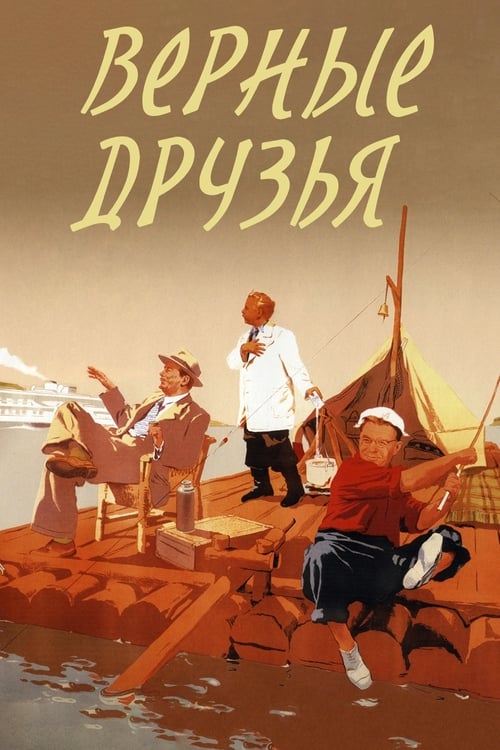
1954
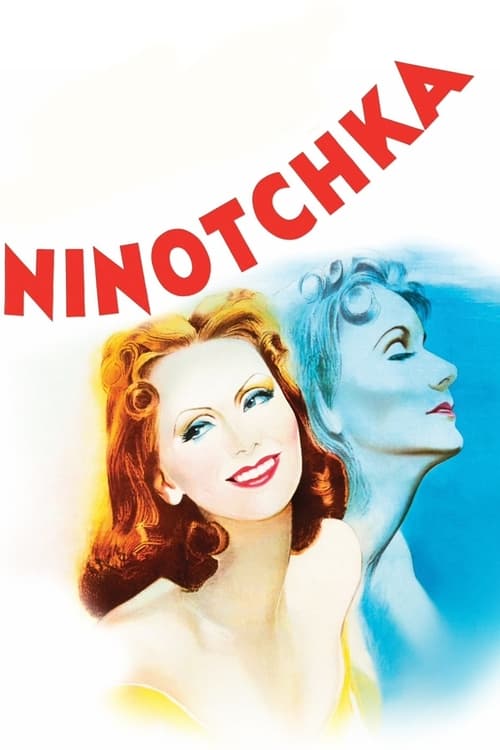
1939
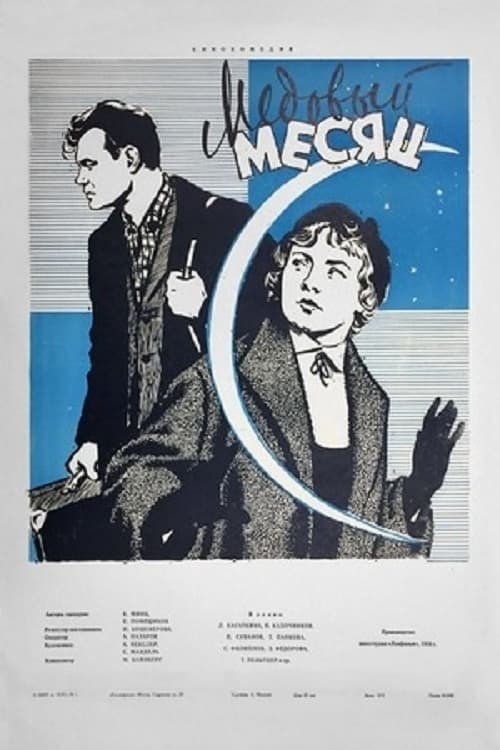
1956
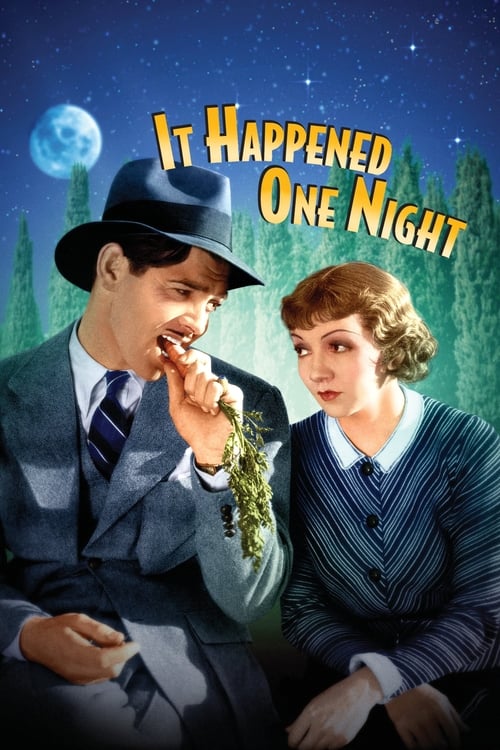
1934
No reviews yet. Be the first to share your thoughts on this movie!
Use the rating form above to leave a star rating and optional review.