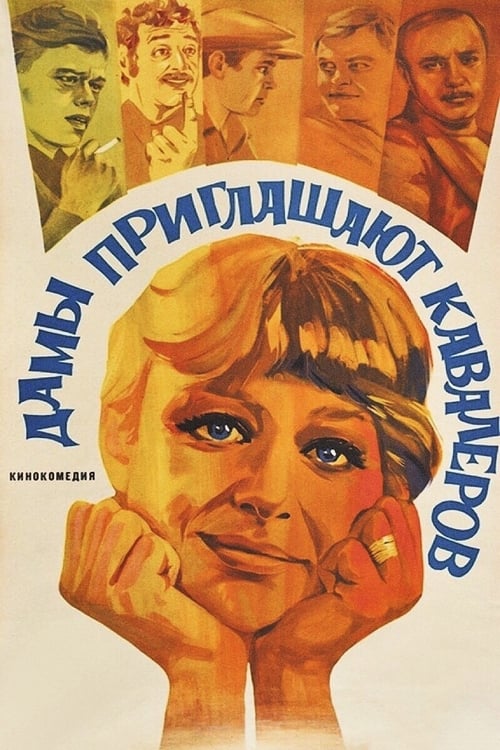
Ladies Invite Gentlemen
1981
No user ratings available yet
Representation score: 2.9 out of 10
Representation Score
Fair
1982
Director
Pyotr Todorovskiy
Runtime
79 minutes
Average Rating
No ratings yetNew Showbiz Analysis
The film operates as a character-driven romantic comedy that uses a social disruption—a fiancé failing to appear at a wedding—to propel the plot. It emphasizes the subjective emotional landscape of its protagonist, Rita, over rigid social archetypes. While the film adheres to traditional structures, it moves slightly beyond conventional domesticity by focusing on a woman's journey following a breach of romantic expectations. Ultimately, it reflects the social realities of its 1982 Soviet context, exploring personal ability to act through the lens of a failed milestone rather than through explicit systemic critique or diverse representation.
Category Breakdown
The film focuses on a traditional heterosexual relationship between a woman and her fiancé. There is no indication of queer subtext or non-straight identities in the story.
The story centers on Rita, a woman navigating a personal crisis after her wedding is disrupted. This portrayal suggests a character-driven exploration of a woman's journey beyond simple domestic clichés.
Given its Soviet-era setting, the film likely reflects the typical demographic composition of the USSR. There is no specific mention of a diverse or non-uniform cast.
The plot involves the subversion of a major social ritual through a failed wedding. This explores the instability of social institutions, though the specific cultural lens remains unspecified.
The narrative does not include any characters with visible or invisible disabilities.
Present on Screen
Limited or Absent
Official Synopsis
Story of 38-years-old Rita whose fiance didn't show up at their wedding.
1981
1986

1948
1984
1972
1987
1984
1978
No reviews yet. Be the first to share your thoughts on this movie!
Use the rating form above to leave a star rating and optional review.