Lope: The Outlaw
2010
No user ratings available yet
Representation score: 1.2 out of 10
Representation Score
Limited
1966
ApprovedDirector
Luciano Salce
Runtime
95 minutes
Average Rating
No ratings yetNew Showbiz Analysis
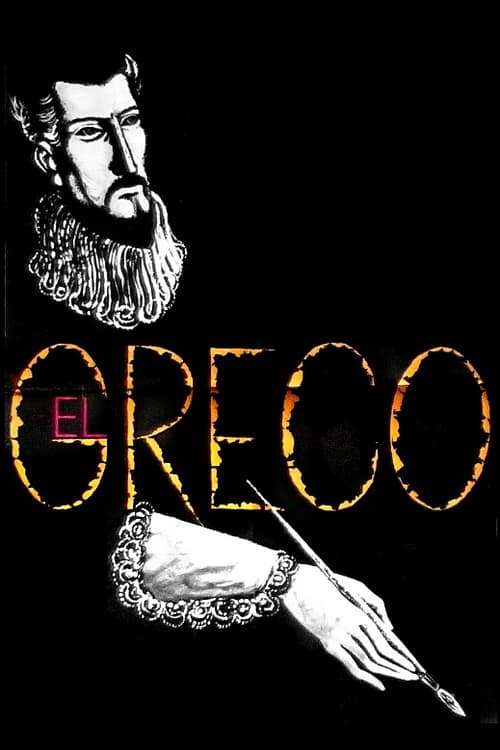
El Greco serves as a traditional historical biography that critiques institutional authority. Instead of focusing on contemporary identity issues, the film centers on the tension between personal expression and rigid societal structures. The protagonist's status as a Greek outsider offers a unique viewpoint on cultural conflicts. This perspective allows the film to question the absolute power of the era's dominant religious and social institutions. While the film successfully portrays the individual as a systemic outsider, it remains confined by the patriarchal structures of its 16th-century setting.
Category Breakdown
The film does not feature any LGBTQ+ characters or non-straight relationships. The love story focuses solely on the protagonist's relationship with a female character.
Women are shown in traditional roles with limited influence. The story is centered around male-dominated environments like art schools and religious organizations.
The film showcases a Greek immigrant's journey through various Mediterranean cultures. This portrayal breaks down the notion of a uniform European identity.
The story examines the conflict between artistic freedom and religious strictness. It depicts the Inquisition as a restrictive force against personal creativity.
There are no significant portrayals of physical or neurological disabilities. Such traits do not play a central role in the characters' development.
Present on Screen
Limited or Absent
Official Synopsis
Greek painter Domenikos Theotokopoulos (Mel Ferrer) woos a beauty (Rosanna Schiaffino) and faces the Inquisition in 16th-century Spain.
2010
1963
1941
1972
1971
1986
1948
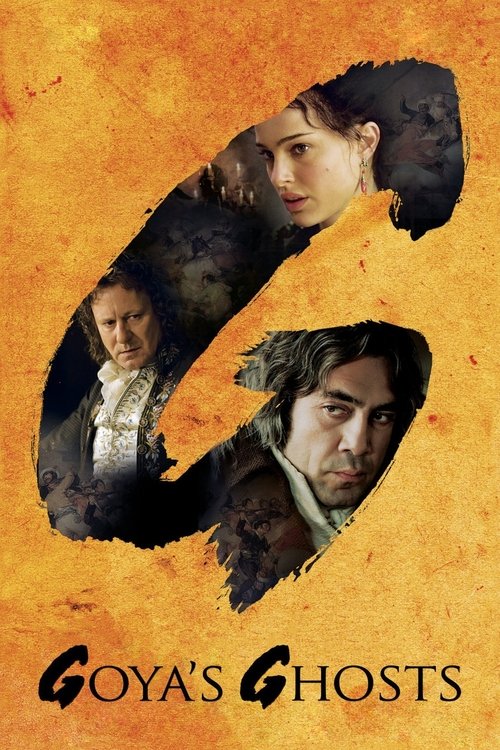
2006
No reviews yet. Be the first to share your thoughts on this movie!
Use the rating form above to leave a star rating and optional review.