
The Wolf and His Mate
1918
No user ratings available yet
Representation score: 1.3 out of 10
Representation Score
Fair
1934
Director
Dimitri Kirsanoff
Runtime
83 minutes
Average Rating
No ratings yetNew Showbiz Analysis
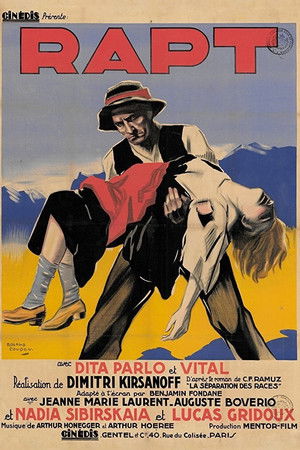
The Kidnapping is set in a rural environment and adheres to traditional social structures of the time. Though it lacks modern characters who reflect more than one aspect of diversity, it avoids being a straightforward melodrama through its character dynamics. The film's strength lies in its subversion of character roles. Elsi transforms from a victim to a strategist, and Mânu, despite being framed by disability clichés, is a pivotal character in the plot. The complexity of the film comes from its moral ambiguity and the use of social outcasts to shift power dynamics, even if the cast remains homogeneous.
Category Breakdown
The film focuses on a traditional romantic relationship between Hans and Elsi. There are no representations of LGBTQ+ identities or critiques of the assumption that everyone is straight or cisgender.
Elsi starts as a kidnapped victim but later becomes a strategist of vengeance, challenging the helpless damsel cliché. She uses Mânu as a tool for revenge, showing she has control over her situation.
The story takes place in a rural area with no indication of a diverse cast. There is no subversion of ethnic hierarchies.
The film explores complex moral themes through cycles of anger and vengeance, avoiding simplistic good-versus-evil narratives.
Mânu is portrayed using the outdated cliché of the 'village idiot,' but he plays a key role in driving the plot and is not a passive character.
Present on Screen
Limited or Absent
Official Synopsis
Hans has killed the dog of Firmin, a shepherd. Wild with rage, Firmin kidnaps Elsi, Hans' fiancée and locks her up at his home. Hans, a peddler, vows to find the missing girl. This is what he does and he manages, with the help of Mânu, the village idiot, to give Elsi a letter. On seeing her, the changeling falls in love at first sight with the young woman. Elsi soon realizes that Mânu can become her instrument of vengeance.
1918
1938

1954

1967
1913
1937
1908

1936
No reviews yet. Be the first to share your thoughts on this movie!
Use the rating form above to leave a star rating and optional review.