The Mountaineer's Honor
1909
No user ratings available yet
Representation score: 0.7 out of 10
Representation Score
Minimal
1918
PassedDirector
Edward LeSaint
Runtime
50 minutes
Average Rating
No ratings yetNew Showbiz Analysis
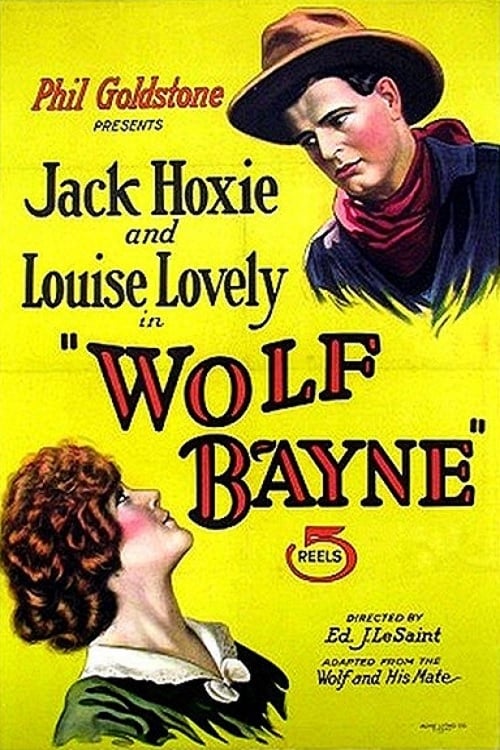
The Wolf and His Mate is a product of its time, functioning as a typical frontier drama that relies on established social hierarchies. The narrative focuses on property disputes and traditional moral resolutions, rather than exploring diverse perspectives. Gender dynamics are one-sided, with the male lead using physical and legal dominance to influence the lives of female characters. The film presents a narrow view of the frontier through a homogeneous lens. Ultimately, the film reflects 1918 cinematic norms, prioritizing conventional family structures and Anglo-centric storytelling over demographic breadth.
Category Breakdown
The film does not include any queer narratives or non-straight identities. The story revolves around traditional marriage and family structures.
Gender roles are strictly defined, with the male character exerting control through force. Bess Nolan demonstrates ability to act by seeking help, but her role remains focused on protecting her honor and her child.
The frontier setting features a homogeneous cast with no non-white characters. The narrative follows early 20th-century conventions, emphasizing white protagonists.
The story upholds traditional Western values concerning property rights and the nuclear family. It operates within a moral framework centered on individual responsibility and social propriety.
There are no characters identified as having visible or invisible disabilities.
Present on Screen
Limited or Absent
Official Synopsis
When Donald Bayne, known in the North as The Wolf, loses his cabin to Steve Nolan in a backwoods court, he threatens and thrashes the new owner, then leaves him to tend to his traps. Upon his return, he discovers that Nolan has been killed in a shooting accident and that Bess Nolan, his niece, has moved into the cabin with Rose, her sister's child. Unable to evict her, The Wolf camps out next to the cabin, but soon realizes that this act has compromised her honor in the town. To correct the situation, he forces her into marriage, but she maintains a safe distance from him. When Bess's sister and "Snaky" Burns, her brother-in-law, kidnap Rose for use in their criminal activities, Bess implores Donald to intervene.
1909
1920
1917
1908
1926
1912
1934
1918
No reviews yet. Be the first to share your thoughts on this movie!
Use the rating form above to leave a star rating and optional review.