
A Hen in the Wind
1948
No user ratings available yet
Representation score: 6.0 out of 10
Representation Score
Good
2013
Director
Junichi Inoue
Runtime
98 minutes
Average Rating
No ratings yetNew Showbiz Analysis
The War and a Woman is a gritty realist drama that prioritizes the deconstruction of individual morality over progressive social frameworks. It succeeds in avoiding nationalist glorification, instead offering a somber critique of wartime conduct and the psychological scars of conflict. However, the film lacks intentional characters who reflect more than one aspect of diversity. While it provides depth to its female lead, it often relies on traditional dynamics and uses physical disability as a narrative device for villainy rather than nuanced character study.
Category Breakdown
The film centers on a heterosexual relationship between a writer and a former sex worker. It explores intimacy and trauma but does not include non-binary or queer perspectives.
The narrative looks at gendered power dynamics and female psychological depth. While it depicts the male gaze and lust, it reflects wartime desperation rather than challenging traditional hierarchies.
Set in WWII-era Japan, the cast is culturally homogeneous. The story focuses on the Japanese experience and does not use diverse casting to challenge the era's demographic realities.
The film avoids patriotic clichés by focusing on moral decay and systemic failure. It critiques the 'heroic' soldier archetype by highlighting unconscionable acts committed during the war.
A character returns with one arm, using his physical loss as a catalyst for predatory behavior. This portrayal risks using disability as a tool for antagonism rather than exploring the character's actions and motivations.
Present on Screen
Limited or Absent
Official Synopsis
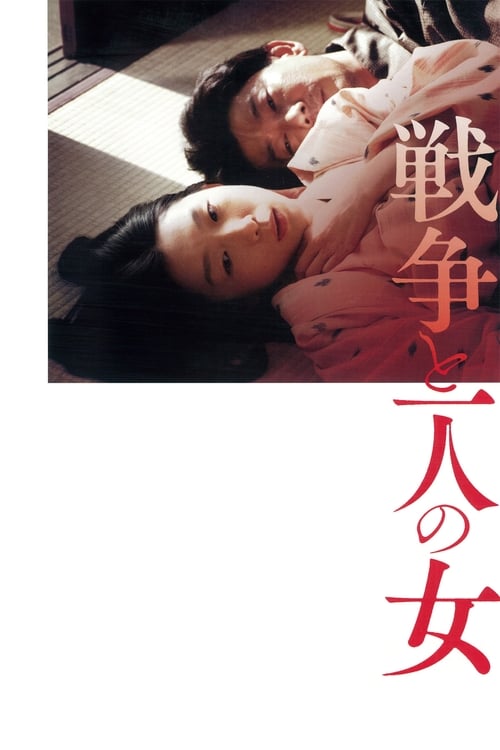
Set towards the end of World War II, Nomura (Masatoshi Nagase) is a writer who is in despair. A woman works in bar and is a former prostitute. Many years ago, her father sold her to a brothel due to the family's severe financial hardships. The writer and the woman then agree to live as husband and wife until the war ends. The woman doesn't feel sexual pleasures due to her past, while the man lusts for the woman's body. Meanwhile, Ohira (Jun Murakami) fought for Japan in China. He participated in unconscionable acts against civilians in the name of war. He returns to Japan with only one arm. Ohira then begins to prey on innocent women.
1948

1956
1967
1959
1980
2012
1948
1968
No reviews yet. Be the first to share your thoughts on this movie!
Use the rating form above to leave a star rating and optional review.