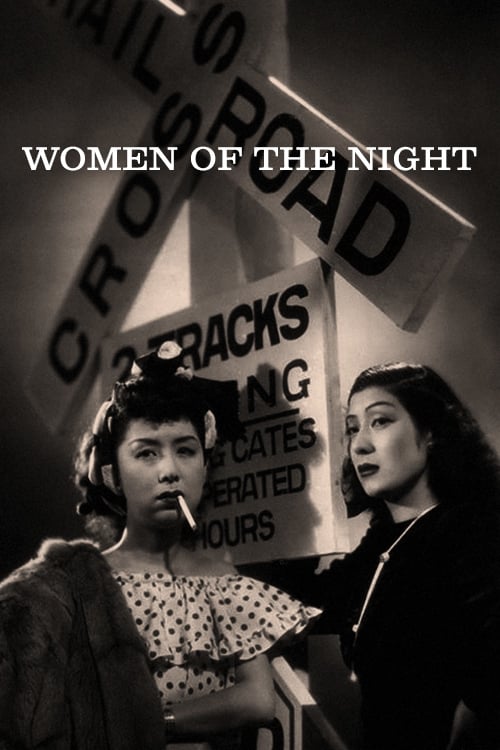
Women of the Night
1948
No user ratings available yet
Representation score: 5.5 out of 10
Representation Score
Fair
1948
Director
Keisuke Kinoshita
Runtime
67 minutes
Average Rating
No ratings yetNew Showbiz Analysis
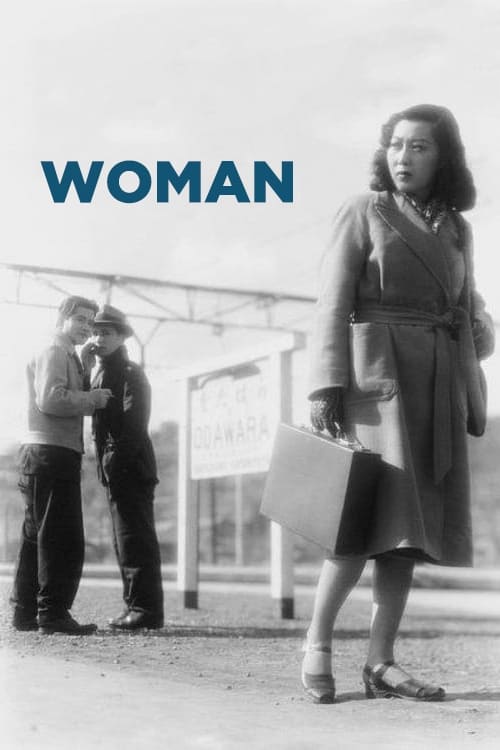
Keisuke Kinoshita’s *Woman* is a compelling study of post-war survival that centers on character's ability to drive the story. By focusing on a female protagonist navigating economic precarity, the film moves beyond simple domestic clichés to explore complex moral landscapes. The film excels in its subversion of traditional gender roles, presenting a woman who serves as the story's moral compass. While it lacks diversity in terms of LGBTQ+ or multi-ethnic representation, it provides a deep, humanistic look at a nation in transition. Ultimately, the film’s value lies in its focus on the individual’s struggle against a fractured social order, making it a significant piece of socially conscious cinema.
Category Breakdown
The film does not include any explicit LGBTQ+ narratives or non-straight relationships. The relationship between Toshiko and Tadashi follows a traditional romantic storyline.
Toshiko is portrayed as a proactive working woman rather than a passive domestic figure. Her role as a chorus girl and her rejection of criminal lifestyles highlight her moral and intellectual independence.
The production depicts a culturally homogeneous Japanese society typical of its 1948 setting. It offers a valuable perspective on national identity without blending different racial backgrounds.
The narrative explores moral relativism and systemic instability in post-war Japan. It focuses on the individual's struggle against economic hardships and corrupting social forces, moving away from traditional hierarchies.
There is no documented evidence regarding the portrayal of physical or neurodivergent disabilities in this work.
Present on Screen
Limited or Absent
Official Synopsis
Like many women after the war, Toshiko works as a chorus girl; her boyfriend Tadashi wishes she'd join him more frequently, but she detests his criminal involvement.
1948

1956
1948

1955

1961
1970
1946

1959
No reviews yet. Be the first to share your thoughts on this movie!
Use the rating form above to leave a star rating and optional review.