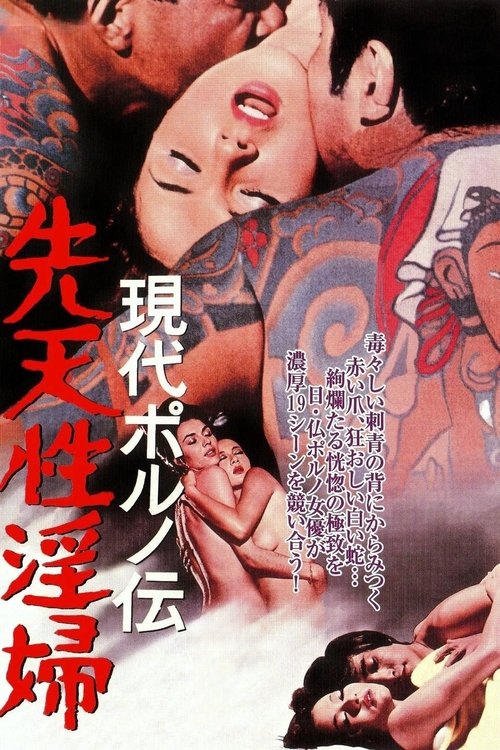
The Insatiable
1971
No user ratings available yet
Representation score: 5.0 out of 10
Representation Score
Limited
1980
Director
Mamoru Watanabe
Runtime
63 minutes
Average Rating
No ratings yetNew Showbiz Analysis
The film presents a multi-generational saga defined by systemic trauma and the cyclical nature of exploitation. It uses a lineage of women to trace the impact of wartime upheaval and patriarchal aggression across generations. While the film disrupts hierarchies by centering female endurance, it remains rooted in the grim realities of systemic victimization. The narrative avoids sanitized views of social structures, instead framing authority as a destructive force. Ultimately, the work lacks proactive, multi-layered empowerment found in contemporary cinema, focusing instead on the consequences of forced encounters and fractured lineages.
Category Breakdown
The film focuses on heterosexual and cisgender relationships and power dynamics. It does not include non-cisgender identities or narratives that critique traditional gender roles.
The narrative centers the female experience through a lens of struggle and survival. Women face extreme patriarchal violence, which may rely on familiar formulas of female suffering.
This is a localized cultural study of Japan. It provides a focused look at Japanese social structures without engaging in modern multi-layered casting.
The film challenges traditional moral storytelling by embracing tragic fatalism. It portrays the military and family units as sources of trauma rather than stability.
There is no mention of characters with visible or invisible disabilities within the narrative.
Present on Screen
Limited or Absent
Official Synopsis
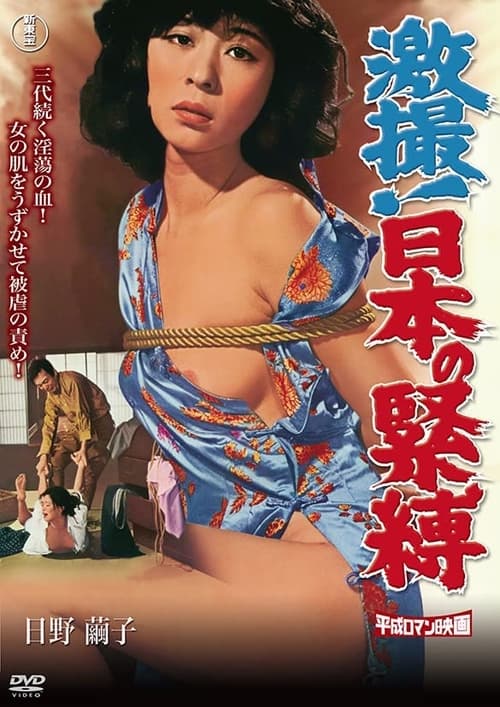
Separated from her lover Kenji after he is sent off to war, Sanae is raped by general Takada and gives birth to a girl, Junko, who grows up to become a prostitute. One day, Kenji accidentally meets Junko and confuses her with Sanae, prompting Junko to tell him of her mother's fate. They make love, leaving Junko pregnant with his child - Hiroko, who goes on to have a chance encounter with Takada at a hostess club...
1971

1956

1981
1952
1965
1967

1977
1964
No reviews yet. Be the first to share your thoughts on this movie!
Use the rating form above to leave a star rating and optional review.