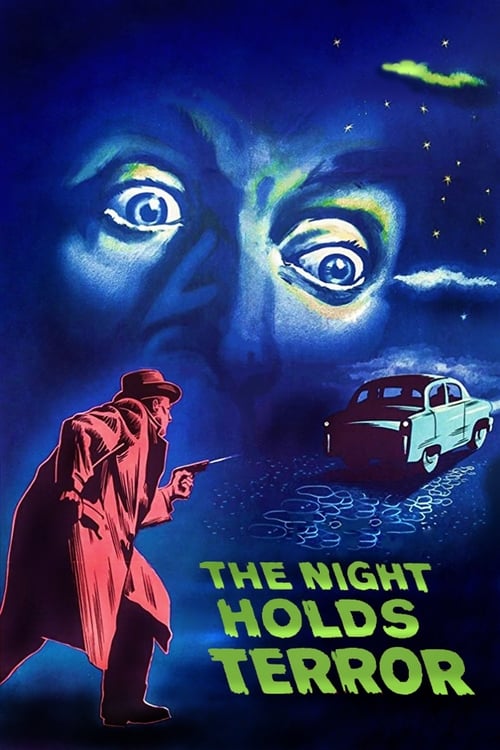
The Night Holds Terror
1955
No user ratings available yet
Representation score: 1.4 out of 10

Representation Score
Minimal
1958
NRDirector
Andrew L. Stone
Runtime
96 minutes
Average Rating
No ratings yetNew Showbiz Analysis
Cry Terror! is a classic mid-century thriller that emphasizes procedural suspense over exploring identity. The film reinforces established social hierarchies, particularly regarding gender and race, which were typical for 1958 cinema. Male figures, especially those in law enforcement and the antagonist, hold the majority of ability to act, while women and people of color have passive roles. The narrative validates institutional authority without challenging it. Ultimately, the film does not engage with LGBTQ+ themes, disability, or ethnic complexity, focusing instead on a conventional Western-centric drama.
Category Breakdown
The film follows a traditional storyline typical of 1958 cinema, with no representation of LGBTQ+ identities or non-cisgender gender identities.
The story emphasizes masculine authority, with female characters mostly serving as hostages or secondary figures without a significant role in driving the story.
The cast is overwhelmingly white, reflecting the homogeneity of 1950s cinema. Characters of color are notably absent, and there are no significant roles for people of diverse racial backgrounds.
The narrative upholds the status quo, validating existing authorities and social structures without critiquing religious or cultural norms.
There are no characters with visible or invisible disabilities, and the film focuses solely on the physical tension of the hostage situation.
Present on Screen
Limited or Absent
Official Synopsis
A mad bomber holds an innocent family hostage.
1955

1955
1939
1995
1949
1974
1961
1948
No reviews yet. Be the first to share your thoughts on this movie!
Use the rating form above to leave a star rating and optional review.