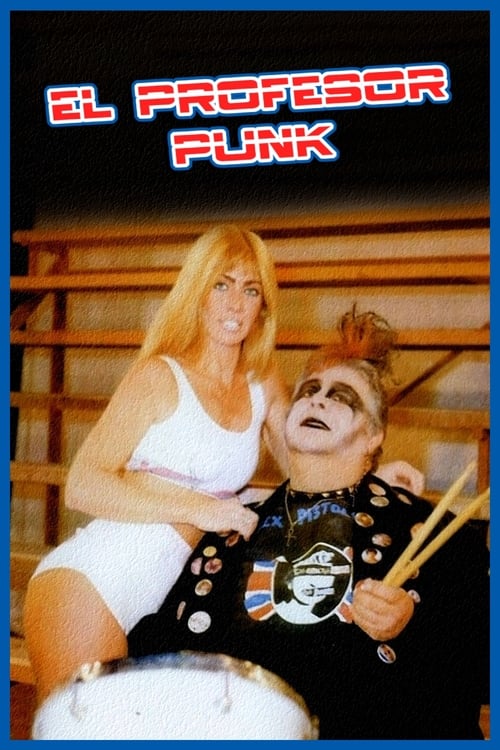
El profesor Punk
1988
No user ratings available yet
Representation score: 2.5 out of 10

Representation Score
Limited
1987
Director
Manuel Summers
Runtime
97 minutes
Average Rating
No ratings yetNew Showbiz Analysis
¡Sufre, mamón! is a period-specific musical comedy that leans heavily on the clichés of adolescent rebellion. While it offers a critique of religious institutional authority, it remains tethered to the social hierarchies of its time. The film’s progressive edge is found in its depiction of youth autonomy, but this is offset by a reliance on conventional romantic dynamics and a lack of diverse representation in terms of race and identity.
Category Breakdown
The film adheres to typical 1980s teen romance clichés, focusing on competition between male characters for a female love interest.
Patty serves as a central plot catalyst, yet her ability to act remains tied to the romantic interests of the men. The story relies on standard masculine competition for social status.
The story reflects the homogeneous demographics of 1980s Spain, focusing on local youth culture and musical rivalry without showing a multi-ethnic cast.
The film presents musical expression as a rebellion against strict institutional discipline, challenging authority through the lens of student rebellion.
The narrative does not include characters with visible or invisible disabilities, nor does it address neurodivergence or physical disabilities.
Present on Screen
Limited or Absent
Official Synopsis
This biopic tells how the pop-rock group Hombres G was formed amidst rivalries, pranks and love affairs, with the musicians themselves as the protagonists.
1988

2005

1967
2004
1968

1979

2024
1991
No reviews yet. Be the first to share your thoughts on this movie!
Use the rating form above to leave a star rating and optional review.