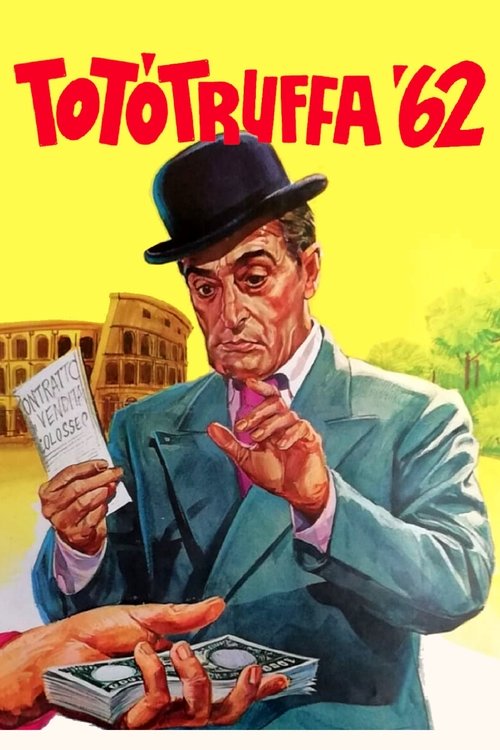
Totòtruffa '62
1961
No user ratings available yet
Representation score: 1.1 out of 10
Representation Score
Minimal
1959
Director
Camillo Mastrocinque
Runtime
105 minutes
Average Rating
No ratings yetNew Showbiz Analysis
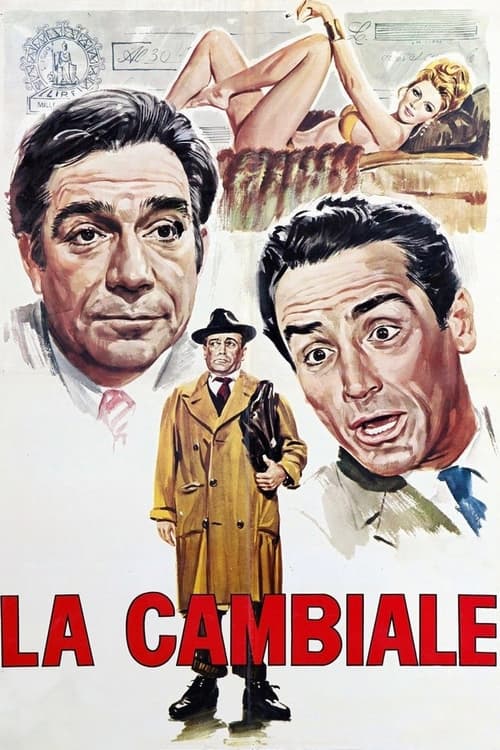
La cambiale is a traditional situational comedy set in the social structures of late 1950s Italy. The plot revolves around the 'small scammer' cliché, focusing on the Posalaquaglia cousins and their financial deceptions. The film relies on established character types and localized conflicts, prioritizing comedic irony and situational consequences over exploring diverse identities or progressive social commentary. Ultimately, the work reflects the conventional storytelling patterns of its time, emphasizing male-driven schemes and domestic social maneuvering.
Category Breakdown
The film doesn't include any characters with non-straight sexual orientations or gender identities. It follows the typical social norms of 1959 Italian cinema.
The story focuses on male characters and a male financier. There is no indication of challenging traditional gender roles or featuring female-led storylines.
This is a localized Italian production centered on domestic social classes. The cast appears uniform with no indication of racial diversity.
The story explores economic themes such as financial deception and instability. However, it operates through classic comedic irony rather than a deeper critique of social systems.
There is no mention of characters with visible or invisible disabilities within the narrative context.
Present on Screen
Limited or Absent
Official Synopsis
The Posalaquaglia cousins are two small scammers and make a living of expedients: Dante receives as recognition for Tommaso a bill of one hundred thousand lire from the famous financier Bruscatelli, who ends up in prison immediately afterwards.
1961
1976
1960

1980
1956
1956
1954
1955
No reviews yet. Be the first to share your thoughts on this movie!
Use the rating form above to leave a star rating and optional review.