
Conquest of Cochise
1953
No user ratings available yet
Representation score: 0.9 out of 10
Representation Score
Minimal
1954
NRDirector
William Castle
Runtime
71 minutes
Average Rating
No ratings yetNew Showbiz Analysis
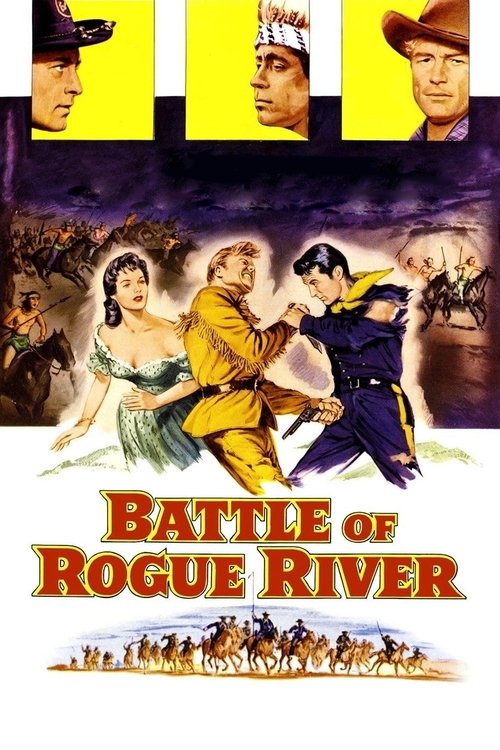
Battle of Rogue River is a conventional mid-century Western that prioritizes traditional hierarchies of military authority and Western expansionism. The narrative framework focuses on establishing order in Oregon through colonial administration. The film reflects the social and cinematic constraints of 1954, lacking multi-layered complexity. It relies on established genre clichés rather than challenging them, resulting in a narrow perspective on the frontier experience. Ultimately, the production follows the era's standard approach to the Western, emphasizing institutional stability over diverse or multifaceted character studies.
Category Breakdown
The film does not include any non-cisgender identities or same-sex relationships, sticking to the straight-centered standards typical of 1954 cinema.
Male military figures like Major Archer hold the majority of authority and leadership roles, reinforcing traditional gender roles common to the Western genre.
The story centers on conflicts between settlers and Indigenous populations. Indigenous characters may serve as obstacles to progress rather than complex individuals with significant influence.
The film highlights mid-century values like patriotism and institutional order. It supports the expansion of Western governance without critiquing these structures.
There is no evidence of characters with physical or neurodivergent disabilities.
Present on Screen
Limited or Absent
Official Synopsis
In 1850 Oregon is trying to gain statehood, but a truce is needed with the Indians before it can be accomplished. A new Army commander, Major Archer, is dispatched to bring order and peace to the territory.
1953
1939
1955
1958

1951
1965
1952
1963
No reviews yet. Be the first to share your thoughts on this movie!
Use the rating form above to leave a star rating and optional review.