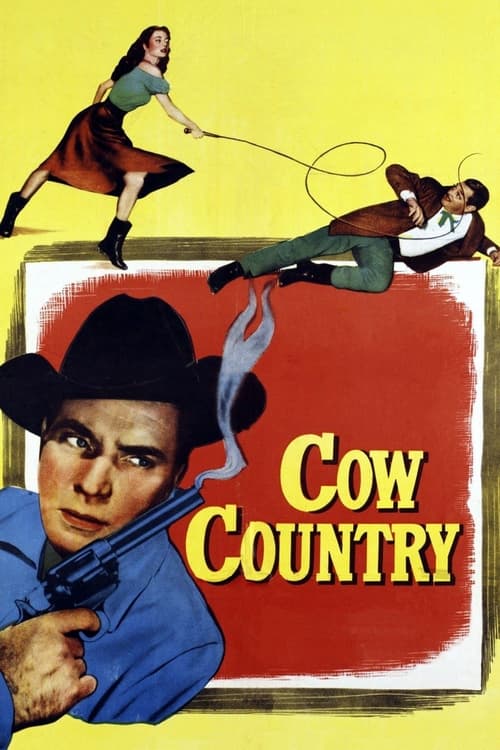
Cow Country
1953
No user ratings available yet
Representation score: 0.6 out of 10
Representation Score
Minimal
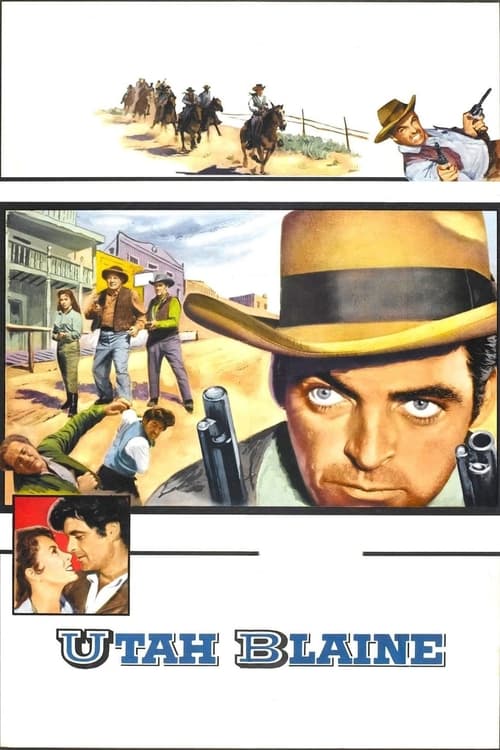
1957
NRDirector
Fred F. Sears
Runtime
75 minutes
Average Rating
No ratings yetNew Showbiz Analysis
Utah Blaine is a classic mid-century Western that upholds the social and narrative norms of its era. It reinforces established Western cultural norms rather than challenging them. The film relies on traditional archetypes, emphasizing masculine competence and the triumph of the lawman. This approach prioritizes genre clichés and moral clarity over diverse perspectives and multi-layered complexity.
Category Breakdown
The film follows the conventions of 1957 cinema and does not include any LGBTQ+ characters or stories that go beyond the assumption that everyone is straight.
The movie focuses on male leadership and justice in a frontier setting. Women are mostly seen in supporting roles, such as caretakers or damsels in distress.
The film reflects the homogeneous casting typical of its time, with an emphasis on Anglo-American characters. Indigenous peoples are likely portrayed as obstacles rather than fully developed characters.
The themes center around land ownership, individual heroism, and upholding traditional Western values. The story emphasizes moral clarity and the protection of property.
There is no clear depiction of physical or neurodivergent disabilities in the film. The genre's emphasis on physical strength leaves this area unexplored.
Present on Screen
Limited or Absent
Official Synopsis
Western about Calhoun helping to overcome land-grabbing outlaws.
1953
1969

1976
1939
1963
1959

1954
1966
No reviews yet. Be the first to share your thoughts on this movie!
Use the rating form above to leave a star rating and optional review.