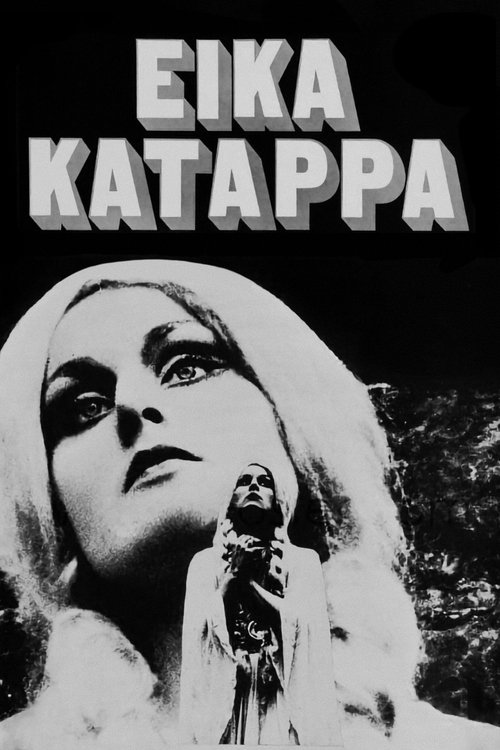
Eika Katappa
1969
No user ratings available yet
Diversity score: 6.7 out of 10
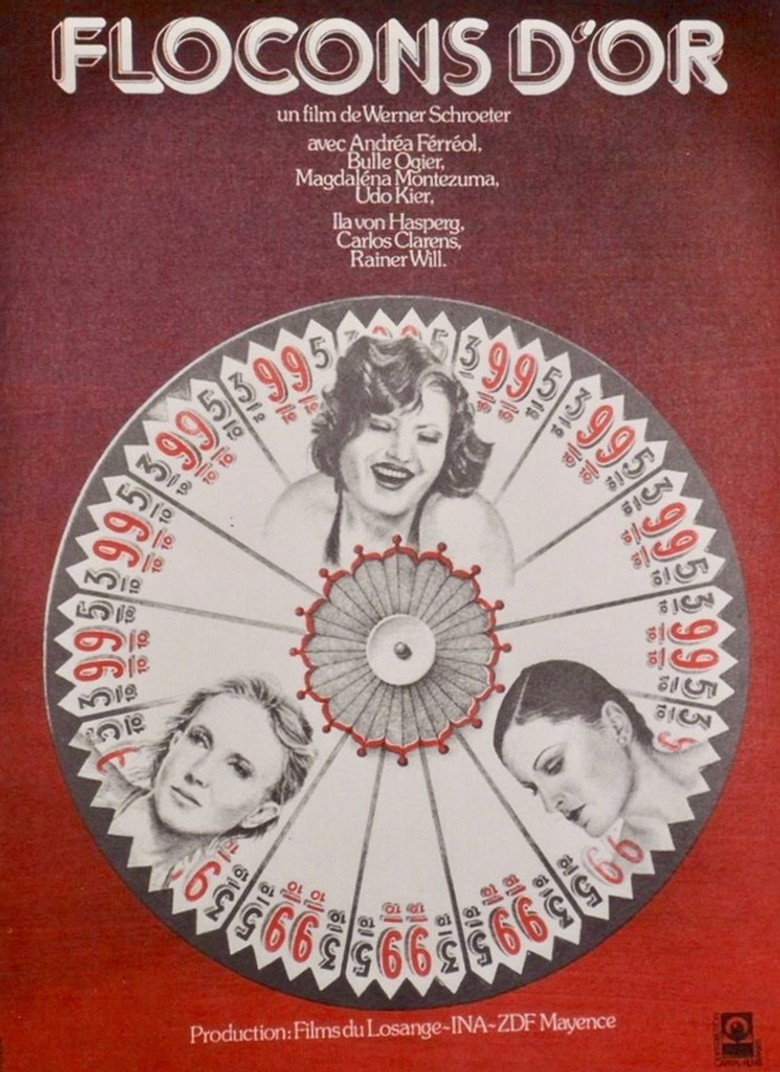
1976
Director
Werner Schroeter
Runtime
163 minutes
Average Rating
No ratings yetSynopsis
Werner Schroeter's rhapsody of excess leaps from 1949 Cuba to contemporary France to points in between, while its feverishly shifting visual style evokes and parodies everything from kitschy Mexican telenovelas to silent French art films.
Overall Score
Good
Category Breakdown
LGBTQ+ Representation
The film utilizes operatic artifice and a rhapsody of excess to explore non-normative identities. It prioritizes stylized, non-cisnormative expressions over traditional realism.
Gender Representation
Shifting visual styles disrupt traditional gendered storytelling. The narrative deconstructs rigid archetypes of masculinity and femininity through parody and performative roles.
Racial & Ethnic Diversity
Geographic leaps to 1949 Cuba indicate an engagement with diverse landscapes. This approach moves away from purely Eurocentric historical perspectives.
Religious & Cultural Diversity
The work blends Mexican telenovelas and French art cinema to disrupt singular Western narratives. It favors aesthetic truth over structured, institutionalized morality.
Disability Representation
The film provides no explicit evidence regarding the portrayal of physical or neurodivergent disabilities.
Strengths
Areas for Improvement
AI Analysis
Werner Schroeter’s *Gold Flakes* is a kaleidoscopic work that thrives on stylistic subversion. By blending disparate genres like Mexican telenovelas and silent French art films, the movie rejects traditional, linear storytelling in favor of a feverish, operatic excess. The film excels at disrupting cultural and gendered hierarchies. Its movement across time and space—from Cuba to France—creates a complex tapestry that challenges Eurocentric norms and explores identity through a highly stylized, camp-inflected lens. While the film is a triumph of postmodern aesthetic diversity, it lacks specific information regarding disability representation. However, its strength lies in its refusal to adhere to a singular, stable moral or cultural framework.
1969
1986
1973
1981

2012
1979
1973
1970
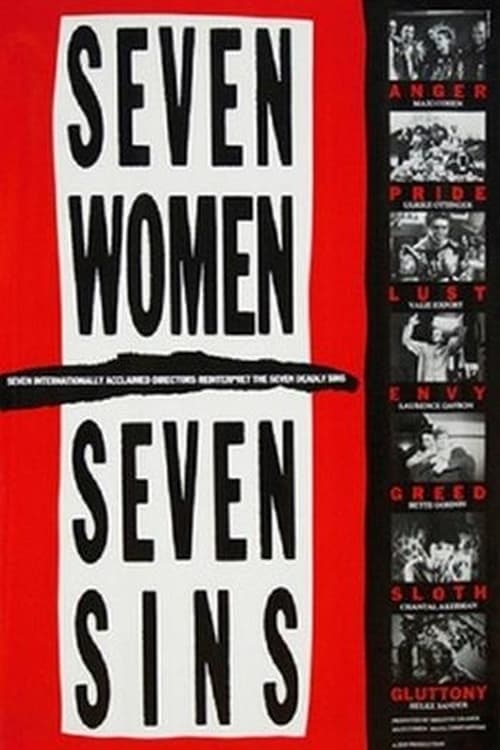
1986

1969
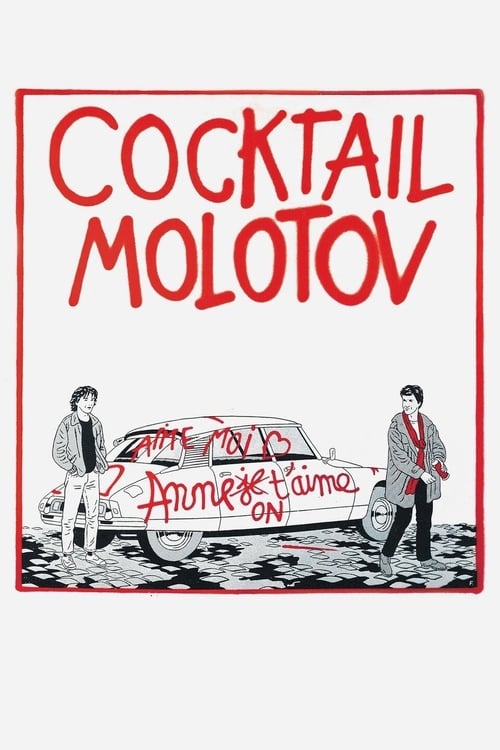
1980
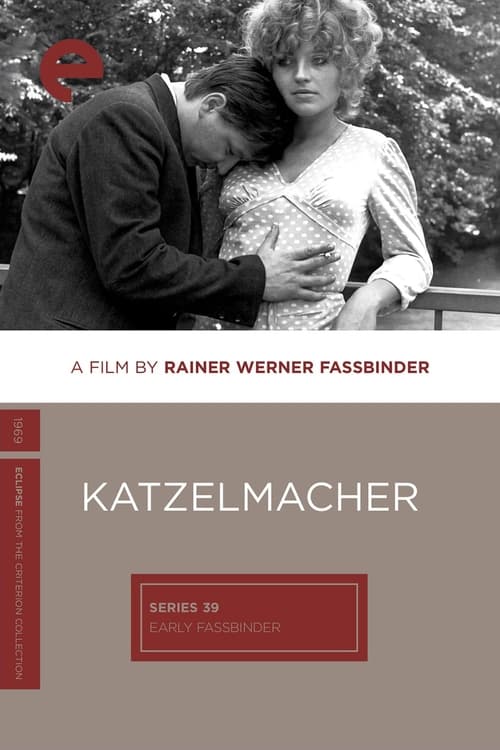
1969
No reviews yet. Be the first to share your thoughts on this movie!
Use the rating form above to leave a star rating and optional review.