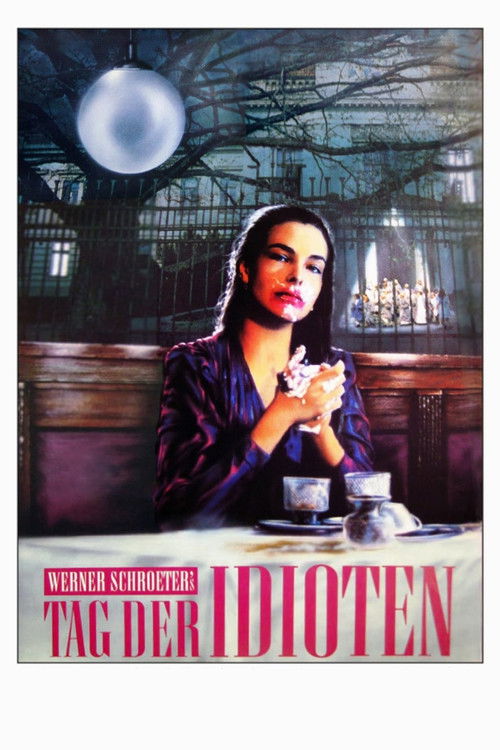
Day of the Idiots
1981
No user ratings available yet
Diversity score: 5.9 out of 10
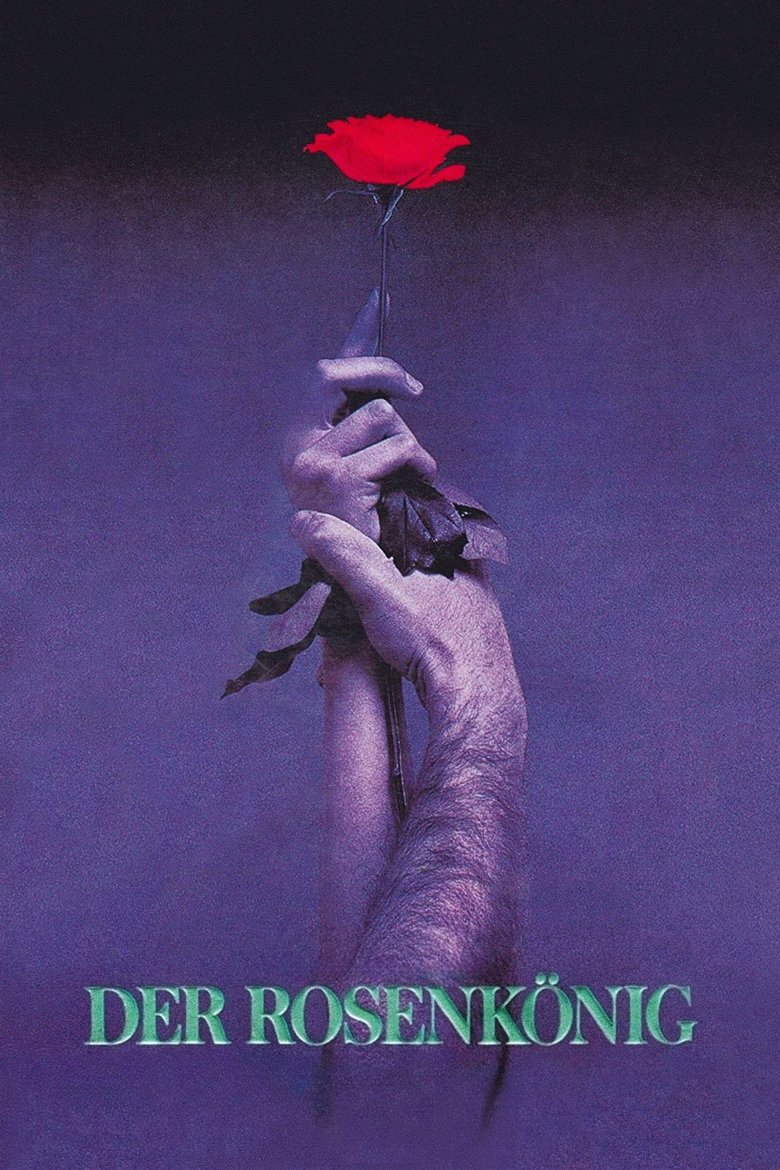
1986
Director
Werner Schroeter
Runtime
106 minutes
Average Rating
No ratings yetSynopsis
A mentally unstable woman and her son move to a sprawling mansion in Portugal to grow roses.
Overall Score
Good
Category Breakdown
LGBTQ+ Representation
The film engages with queer sensibilities through a highly stylized, camp aesthetic. Schroeter’s cinematic language frequently utilizes gender fluidity and non-normative expressions of desire to challenge heteronormative structures.
Gender Representation
The story centers on a female protagonist whose mental instability and unconventional lifestyle deviate from traditional domestic tropes. It deconstructs the 'stable matriarch' archetype by focusing on her psychological fragmentation.
Racial & Ethnic Diversity
The Portuguese setting offers potential for Mediterranean or Lusophone representation. However, there is a lack of explicit evidence regarding the racial composition of the ensemble or specific character descriptions.
Religious & Cultural Diversity
The narrative prioritizes individual psychological truth over institutional or religious norms. It uses an isolated, obsessive setting to critique traditional notions of home and social stability.
Disability Representation
The plot centers on a mentally unstable woman, placing neurodivergence at the heart of the character's journey. This suggests a focus on non-normative cognitive experiences, though the specific execution remains unclear.
Strengths
Areas for Improvement
AI Analysis
Werner Schroeter’s avant-garde approach brings a strong sense of aesthetic transgression to the film. By utilizing camp and highly stylized performances, the work naturally aligns with queer and non-normative identities. The film succeeds in subverting traditional gender roles by centering a woman whose instability disrupts domestic expectations. It moves away from conventional depictions of feminine competence to explore more complex psychological landscapes. However, the film lacks clear evidence of racial diversity or specific casting details. While the setting provides a cultural backdrop, the narrative's focus remains primarily on the internal, psychological states of its protagonists.
1981
1976
1973
2005
1974
2007

2020
1991

2017
2001
1986

2003
No reviews yet. Be the first to share your thoughts on this movie!
Use the rating form above to leave a star rating and optional review.