Love
1982
No user ratings available yet
Representation score: 6.3 out of 10
Representation Score
Good
1986
RDirector
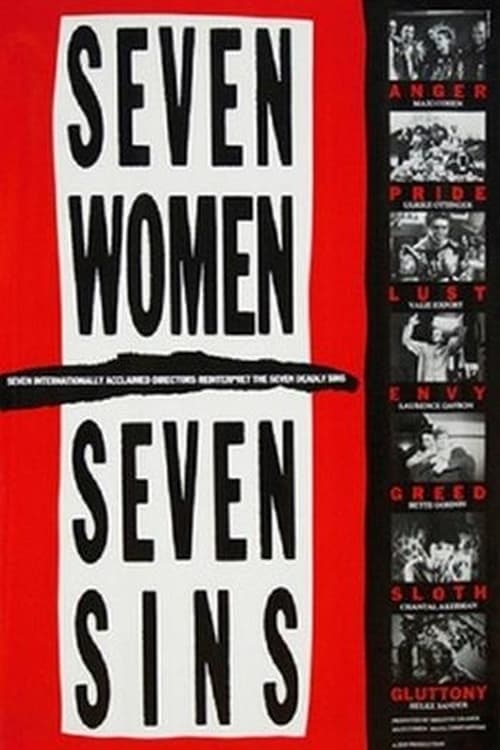
Chantal Akerman, Maxi Cohen, Valie Export, Ulrike Ottinger, Laurence Gavron, Bette Gordon, Helke Sander
Runtime
109 minutes
Average Rating
No ratings yetNew Showbiz Analysis
This collaborative project serves as a radical disruption of traditional cinematic norms. By distributing directorial power among seven women, it dismantles the singular, traditionally masculine concept of the auteur. The film's structure prioritizes pluralism and the deconstruction of established moral frameworks. The work's strength lies in its structural diversity and its ability to replace passive female clichés with active subjectivity. It utilizes a variety of formats, from musical to radical documentary, to ensure a fragmented and non-monolithic perspective. However, the film remains rooted in a European-centric production context. While the directors are pioneers of feminist theory, the specific presence of diverse racial narratives or explicit queer character identities is not clearly established in the available documentation.
Category Breakdown
Directors like Valie Export and Chantal Akerman suggest a likely exploration of non-traditional gender expressions. However, the film does not provide explicit examples of queer identity or intimacy.
The film challenges traditional hierarchies by focusing on seven distinct female perspectives. By giving these women total directorial control, the work replaces the male gaze with multifaceted female viewpoints.
As a European collaborative effort, the film reflects the baseline of European avant-garde movements of the time. There is no confirmation of a non-white majority cast or specific racialized narratives.
The project reinterprets traditional morality by reframing the seven sins through a feminist lens. It uses experimental formats to challenge Western cinematic traditions and religious social controls.
There is insufficient information available to assess how physical or neurodivergent disabilities are portrayed within the film.
Present on Screen
Limited or Absent
Official Synopsis
Seven Women, Seven Sins (1986) represents a quintessential moment in film history. The women filmmakers invited to direct for the seven sins were amongst the world's most renown: Helke Sander (Gluttony), Bette Gordon (Greed), Maxi Cohen (Anger), Chantal Akerman (Sloth), Valie Export (Lust), Laurence Gavron (Envy), and Ulrike Ottinger (Pride). Each filmmaker had the liberty of choosing a sin to interpret as they wished. The final film reflected this diversity, including traditional narrative fiction, experimental video, a musical, a radical documentary, and was delivered in multiple formats from 16, super 16, video and 35mm.
1982
1967

1996
2007
1994
1977
2012

1967
No reviews yet. Be the first to share your thoughts on this movie!
Use the rating form above to leave a star rating and optional review.