The Pornographer
2001
No user ratings available yet
Diversity score: 7.6 out of 10
1979
Director
Pierre Clémenti
Runtime
63 minutes
Average Rating
No ratings yetSynopsis
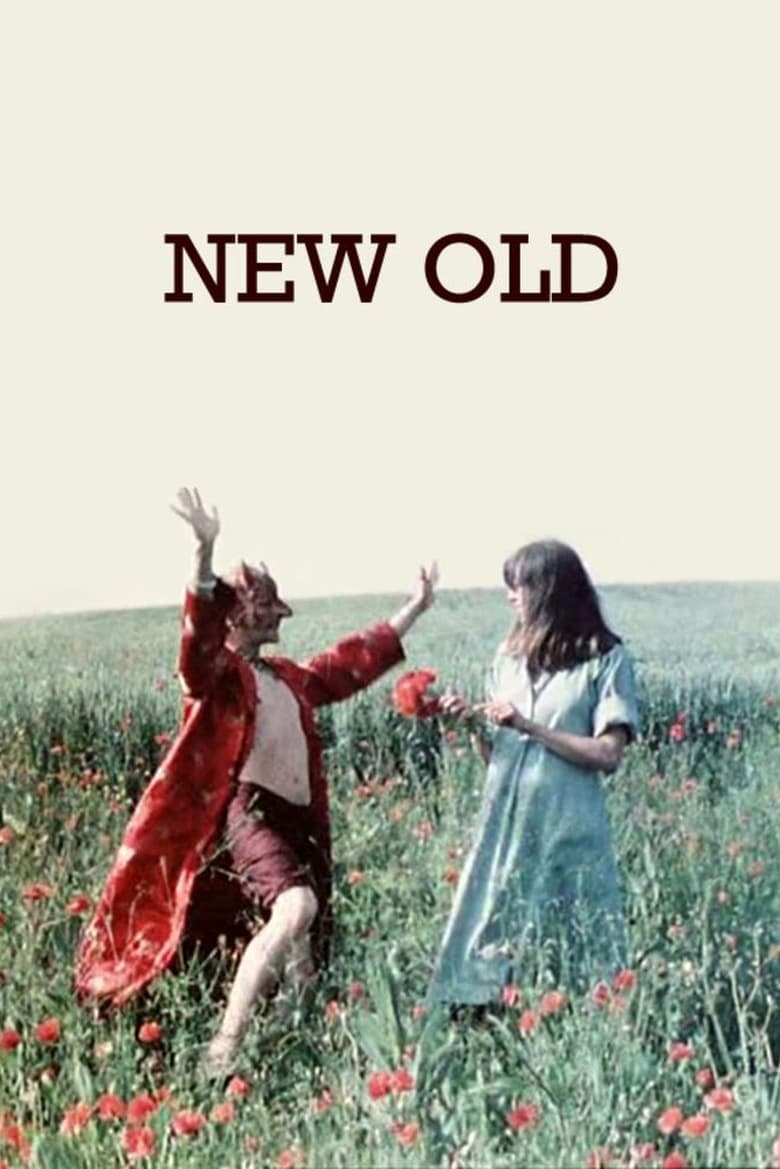
"Chronicles of the Present Times" - An experimental trilogy. New Old flows together footage from more than a decade of his wandering between scenes, sets, and drugs, an accelerated world tour through various iterations of the counterculture.
Overall Score
Good
Category Breakdown
LGBTQ+ Representation
The film explores countercultural landscapes that intersect with queer spaces. It prioritizes the lived experiences of those existing on the margins of mainstream society.
Gender Representation
Clémenti’s focus on nomadic wandering suggests a departure from traditional gender hierarchies. The film deconstructs domestic stability and the nuclear family model.
Racial & Ethnic Diversity
An accelerated world tour implies a global scope beyond Anglo-centric perspectives. However, the specific agency of non-Western subjects is not explicitly detailed.
Religious & Cultural Diversity
The narrative champions anti-institutionalism and nomadic existence. It critiques Western structures like capitalism and organized religion through a lens of moral relativism.
Disability Representation
There is no specific evidence regarding the portrayal of physical or neurodivergent disabilities in this work.
Strengths
Areas for Improvement
AI Analysis
Pierre Clémenti’s experimental trilogy functions as a cinematic meditation on the dissolution of traditional social frameworks. By utilizing a fragmented, documentary-style architecture, the film rejects linear storytelling in favor of a decentralized view of human experience. The work excels in its cultural critique, using a decade of footage to celebrate the fluidity of the late-20th-century counterculture. It successfully moves away from mainstream institutional stability to embrace a more subjective, nomadic reality. While the global scope suggests racial diversity, the film's primary strength lies in its thematic subversion of heteronormative and institutional norms. It remains a study of movement and the rejection of societal hierarchies.
2001

1976

1967

1983
1988

2013
2018

1970
1999

1977

1964

1983
No reviews yet. Be the first to share your thoughts on this movie!
Use the rating form above to leave a star rating and optional review.