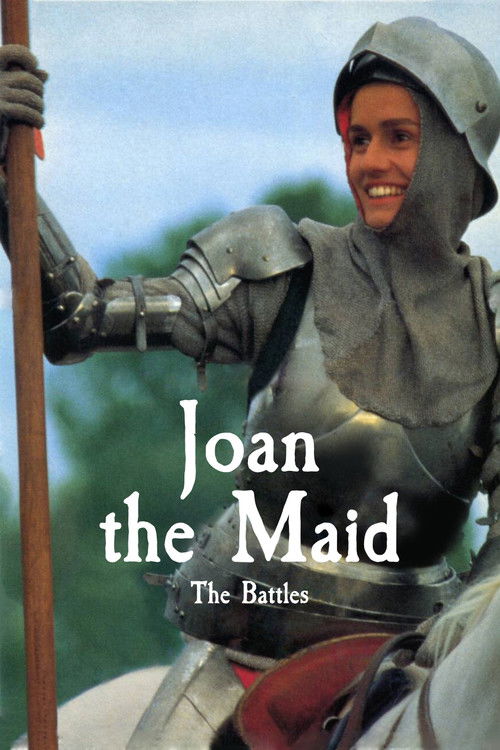
Joan the Maid I: The Battles
1994
No user ratings available yet
Representation score: 5.6 out of 10
Representation Score
Good
1994
PGDirector
Jacques Rivette
Runtime
176 minutes
Average Rating
No ratings yetNew Showbiz Analysis
Jacques Rivette’s work reinterprets the Joan of Arc myth by focusing on individual vulnerability instead of military triumph. The film highlights how institutional power, particularly the Church and State, can threaten personal autonomy. The narrative structure emphasizes a critique of systemic oppression. By focusing on the trial and the protagonist's physical weakness, the film challenges traditional nationalist and patriarchal views of the legend. While the historical setting restricts racial diversity, the film excels in intellectually subverting gender roles and institutional authority.
Category Breakdown
The film examines the vulnerability associated with gender and the policing of women's bodies. Though non-straight relationships aren't explicitly shown, the narrative criticizes patriarchal structures that aim to control individuals.
Joan, the main character, uses her intelligence and spiritual strength to drive the plot. The story highlights her struggle against a male-dominated legal and political system, challenging traditional power hierarchies.
The 15th-century French setting limits the demographic scope. There is no evidence of significant racial diversity or race-bent casting within this historical context.
The narrative challenges Western institutions by portraying the Church and monarchy as oppressive forces. These structures are used to critique how systemic power can undermine personal freedom.
The protagonist's physical injury serves as a central narrative point. Her vulnerability is explored to discuss the intersection of bodily integrity and personal ability to act rather than just as a plot device.
Present on Screen
Limited or Absent
Official Synopsis
Jeanne has succeeded in lifting the siege of Orléans and Charles has been crowned King of France. However, she is injured in an attempt to take Paris, weakening her position at court. Captured by the enemy and put on trial, she finds both her life and the sanctity of her body at stake.
1994
1963
1957

1944
1949

1954

2019

1995
No reviews yet. Be the first to share your thoughts on this movie!
Use the rating form above to leave a star rating and optional review.