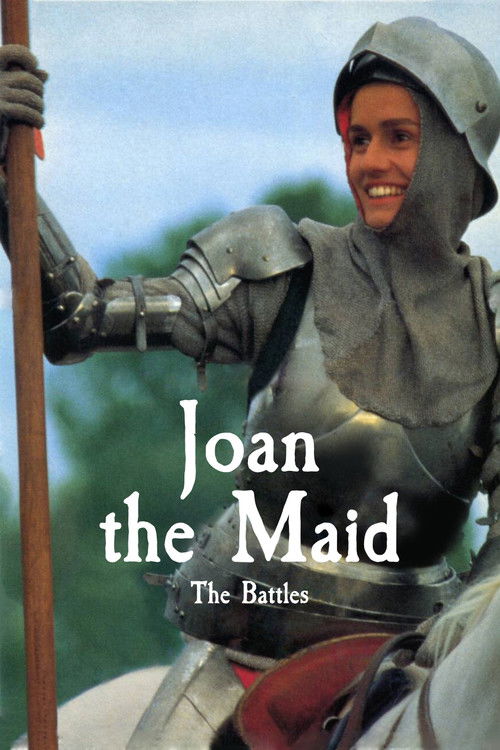
Joan the Maid I: The Battles
1994
No user ratings available yet
Representation score: 5.6 out of 10
Representation Score
Limited
1957
NRDirector
Otto Preminger
Runtime
110 minutes
Average Rating
No ratings yetNew Showbiz Analysis
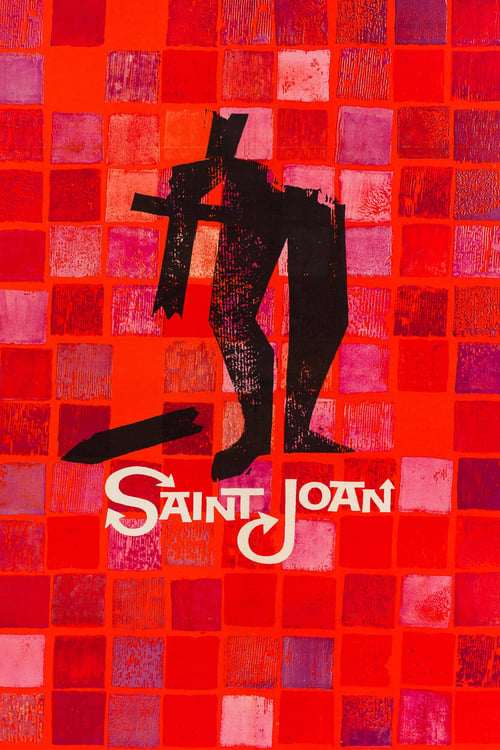
Otto Preminger’s film examines the conflict between personal conscience and institutional power. Though it lacks modern diversity, it excels in its progressive themes. The narrative centers on a young woman who challenges established religious and political hierarchies. By putting a peasant girl in charge of an army, the film upends traditional gender roles and patriarchal structures. The film’s strength lies in its critique of systemic oppression, highlighting the moral truth of a underrepresented individual against the rigid dogma of the state and the Church.
Category Breakdown
The film does not include any visible LGBTQ+ characters or explore non-straight relationships.
Jean Seberg’s portrayal of Joan of Arc highlights strong female leadership. She commands an army and outsmarts her male peers, challenging traditional gender roles.
The cast is mainly white and European, reflecting the historical setting and production period. There is no attempt to include diverse racial backgrounds.
The film critiques the Catholic Church and judicial systems as oppressive and corrupt, focusing on their control over individuals.
The film does not feature any significant characters with physical or cognitive disabilities.
Present on Screen
Limited or Absent
Official Synopsis
In 1456, French King Charles VII recalls the story of how he met the 17-year-old peasant girl Joan of Arc, entrusted her with the command of the French Army, and ultimately burned her at the stake as a heretic.
1994
1944
1994
1963

1950
1954
1949
1928
No reviews yet. Be the first to share your thoughts on this movie!
Use the rating form above to leave a star rating and optional review.