Marie-Antoinette, Queen of France
1956
No user ratings available yet
Representation score: 1.4 out of 10
Representation Score
Fair
1955
Director
Abel Gance
Runtime
120 minutes
Average Rating
No ratings yetNew Showbiz Analysis
Abel Gance’s historical drama successfully challenges traditional gender hierarchies by centering a powerful female protagonist. The film uses its period setting to critique the corruption of monarchical institutions and the fragility of established authority. However, the film remains limited by its adherence to the demographic realities of its 14th-century French setting, offering little in the way of racial or modern identity-based diversity. The exploration of non-traditional sexualities is present through themes but lacks explicit character identification. Ultimately, the work is a sophisticated critique of social hierarchies, finding its strength in the deconstruction of power rather than in contemporary characters who reflect more than one aspect of diversity.
Category Breakdown
The film explores non-traditional sexual expressions through secret gatherings that defy 14th-century social norms. Though specific LGBTQ+ identities are not confirmed, the narrative highlights intimate relationships that challenge the restrictive religious norms of the time.
Queen Margaret of Burgundy is portrayed as a strong leader who controls political secrets and orchestrates social rituals. She disrupts traditional stereotypes of passive female figures in historical dramas by taking an active role.
The film stays true to the demographic realities of 14th-century France and the Burgundian court, focusing on a specific European aristocratic subset without highlighting racial blending or non-majority casts.
The story critiques Western institutions by presenting the monarchy and family unit as fronts for corruption. It uses a lens of subjective morality to highlight the violence inherent in established power structures.
The narrative does not provide any evidence regarding the inclusion or portrayal of characters with visible or invisible disabilities.
Present on Screen
Limited or Absent
Official Synopsis
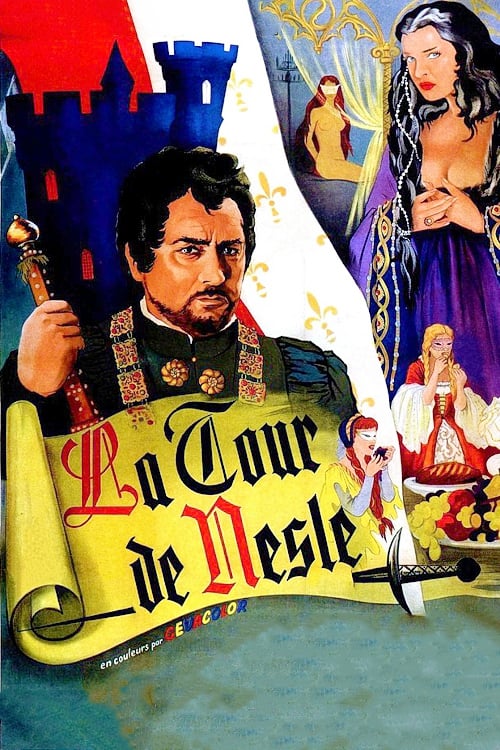
France, the beginning of the XIV century. Every night, Queen Margaret of Burgundy and her two sisters arrange orgies, to which beautiful nobles are invited. The young men were brought blindfolded, and after a night of love they were killed and their corpses thrown into the river, because the queen was afraid that her husband would learn about her adventures. One of her lovers managed to escape death. He knows the secrets of the queen, knows that she once gave birth to a son from him, claims that he has evidence that Margarita wanted to kill her father and blackmails her.
1956
1993
1908
1971
1976
1934
1908
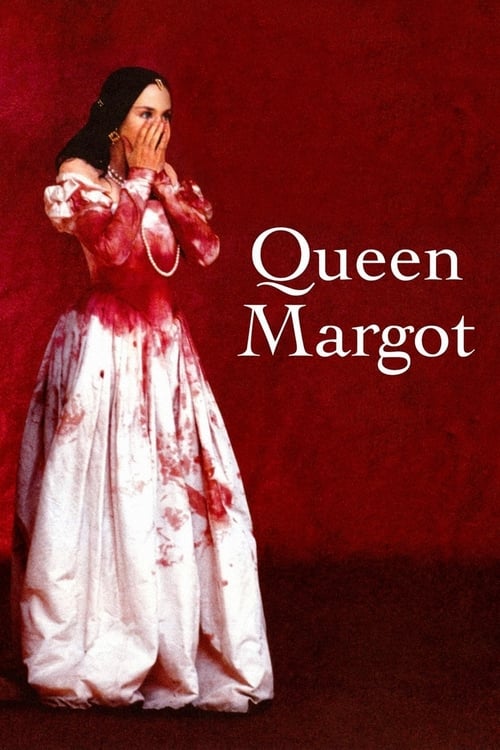
1994
No reviews yet. Be the first to share your thoughts on this movie!
Use the rating form above to leave a star rating and optional review.