The Marquise of O
1976
No user ratings available yet
Representation score: 3.5 out of 10
Representation Score
Minimal
1956
Director
Jean Delannoy
Runtime
120 minutes
Average Rating
No ratings yetNew Showbiz Analysis
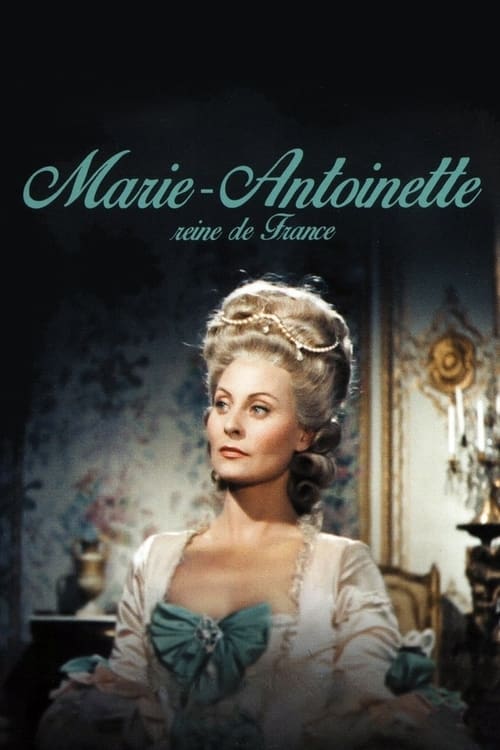
Jean Delannoy’s film is a traditionalist historical reconstruction that prioritizes period-specific social hierarchies. It adheres to the aesthetic and demographic norms of both the 18th-century Bourbon court and 1950s European cinema. The production focuses on the tension between individual desire and rigid institutional structures. It does not attempt to challenge traditional hierarchies or introduce diverse identities, resulting in a narrow demographic scope. While the film offers some discourse on female experiences, it remains bound by the historical and cinematic constraints of its era, focusing on the personal decline of the French monarchy.
Category Breakdown
The film maintains a strict focus on heterosexual relationships, centering romantic tensions between Marie-Antoinette, Louis XVI, and Axel de Fersen.
The narrative centers the female experience within a restrictive court system. While Marie-Antoinette displays emotional autonomy, her ability to act remains limited by her role as a dynastic vessel.
The casting reflects the homogeneous white European aristocracy of the late 18th century. There is no evidence of intentional ethnic blending or race-bent casting.
Catholic institutions and monarchical authority serve as the central pillars of the state. The film portrays the monarchy's decline as a personal and systemic tragedy.
There are no visible depictions of neurodivergence, physical disabilities, or chronic illnesses within the primary character arcs.
Present on Screen
Limited or Absent
Official Synopsis
As Louis XV lies on his deathbed, the Dauphine of France, Marie-Antoinette, seduces a Swedish officer, Axel de Fersen, which pains her husband, Louis XVI, who will know how to be generous when he learns of this deception.
1976
1934

2018
1969
1955
2000

1983

1957
No reviews yet. Be the first to share your thoughts on this movie!
Use the rating form above to leave a star rating and optional review.