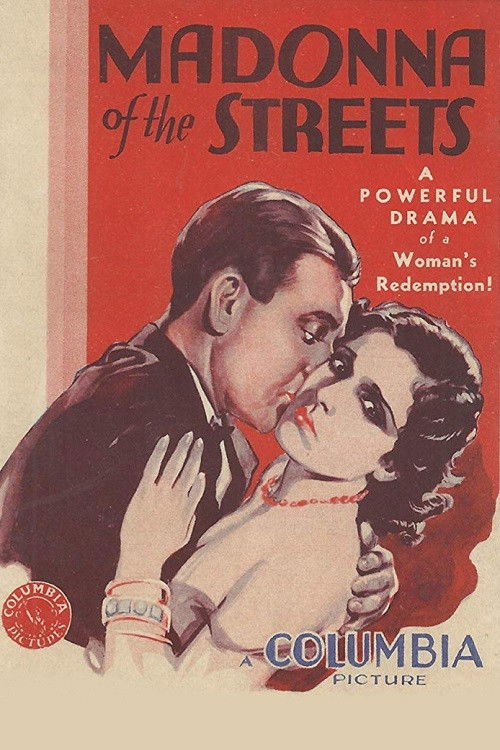
Madonna of the Streets
1930
No user ratings available yet
Representation score: 0.0 out of 10
Representation Score
Limited
1930
PassedDirector
Henry King
Runtime
80 minutes
Average Rating
No ratings yetNew Showbiz Analysis
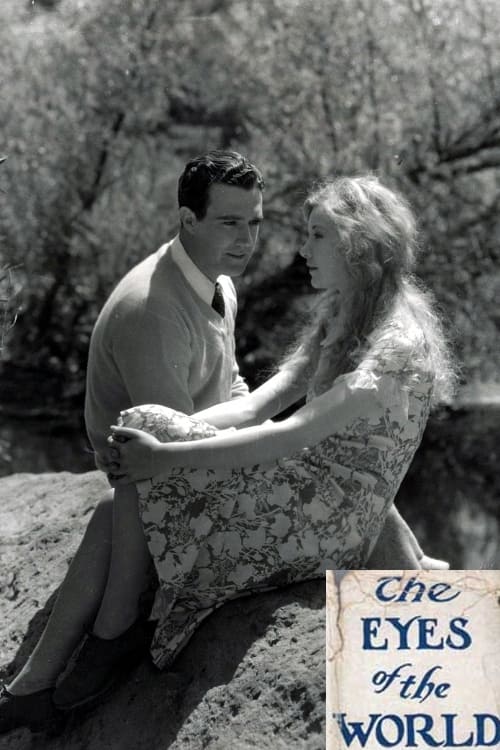
The Eyes of the World is a product of early sound-era Hollywood, adhering closely to the dramatic structures and casting norms of the 1930s. While it provides a platform for female leads, it lacks the subversive elements found in more progressive cinema. The film's demographic makeup is largely homogeneous, reflecting the era's lack of racial and cultural diversity. It functions as a conventional drama rather than a vehicle for diverse storytelling. Ultimately, the production reflects the standard studio-era norms, prioritizing established social hierarchies over the representation of underrepresented identities.
Category Breakdown
The film does not include any clear representations of LGBTQ+ individuals or non-cisgender identities. It operates within the traditional assumption that everyone is straight and cisgender.
The film features several prominent actresses, suggesting a focus on female perspectives. However, it does not challenge traditional gender roles or domestic hierarchies.
The cast is made up of white actors, reflecting the homogeneous casting practices of the time. There is no evidence of racial diversity or the inclusion of non-white characters.
The film aligns with conventional moral frameworks and traditional Western social structures. It does not critique or challenge established hierarchies or institutions.
There is no information available regarding the depiction of physical or neurodivergent characters in this work.
Present on Screen
Limited or Absent
Official Synopsis
The Eyes of the World is a 1930 American pre-Code drama film directed by Henry King and written by Brewster Morse and Clarke Silvernail. The film stars Eulalie Jensen, Florence Roberts, Una Merkel, and Nance O'Neil.
1930
1932
1931
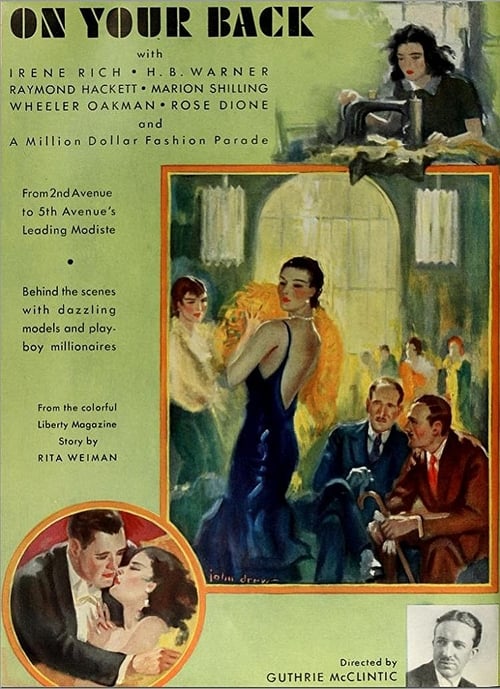
1930
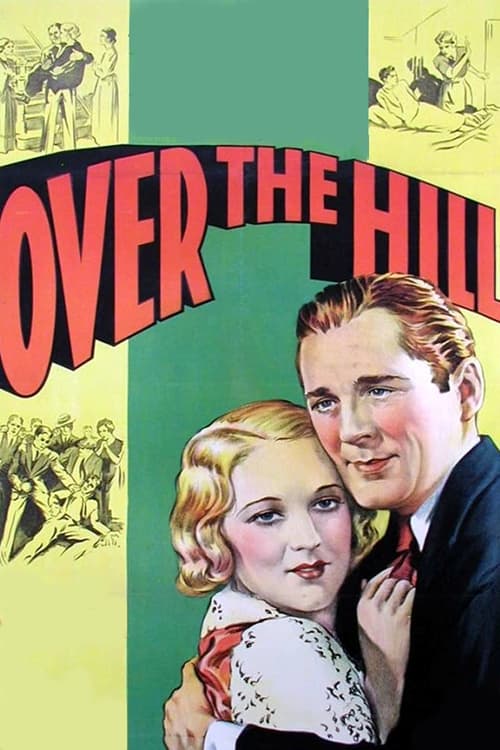
1931

1918
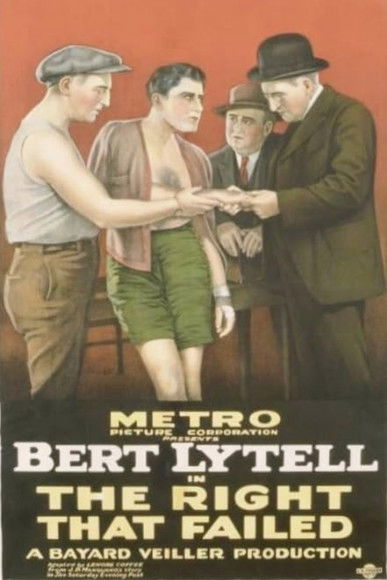
1922
1933
No reviews yet. Be the first to share your thoughts on this movie!
Use the rating form above to leave a star rating and optional review.