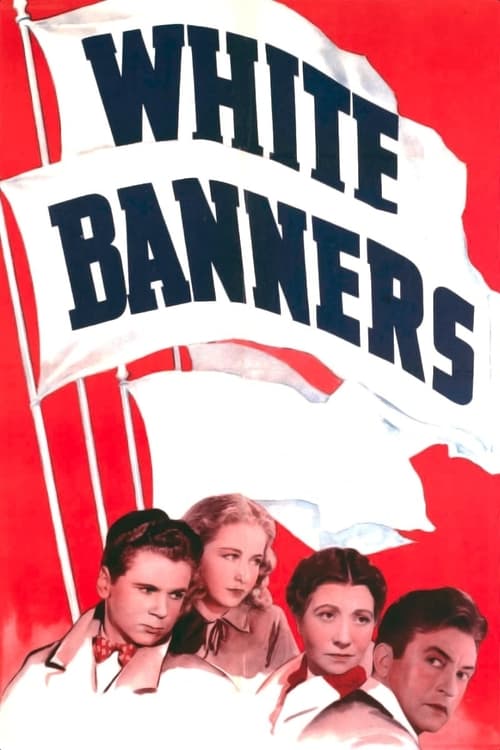
White Banners
1938
No user ratings available yet
Representation score: 0.6 out of 10
Representation Score
Minimal
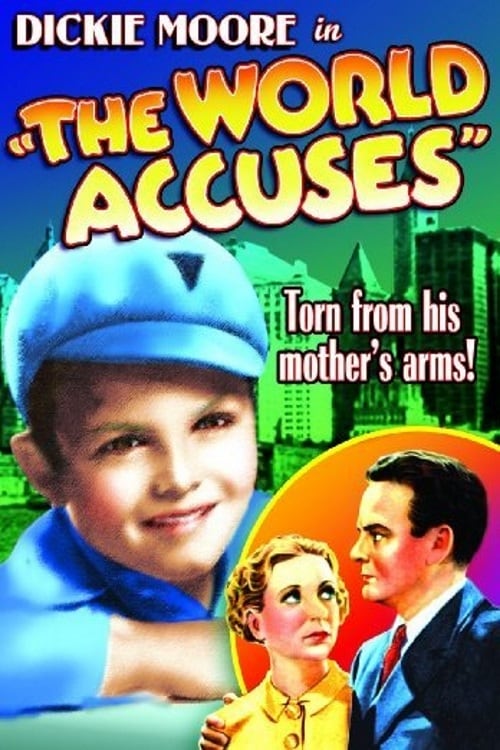
1934
ApprovedDirector
Charles Lamont
Runtime
62 minutes
Average Rating
No ratings yetNew Showbiz Analysis
The film functions as a conventional domestic drama centered on a woman's encounter with a child she previously relinquished. The narrative focuses on individual moral dilemmas and maternal regret rather than systemic critiques. Because the story relies on standard period-typical clichés, it lacks complexity in reflecting multiple aspects of identity. The themes appear rooted in the social and moral judgments common to 1930s cinema, offering little disruption to traditional hierarchies. Without specific details on character's ability to drive the story or racial composition, the film remains a standard genre exercise. It does not present documented indicators of progressive or diverse storytelling.
Category Breakdown
The film does not include any characters with non-straight sexual orientations or gender identities. It also does not critique the assumption that everyone is straight or cisgender.
The story centers on a female protagonist navigating maternal regret. This follows traditional 1930s melodramatic clichés regarding female domestic struggles.
There is no indication of a non-Anglo-Saxon majority. Specific details regarding the cast's racial or ethnic composition remain unconfirmed.
The narrative focuses on personal morality and social consequences. It lacks anti-Western or secularist themes, favoring conventional moral judgments.
The film provides no information regarding the inclusion of neurodivergent or physically disabled characters.
Present on Screen
Limited or Absent
Official Synopsis
When a middle aged woman accepts a job at a day care center she comes across the child she gave up early in life.
1938
1957
1935
1995
1921

1921
1952

2018
No reviews yet. Be the first to share your thoughts on this movie!
Use the rating form above to leave a star rating and optional review.