
Conquest of Cochise
1953
No user ratings available yet
Representation score: 0.9 out of 10
Representation Score
Fair
1953
ApprovedDirector
Fred F. Sears
Runtime
68 minutes
Average Rating
No ratings yetNew Showbiz Analysis
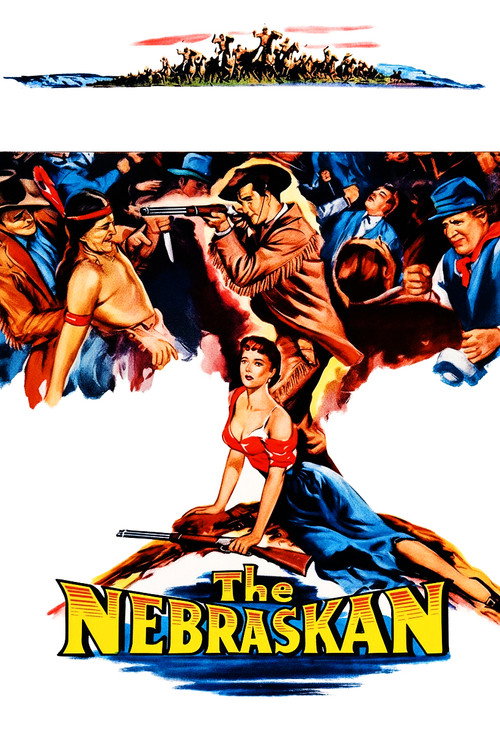
The Nebraskan places Native American characters at the center of its conflict, giving them substantial narrative weight. Wingfoot’s escape and the subsequent trial drive the plot forward, making Indigenous perspectives essential to the story’s resolution. Jay Silverheels and Maurice Jara are not background figures; their actions determine the outcome. However, the film reflects its 1953 origins in other areas. Women have minimal presence and narrative influence, with Roberta Haynes cast in a minor supporting role. The narrative prioritizes male military and tribal leadership, sidelining female voices in decision-making processes. This gender imbalance is consistent with the era’s typical Western conventions. The absence of LGBTQ+ and disability representation is notable but expected for the period. The film’s cultural portrayals are grounded in the 1867 setting, showing systemic tensions without anachronistic framing. While limited by historical context, the work offers substantive depth to its Indigenous characters, balancing its strengths with clear era-specific limitations.
Category Breakdown
The film contains no LGBTQ+ characters or same-sex romance. All relationships depicted are strictly heterosexual or professional. The narrative focuses entirely on military conflict and tribal disputes.
Men drive the plot as soldiers, scouts, and tribal leaders. Women are sidelined, with Roberta Haynes playing a minor supporting role. Traditional masculine leadership dominates the narrative structure and decision-making processes.
Jay Silverheels and Maurice Jara portray Native American characters with significant narrative weight. Wingfoot’s escape and trial drive the central conflict. The film centers on the tension between the U.S. Army and the Sioux tribe.
The story questions the fairness of military justice regarding Native Americans. It depicts the era’s complex power dynamics between settlers and indigenous peoples. Traditional Western institutions like the Army are portrayed as flawed but necessary.
No characters with physical or mental disabilities appear in the documented plot. The narrative focuses on physical conflict and legal proceedings. There is no on-screen evidence of disability representation.
Present on Screen
Limited or Absent
Official Synopsis
War looms on the horizon when an Army officer's American Indian aide is accused of murdering a tribal elder.
1953
1940
1956
1965
1950
1960
1954

1950
No reviews yet. Be the first to share your thoughts on this movie!
Use the rating form above to leave a star rating and optional review.