
Last Train from Gun Hill
1959
No user ratings available yet
Representation score: 1.7 out of 10
Representation Score
Limited
1960
NRDirector
John Ford
Runtime
111 minutes
Average Rating
No ratings yetNew Showbiz Analysis
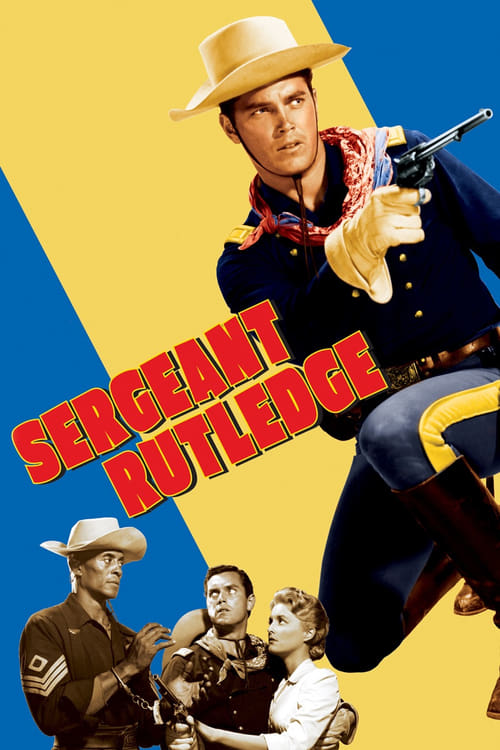
Sergeant Rutledge stands as a landmark departure from the traditional Western archetype. By centering a Black protagonist, the film disrupts the genre's historical Anglo-Saxon dominance and replaces standard frontier myths with a study of systemic prejudice. The film's strength lies in its intentional deconstruction of racial hierarchies. Through the lens of the United States Colored Troops, it challenges the homogeneity of the Western through a complex moral and legal conflict. However, the film remains limited by its adherence to 19th-century social structures. The lack of gender diversity and the absence of LGBTQ+ representation keep the overall score moderate despite its progressive racial themes.
Category Breakdown
The film does not include any visible LGBTQ+ characters or narratives. The social structure is strictly defined by the rigid, traditional hierarchies of the 19th-century military.
The narrative focuses almost entirely on male military structures. Female characters are relegated to peripheral or catalytic roles and do not play a significant role in driving the story.
The film breaks Western clichés by casting Woody Strode in a central, actively leading role. It offers a nuanced look at the USCT and racial tension within segregated institutions.
The story critiques traditional Western institutions by portraying the military as an engine of systemic racism. It explores the tension between individual ethics and unjust military law.
There is no significant or meaningful depiction of physical or neurodivergent disabilities within the film.
Present on Screen
Limited or Absent
Official Synopsis
Respected black cavalry Sergeant Brax Rutledge stands court-martial for raping and killing a white woman and murdering her father, his superior officer.
1959
1972
1962

1950
1956
1943
1964
1972
No reviews yet. Be the first to share your thoughts on this movie!
Use the rating form above to leave a star rating and optional review.