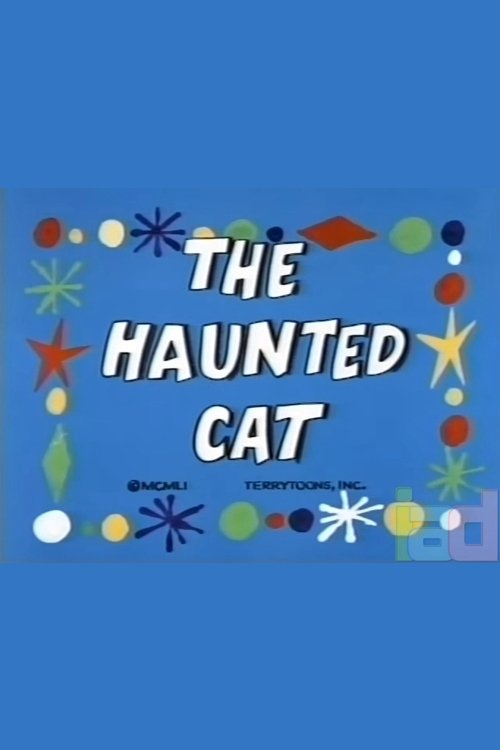
The Haunted Cat
1951
No user ratings available yet
Representation score: 1.2 out of 10

Representation Score
Limited
1951
ApprovedDirector
Eddie Donnelly
Runtime
6 minutes
Average Rating
No ratings yetNew Showbiz Analysis
Flop Secret is a product of its era, relying heavily on conventional storytelling clichés. The narrative prioritizes a linear hero-versus-villain conflict, using the Jekyll and Hyde archetype to create tension. This structure focuses on immediate conflict rather than character depth. Since the characters are anthropomorphic animals, the film avoids complex social or identity-based themes. The characters serve as archetypes within a standard horror-comedy framework, limiting opportunities for meaningful representation. Ultimately, the film lacks the narrative structure to engage with multiple aspects of identity. It remains a straightforward, mid-century animated short that adheres to established, non-subversive storytelling patterns.
Category Breakdown
The film does not include any LGBTQ+ characters or explore non-cisgender identities. It focuses solely on a traditional animal-centric adventure.
The story centers around a male mouse and a male antagonist. It lacks female characters and does not challenge gendered power dynamics.
As an animated short featuring anthropomorphic animals, the film does not address racial or ethnic diversity. It relies on standard animal archetypes.
The story follows a traditional morality tale structure common in mid-century animation. It features a standard restorative arc without exploring diverse cultural sentiments.
The film does not represent physical or neurodivergent disabilities. The antagonist's potion functions as a horror cliché without a nuanced exploration of disability.
Present on Screen
Limited or Absent
Official Synopsis
Litle Rocquefort, the mouse named after a cheese, is reading a horror book to his cat pal. A Dr. Jekyll/Mr.Hyde-type character is mixing his evil potion, and needs the tail of a black cat and chooses the one on Roquefort's buddy. The mouse comes to his rescue, and when Dr. Silvana ropes the cat's tail, Roquefort uses his tail to make an electrical short-circuit. After a few more harrowing chases, the mouse finally rescues the cat. The cat's finale act if to make Little Roquefort eat the book.
1951
1937
1946
1958
1923
1930

1980
1954
No reviews yet. Be the first to share your thoughts on this movie!
Use the rating form above to leave a star rating and optional review.