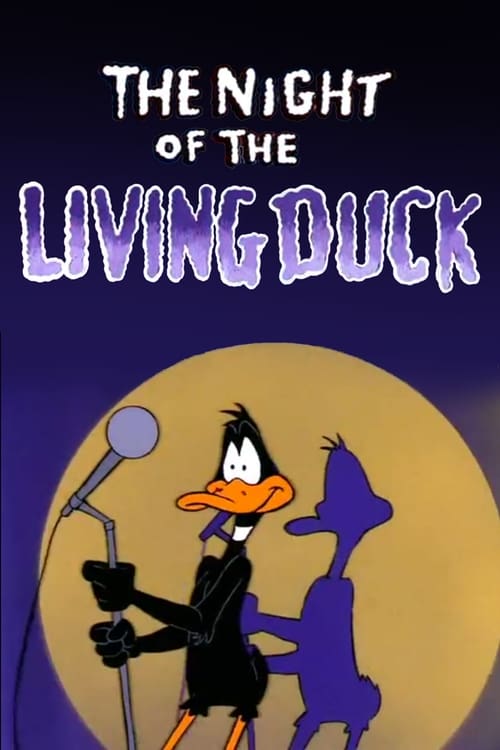
The Night of the Living Duck
1988
No user ratings available yet
Diversity score: 2.2 out of 10

1937
ApprovedDirector
Frank Tashlin
Runtime
8 minutes
Average Rating
No ratings yetSynopsis
Porky Pig and his family inherit Uncle Solomon's estate, but if they die everything goes to the lawyer, who turns himself into a Mr. Hyde-style monster in an effort to kill off the pigs.
Overall Score
Minimal
Category Breakdown
LGBTQ+ Representation
The film focuses entirely on a familial inheritance conflict. There are no depictions of non-cisnormative identities or same-sex intimacy.
Gender Representation
The story centers on a male protagonist and a male antagonist. It lacks female agency and provides minimal subversion of traditional gender roles.
Racial & Ethnic Diversity
The cast is a homogeneous group of anthropomorphic animals. The narrative lacks racial or ethnic diversity and avoids using species as metaphors for marginalized identities.
Religious & Cultural Diversity
The plot reinforces Western concepts of private property and lineage. It uses traditional institutions like legal inheritance as the primary driver of the story.
Disability Representation
A speech impediment is used primarily as a tool for slapstick timing. The stutter serves as a comedic device rather than a nuanced portrayal of neurodivergence.
Strengths
Areas for Improvement
AI Analysis
This 1937 short functions as a standard comedic gag-driven narrative. It relies heavily on traditional tropes of inheritance and physical comedy to drive its plot. The film reflects the era's tendency to use communicative differences for entertainment rather than character depth. It lacks intentionality regarding intersectional representation or social critique. Ultimately, the work maintains a status quo that avoids challenging established social hierarchies, focusing instead on high-energy, rhythmic animation.
1988
1923
1991
1946
No reviews yet. Be the first to share your thoughts on this movie!
Use the rating form above to leave a star rating and optional review.