
Flop Secret
1951
No user ratings available yet
Representation score: 3.3 out of 10
Representation Score
Minimal
1951
ApprovedDirector
Eddie Donnelly
Runtime
6 minutes
Average Rating
No ratings yetNew Showbiz Analysis
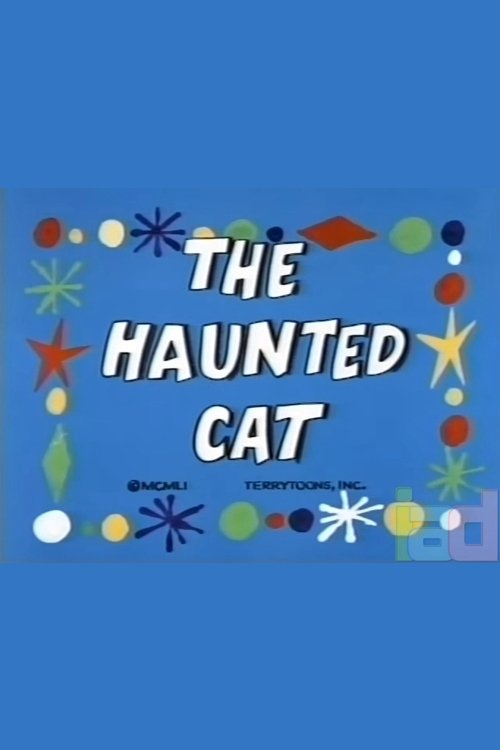
The Haunted Cat is a conventional mid-century animated short centered on physical comedy and slapstick violence. The narrative emphasizes a cyclical rivalry between a cat and a mouse, rather than identity-driven storytelling. The film focuses on a localized conflict, lacking the intentionality needed to challenge social hierarchies. Reflecting the standard animation values of 1951, it offers little engagement with broader social or cultural issues. Ultimately, the film serves as a straightforward comedic piece without addressing progressive representation or social critique.
Category Breakdown
The film does not include any LGBTQ+ identities or same-sex relationships. It focuses solely on a predator-prey dynamic without exploring any queer themes.
The anthropomorphic characters avoid human gender hierarchies, but the film relies on typical slapstick humor. There is no evidence of complex character development or gender-specific roles.
The story revolves around a binary conflict between a cat and a mouse. It does not feature a diverse cast or varied ethnic identities.
The film adheres to a traditional mid-century animation structure. It does not explore secularism, anti-capitalism, or critiques of Western institutions.
The film does not include any characters with visible or invisible disabilities. The themes of death and fear are used as comedic elements rather than nuanced explorations of disability.
Present on Screen
Limited or Absent
Official Synopsis
Following one of their usual violent fights, the cat thinks he has killed Little Roquefort, and buries him, with a lot of sadness, in a flower pot. The mouse is not dead, of course, and he returns to frighten the cat, and does so to the point he thinks the cat has died. He hasn't and when the cat makes a comeback, they are both scared of each other.
1951
1994
1951
1939
1947
1944
1949
1951
No reviews yet. Be the first to share your thoughts on this movie!
Use the rating form above to leave a star rating and optional review.