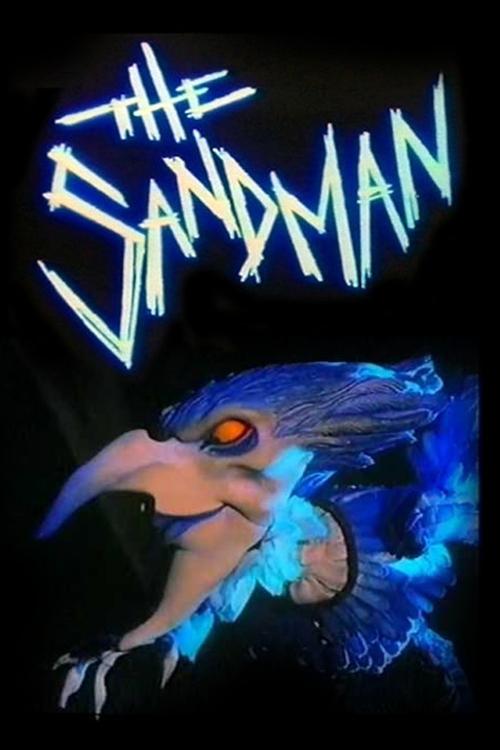
The Sandman
1991
No user ratings available yet
Representation score: 0.9 out of 10

Representation Score
Fair
1980
PGDirector
Gene Deitch
Runtime
14 minutes
Average Rating
No ratings yetNew Showbiz Analysis
Gene Deitch's work is known for its avant-garde, surrealist style that challenges conventional animation norms. This film primarily serves as dark folklore, focusing on creating tension rather than broad representation. The story structure centers on survival and situational ethics. While it avoids direct characters who reflect more than one aspect of diversity, it challenges traditional fairy tales by incorporating horror and systemic threats. Ultimately, the film's impact comes from its unique visual style and narrative complexity rather than its range of representation.
Category Breakdown
The film doesn't include any explicit LGBTQ+ characters or stories. It follows a traditional folkloric plot with a clear hero and villain.
The story revolves around a conflict between a young boy and a female witch. This portrayal emphasizes the witch as a chaotic force rather than a stabilizing influence.
The film does not feature diverse ethnic casting or character designs. It likely adheres to Eurocentric aesthetics typical of 1980s folkloric animation.
The narrative explores moral ambiguity through horror and mystery. It challenges traditional safety by presenting the world as a dangerous place filled with predators.
There are no characters with visible or invisible disabilities mentioned in the story or character descriptions.
Present on Screen
Limited or Absent
Official Synopsis
A deliciously scary story about a boy who outsmarts an old witch-woman before she can have him and his brothers for dinner.
1991
1990

1988
1961
2008

1983
1987
1978
No reviews yet. Be the first to share your thoughts on this movie!
Use the rating form above to leave a star rating and optional review.