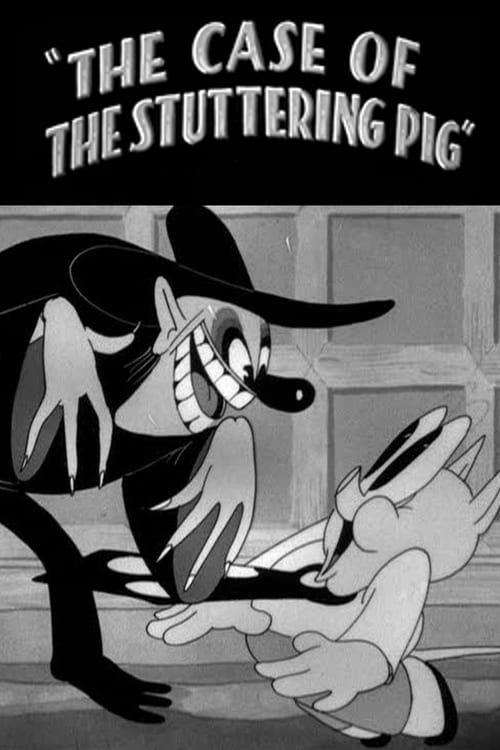
The Case of the Stuttering Pig
1937
No user ratings available yet
Representation score: 1.7 out of 10
Representation Score
Limited
1988
GDirector
Greg Ford, Terry Lennon
Runtime
6 minutes
Average Rating
No ratings yetNew Showbiz Analysis
The film is a traditional short-form animation that prioritizes genre-based comedy and established character legacies. It functions primarily as escapism, adhering to conventional storytelling clichés rather than social commentary. Representation is limited by the film's focus on a singular protagonist and a cast of non-human monster archetypes. Because the setting is a surreal dream state, the narrative lacks the framework to address human social hierarchies or overlapping identities. Ultimately, the work remains within the logic of the Merrie Melodies universe, favoring slapstick and horror clichés over diverse or systemic character development.
Category Breakdown
The film centers around a surreal dream sequence and traditional slapstick humor. There are no LGBTQ+ characters or non-straight identities present.
The story focuses mainly on the actions of Daffy Duck. The monster-filled nightclub serves as a backdrop without exploring gender dynamics or hierarchies.
Diversity is shown through various monster species rather than human racial or ethnic identities. The film does not engage with racial blending or challenge Anglo-centric norms.
The narrative follows Western entertainment clichés, particularly the nightclub entertainer archetype. It does not challenge Western institutions or provide any cultural or religious critique.
Physical vulnerability is used as a comedic plot device to trigger the dream sequence. There is no exploration of neurodivergent or physical disability.
Present on Screen
Limited or Absent
Official Synopsis
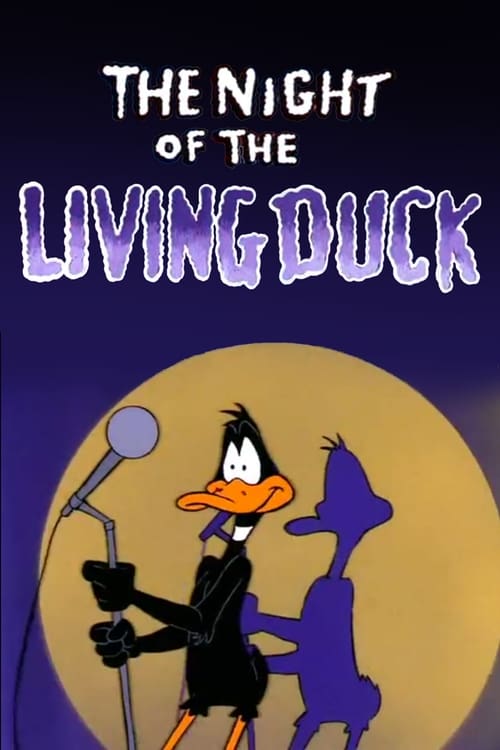
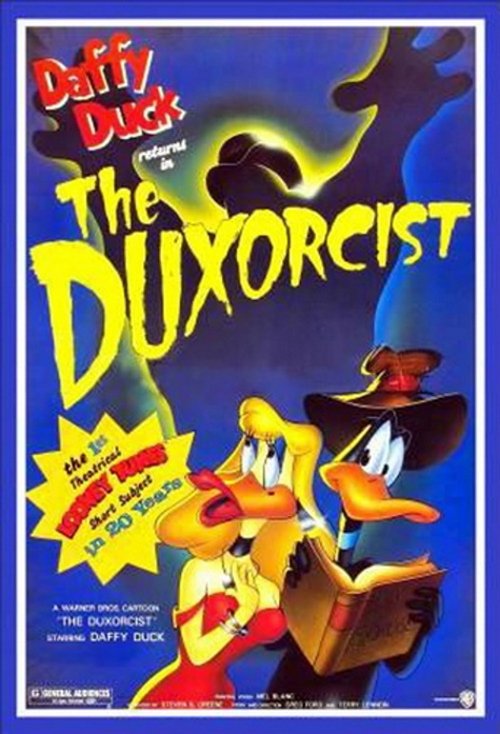
After indulging in horror comic book reading, Daffy has a dream where he is singing in a nightclub for monsters.
1937
1991
1923
2004
1987
1931
1963
2011
No reviews yet. Be the first to share your thoughts on this movie!
Use the rating form above to leave a star rating and optional review.