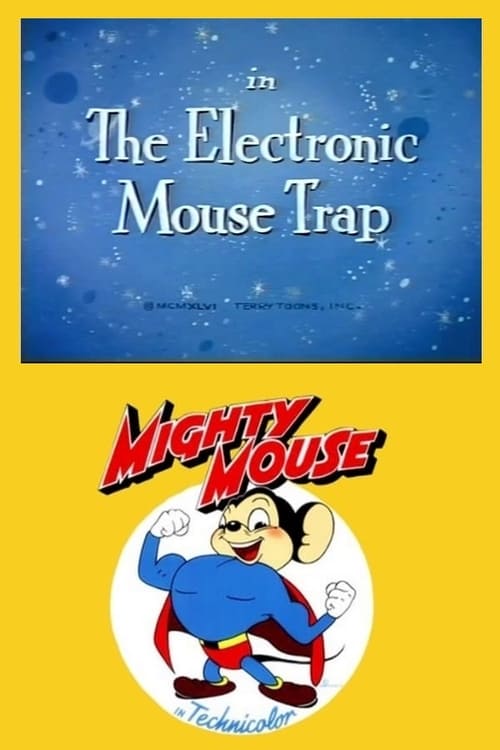
The Electronic Mouse Trap
1946
No user ratings available yet
Representation score: 0.4 out of 10
No Poster Available
Representation Score
Minimal
1946
ApprovedDirector
Eddie Donnelly
Runtime
6 minutes
Average Rating
No ratings yetNew Showbiz Analysis
Svengali's Cat is a typical mid-century animated short that relies heavily on well-established genre clichés. The narrative structure revolves around predictable archetypes, such as the dastardly villain and the heroic savior, which reinforce traditional social order rather than challenge it. The film lacks depth in reflecting multiple aspects of identity, focusing instead on a simple predatory dynamic. By using the femme fatale cliché and a masculine hero archetype, the story reinforces conventional gender hierarchies and binary moralities common to the 1940s. Ultimately, the absence of diverse identities or complex social subversion leads to a narrow narrative scope. The characters function primarily as tools for a restorative plot arc rather than as multifaceted individuals.
Category Breakdown
The film does not include any representations of LGBTQ+ identities or same-sex relationships. The storyline focuses solely on a predatory relationship between a male cat and a female mouse.
Women's roles are limited to the 'femme fatale' stereotype, where the female character supports the villain's goals. Mighty Mouse upholds traditional gender roles by serving as the masculine protector.
The cast of anthropomorphic animals does not provide any representation of racial or ethnic diversity. The story unfolds within a purely biological setting without incorporating ethnic complexity.
The plot adheres to a straightforward moral dichotomy of good versus evil. It emphasizes traditional notions of justice and societal stability without delving into cultural or moral relativism.
Characters do not have nuanced portrayals of neurodivergence or disability. There is no exploration of psychological or neurological themes, limiting the depth of these characters.
Present on Screen
Limited or Absent
Official Synopsis
A hypnotist cat charms a sweet young mouse femme-fatale into luring all the mice in town into his cellar, with intent of eating them. But, with his super-senses hitting on all cylinders, the super-hero mouse, Mighty Mouse, zooms in and puts an end to the dastardly scheme.
1946
1946
1949
1949
1949
1961

1942
1950
No reviews yet. Be the first to share your thoughts on this movie!
Use the rating form above to leave a star rating and optional review.