
Enter Arsène Lupin
1944
No user ratings available yet
Representation score: 1.8 out of 10

Representation Score
Minimal
1932
NRDirector
Jack Conway
Runtime
84 minutes
Average Rating
No ratings yetNew Showbiz Analysis
Arsène Lupin is a classic example of early 1930s filmmaking, emphasizing polished genre storytelling over social critique. The film is a traditional adventure story set within a homogeneous social context. While the 'gentleman thief' character offers a subtle twist on traditional morality by romanticizing rebellion, the film lacks diverse representation. It upholds the era's traditional hierarchies based on race, gender, and class. Overall, the story caters to a narrow audience, centered around the charm of a single protagonist in a strictly Eurocentric and straight-centered world.
Category Breakdown
The film follows typical 1930s romance clichés and does not include any non-straight or non-cisgender identities or stories that challenge the idea that everyone is straight or cisgender.
The film follows traditional gender roles where male characters have more control over the plot. Female characters mainly serve as romantic interests or damsels in distress within these established hierarchies.
The cast is predominantly white and European. The film focuses on high-society Parisian life, which is dominated by Anglo-European aristocracy without much ethnic diversity.
The film portrays theft as a clever game of wit rather than just criminal behavior. However, it stays within the style of upper-class life.
There is no representation of physical, sensory, or neurodivergent disabilities in the film.
Present on Screen
Limited or Absent
Official Synopsis
A charming and very daring thief known as Arsene Lupin is terrorizing the wealthy of Paris. He even goes so far as to threaten the Mona Lisa. But the police, led by the great Guerchard, think they know Arsene Lupin's identity, and they have a secret weapon to catch him.
1944

1934

2004
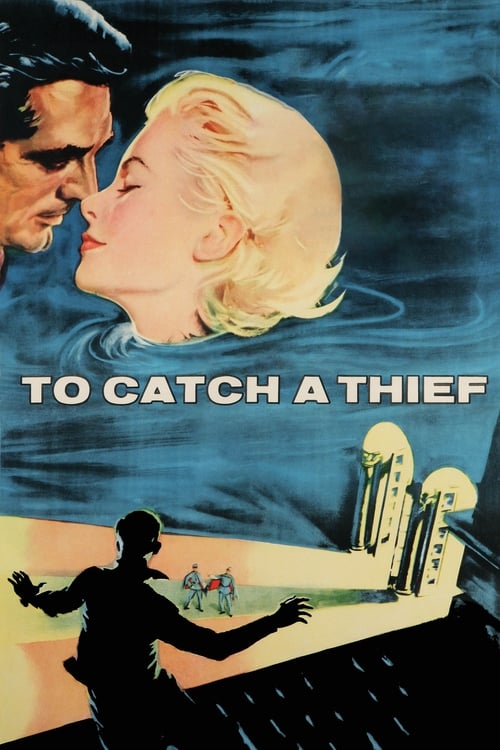
1955
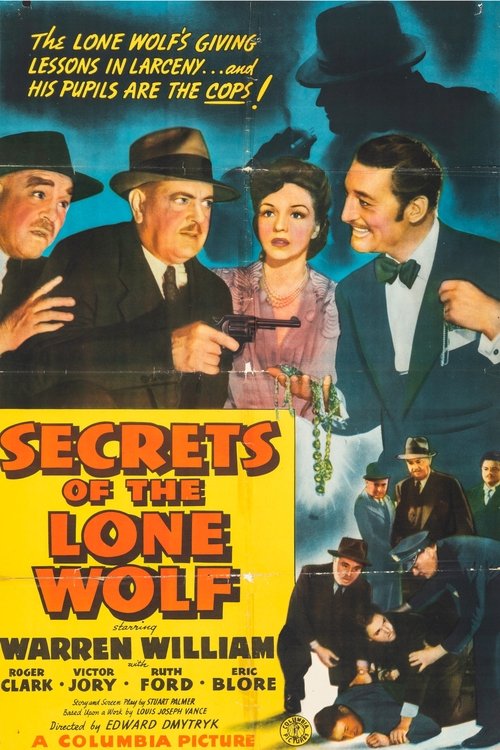
1941
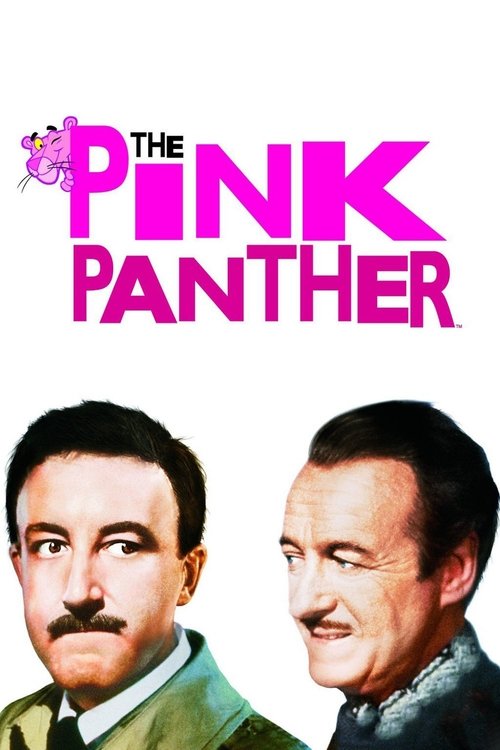
1963
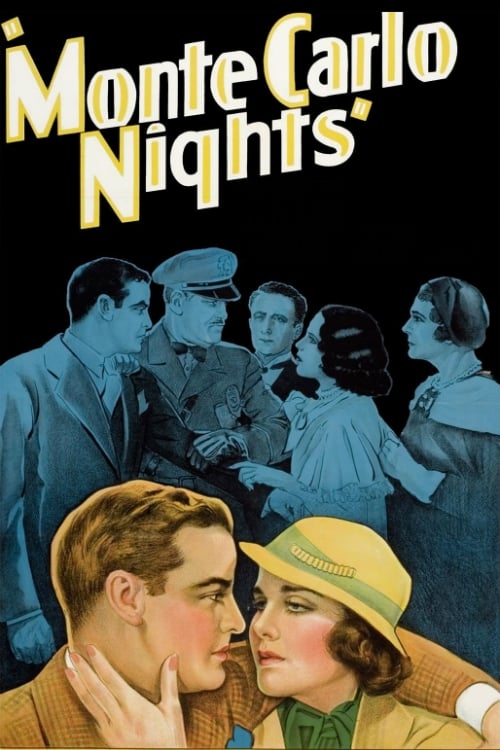
1934

1930
No reviews yet. Be the first to share your thoughts on this movie!
Use the rating form above to leave a star rating and optional review.