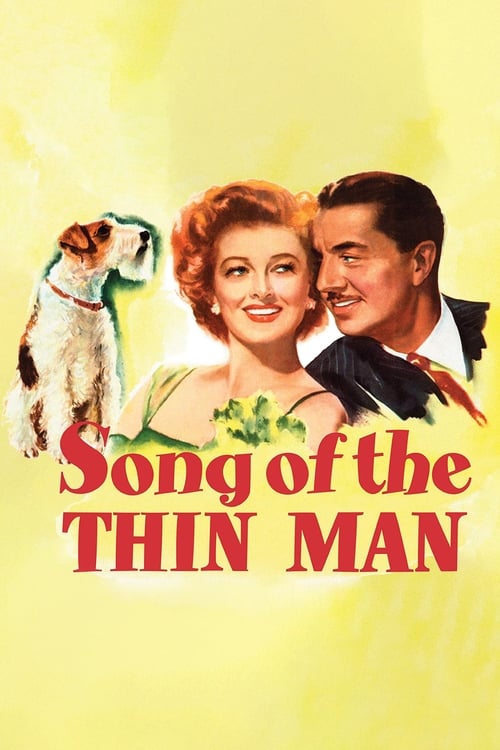
Song of the Thin Man
1947
No user ratings available yet
Representation score: 1.5 out of 10
Representation Score
Minimal
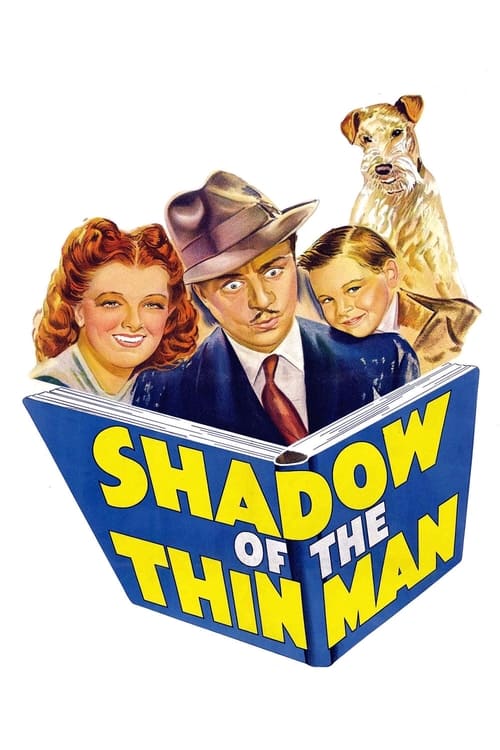
1941
NRDirector
W.S. Van Dyke
Runtime
97 minutes
Average Rating
No ratings yetNew Showbiz Analysis
Shadow of the Thin Man is a quintessential product of its era, prioritizing established social hierarchies. While it offers a progressive look at marital partnership, it remains deeply rooted in the demographic norms of 1941. The film's strength lies in its subversion of gendered power dynamics. By presenting a witty, intellectual female lead, it moves away from the era's more restrictive female roles. However, this progress is heavily offset by a lack of racial, ethnic, and LGBTQ+ representation. The story functions to uphold, rather than challenge, the cultural and institutional norms of the time.
Category Breakdown
The film does not include any LGBTQ+ characters or themes. The social interactions are confined to the heterosexual norms of 1940s high society.
Nick and Nora Charles form an equal partnership that avoids the damsel in distress cliché. Nora plays a significant role in driving the story and intelligence, challenging the submissive female stereotypes of the era.
The cast focuses almost exclusively on a homogeneous, affluent, Anglo-Saxon social circle. There is a notable absence of racial or ethnic diversity within the primary settings.
The narrative upholds traditional Western institutions and the stability of the nuclear family. It operates within a framework of clear moral distinctions common to the mystery genre.
No visible or invisible disabilities are portrayed as central to character arcs. Characters with disabilities are not used as plot devices.
Present on Screen
Limited or Absent
Official Synopsis
While attending a major horse race with their young son, Nick Jr., Nick and Nora Charles witnesse a shocking murder from the crowded grandstand. What first appears to be an isolated killing soon leads to a maze of corruption, blackmail, gambling scandals, and criminal intrigue. As Nick investigates, he encounters suspicious bookmakers, dishonest officials, rival gangsters, and a mysterious killer determined to stay ahead of the law. Nora, as always, is never far from the action, bringing her quick wit and fearless curiosity to the case.
1947
1939
1939
1934
1935
1936
1939
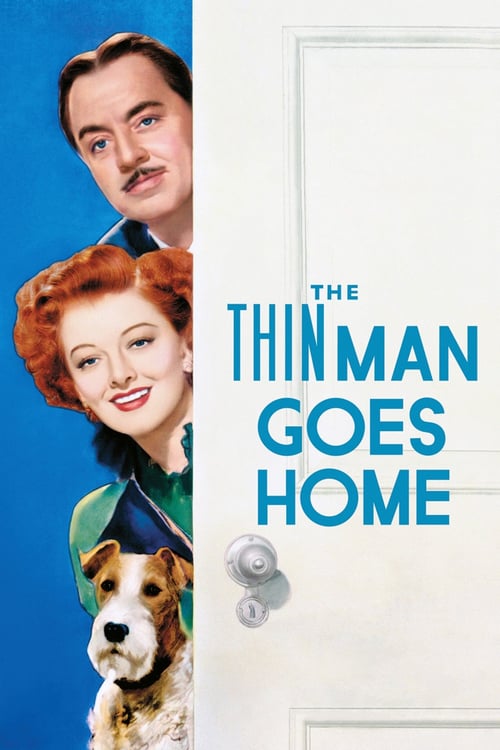
1944
No reviews yet. Be the first to share your thoughts on this movie!
Use the rating form above to leave a star rating and optional review.