Iron to Gold
1922
No user ratings available yet
Representation score: 1.4 out of 10
Representation Score
Minimal
1925
PassedDirector
Horace B. Carpenter
Runtime
54 minutes
Average Rating
No ratings yetNew Showbiz Analysis
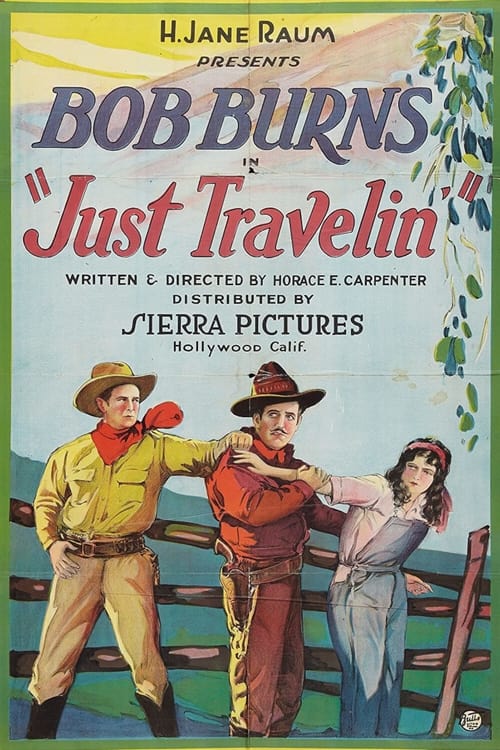
Just Travelin' is a classic example of the 1925 Western genre, adhering closely to its established conventions. The film emphasizes traditional themes such as wealth and family protection without challenging them. The story reinforces conventional gender roles and social hierarchies by focusing on heroes, outlaws, and female characters defined by their relationships to them. It does not attempt to subvert these norms.
Category Breakdown
The film does not depict any non-straight relationships or same-sex intimacy. Traditional courtship and threats to heterosexual relationships drive the plot.
Female characters play minor roles, often serving as prizes or motivations for male characters. The damsel in distress cliché is prevalent.
The story follows traditional Western archetypes from the 1920s, centered around white protagonists. There is no representation of diverse racial or ethnic backgrounds.
The film emphasizes simple moral binaries between lawful and criminal behavior. It focuses on personal goals like wealth and marriage without addressing broader cultural issues.
There is no mention of characters with physical, sensory, or neurodivergent disabilities. The narrative does not address disability in any way.
Present on Screen
Limited or Absent
Official Synopsis
Jus' travlin', Bob and his sidekick run into the outlaw Jean Le Roque. A miner has found gold and Le Roque not only wants the gold but also the miner's daughter. He captures the miner and tries to get the mine's location from him. He also tells the daughter he will kill her father unless she marries him. After disposing of Le Roque's gang by accidentally setting off a explosive charge that kills them, Bob goes after Le Roque.
1922

1937
1934

1938
1929
1925
1927
1932
No reviews yet. Be the first to share your thoughts on this movie!
Use the rating form above to leave a star rating and optional review.