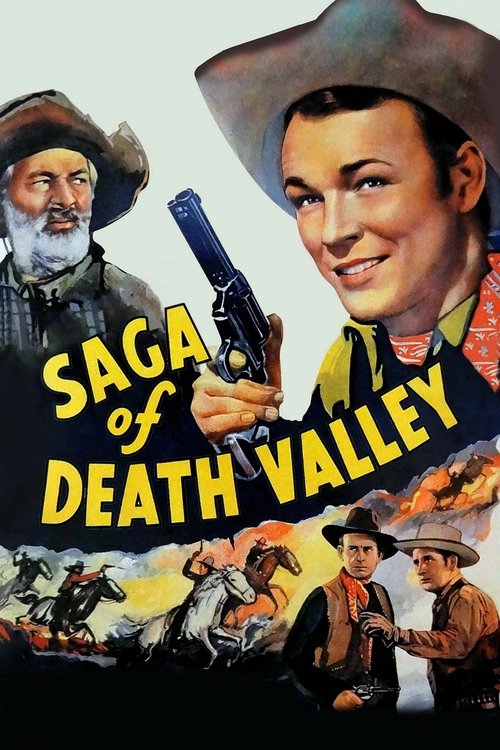
Saga of Death Valley
1939
No user ratings available yet
Representation score: 0.3 out of 10
Representation Score
Minimal
1933
PassedDirector
Lloyd Nosler
Runtime
55 minutes
Average Rating
No ratings yetNew Showbiz Analysis
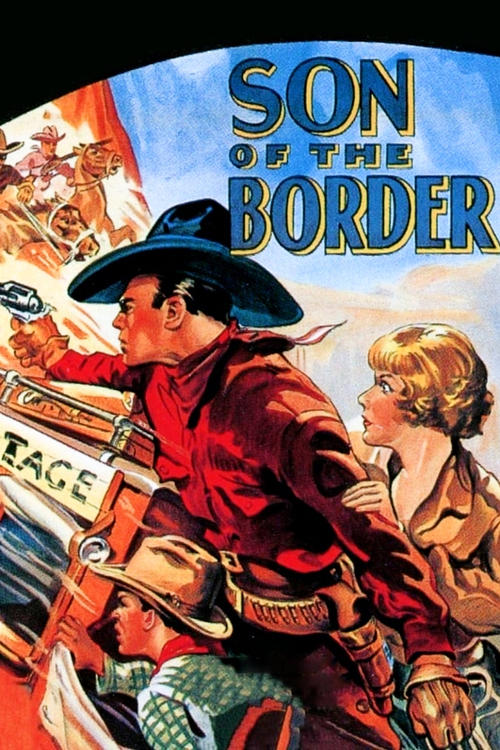
Son of the Border is a quintessential 1930s B-Western that prioritizes established genre clichés over narrative subversion. The film reinforces traditional social hierarchies through a story centered on masculine conflict, ranching, and moral dichotomies. The production follows the standard RKO studio model of the era, emphasizing clear distinctions between the honest protagonist and the outlaw antagonist. This structure reinforces conventional Western morality and traditional family responsibilities. Ultimately, the film offers minimal disruption to historical social norms, focusing instead on a homogeneous depiction of the American West through a narrow, traditional lens.
Category Breakdown
The film adheres to strict conventions that assume everyone is straight or cisgender. There is no indication of non-assuming gender matches what was assigned at birth identities or same-sex intimacy.
The story centers on a male-dominated landscape of ranching and outlawry. While Julie Haydon appears in the cast, the plot is driven by male control over the story and traditional masculine archetypes.
The film reflects the era's cinematic norms by focusing on a predominantly Anglo-Saxon lens. There is no evidence of diverse character's ability to drive the story or race-bent casting.
The narrative relies on a classic moral framework of honesty versus outlawry. Themes of orphanhood and domestic duty align with conventional depictions of social responsibility.
The film contains no evidence of characters with visible or invisible disabilities.
Present on Screen
Limited or Absent
Official Synopsis
An honest rancher, after killing his best friend who's turned outlaw, takes his pal's orphaned younger brother into his own home. The boy, however, isn't aware he's now living with the man responsible for his brother's death. This 1933 RKO B-western, directed by Lloyd Nosler, stars Tom Keene, Lon Chaney Jr., David Durand, Julie Haydon, Edgar Kennedy, Charles King and Al Bridge.
1939
1931
1935
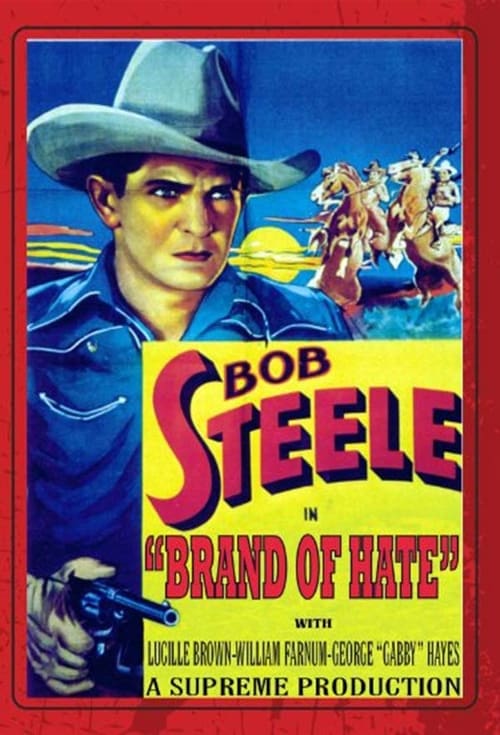
1934
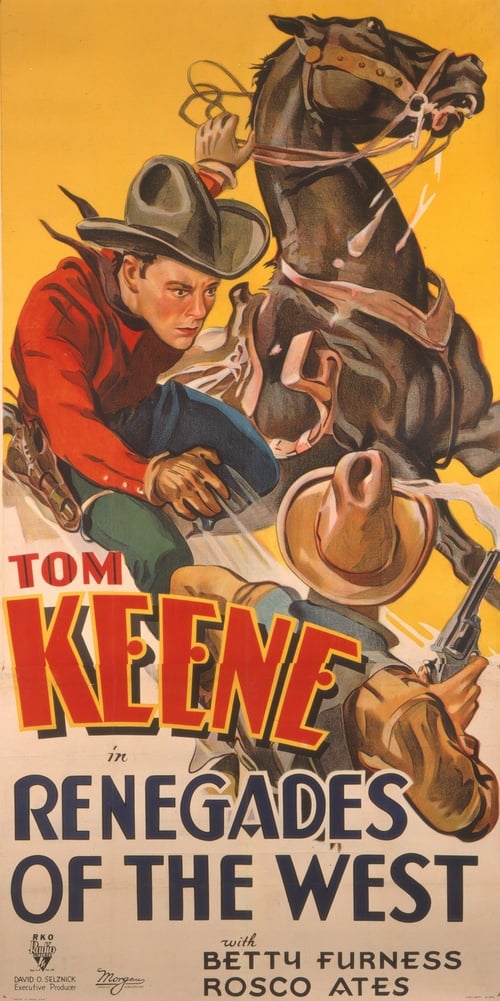
1932
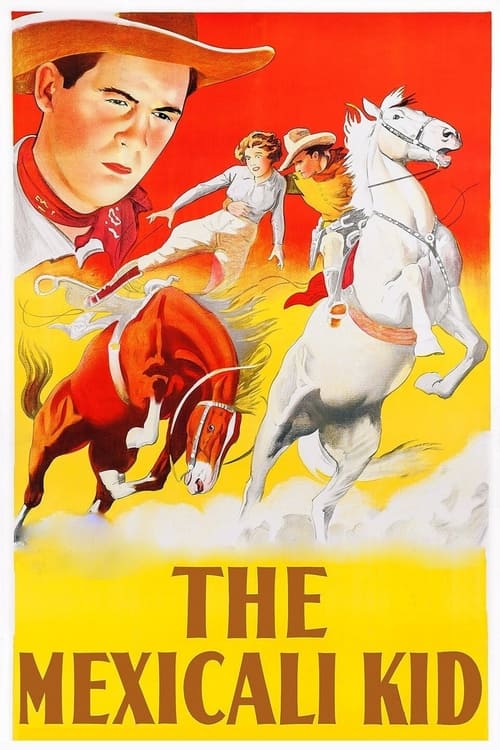
1938
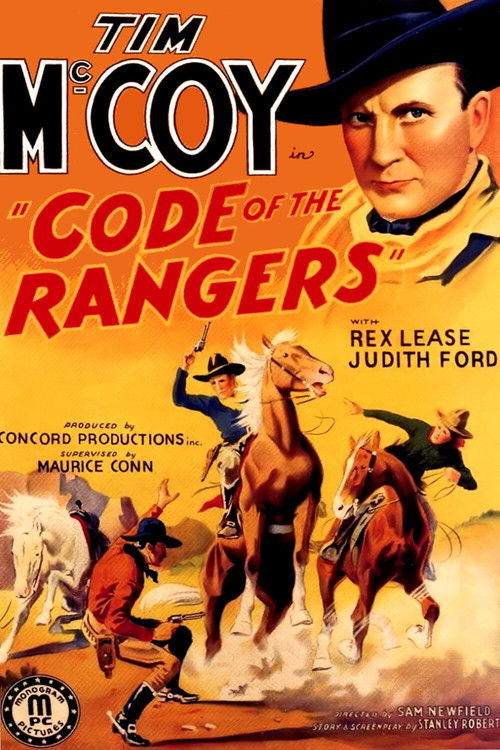
1938
1931
No reviews yet. Be the first to share your thoughts on this movie!
Use the rating form above to leave a star rating and optional review.