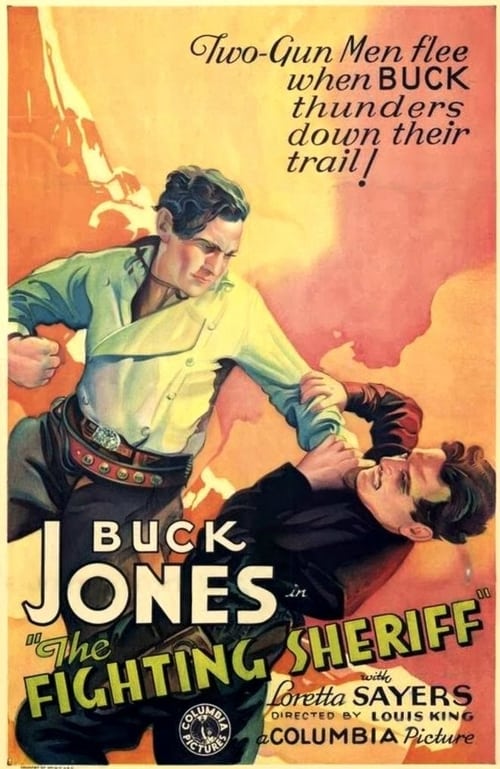
The Fighting Sheriff
1931
No user ratings available yet
Diversity score: 2.2 out of 10
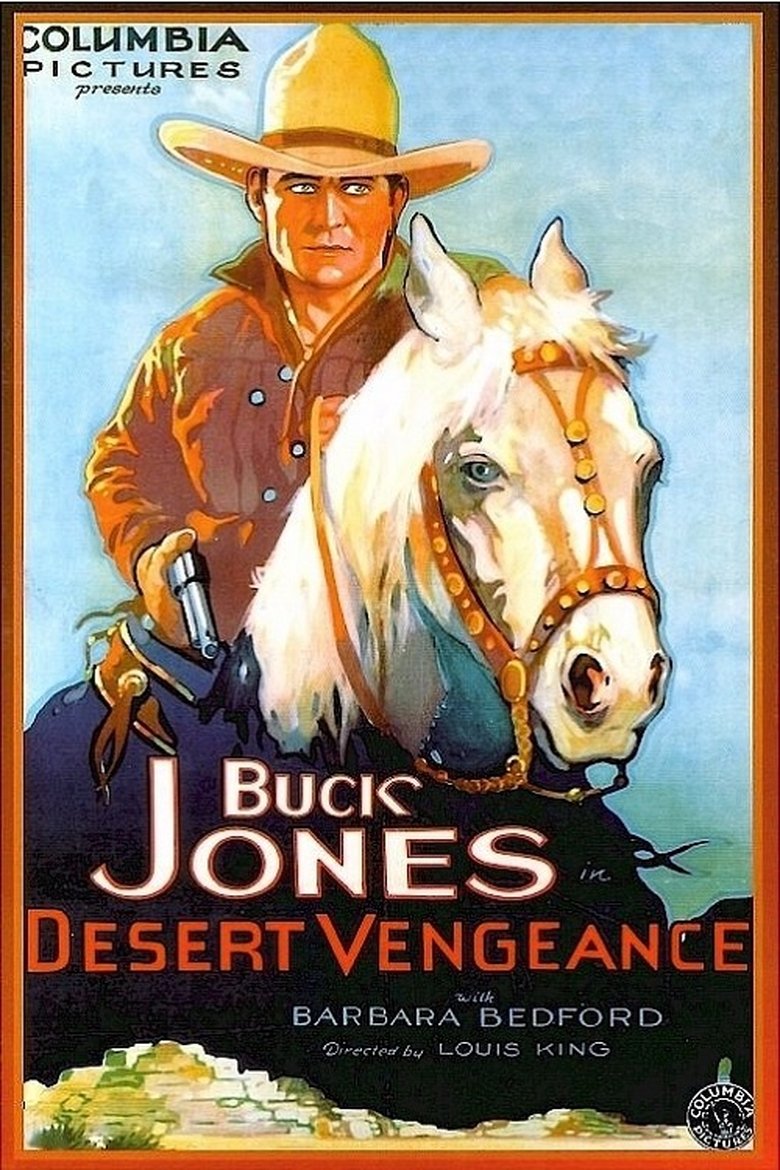
1931
PassedDirector
Louis King
Runtime
65 minutes
Average Rating
No ratings yetSynopsis
Brother and sister Hugh and Anne Dixon pull their fake suicide scam on Jim Cardew. Hugh leaves a note for Jim to take care of Anne. After Jim proposes and leaves money to Anne, he learns of their scheme. Not revealing his knowledge he gets them to return with him to his desert hideout where he and his outlaw gang reside and from which the Dixon's only escape is 30 miles of desert on foot.
Overall Score
Limited
Category Breakdown
LGBTQ+ Representation
The film lacks any evidence of non-heteronormative identities or same-sex intimacy. The central romantic tension follows traditional courtship tropes common to the era.
Gender Representation
Anne Dixon is central to the plot, yet her agency remains tied to her brother and the male protagonist. The story reinforces conventional gender hierarchies and financial dependency.
Racial & Ethnic Diversity
The narrative focuses on a white-coded ensemble of siblings and outlaws. There is no mention of non-Anglo-Saxon characters or diverse ethnic perspectives.
Religious & Cultural Diversity
The film emphasizes individual retribution and frontier lawlessness. It adheres to traditional Western tropes rather than offering a critique of social hierarchies or institutions.
Disability Representation
The synopsis provides no information regarding the portrayal of physical or neurodivergent disabilities.
Strengths
Areas for Improvement
AI Analysis
Desert Vengeance functions as a standard 1931 Western, leaning heavily on established genre archetypes. The plot centers on a deception-driven conflict involving a scam and subsequent desert survival, which prioritizes traditional narrative tension over social complexity. The film reflects the era's cinematic constraints, presenting a homogeneous cast and conventional gender dynamics. Characters operate within rigid roles, with female agency largely defined by male actions and financial stability. Ultimately, the work lacks intersectional representation or any subversion of the period's social norms. It remains a straightforward period piece focused on rugged individualism and frontier justice.
1931
1929
1923
1943
1924
1929
1930
1926
1938
1934
1932
1951
No reviews yet. Be the first to share your thoughts on this movie!
Use the rating form above to leave a star rating and optional review.