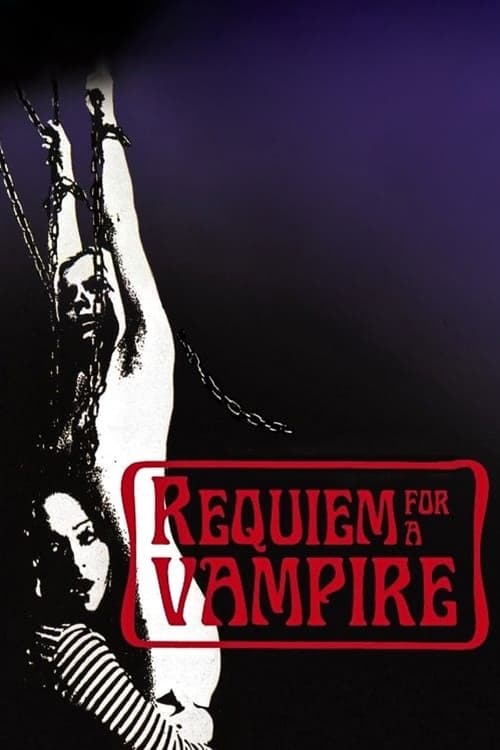
Requiem for a Vampire
1972
No user ratings available yet
Representation score: 8.0 out of 10
Representation Score
Good
1968
Not RatedDirector
Jean Rollin
Runtime
95 minutes
Average Rating
No ratings yetNew Showbiz Analysis
Jean Rollin’s work challenges conventional narrative structures by prioritizing dream logic and eroticism over mainstream norms. The film places female supernatural entities in powerful positions that defy masculine intellectual authority. However, the film remains limited by the demographic norms of its era, showing little racial diversity. While the surrealist approach allows for exploring non-traditional themes, the representation of disability remains symbolic and lacks clear character roles. Ultimately, the film critiques modern rationalism, using its mythic setting to prioritize subjective experience over scientific certainty.
Category Breakdown
The film uses surreal storytelling to explore non-traditional desires and blurred gender boundaries. Romantic pairings are not explicitly detailed, but the work delves into unconventional relationships.
The narrative focuses on female empowerment through supernatural powers, such as those wielded by the Queen of the Vampires and her sisters. It challenges male authority by making the male psychoanalyst's logic ineffective.
The cast appears to follow the traditional demographic patterns of 1960s French genre cinema. There is no evidence of intentional race-bending or a non-Anglo-Saxon majority.
The film critiques institutional authority by depicting Western scientific rationalism as incapable of understanding reality. It favors mythic truths over established social or religious norms.
The undead state might symbolize neurodivergence or physical disability, but it is unclear if these characters have meaningful roles within a disability framework.
Present on Screen
Limited or Absent
Official Synopsis
After a psychoanalyst unsuccessfully tries to convince four sisters that they are not 200 year old vampires, the Queen of the Vampires promulgates the cause of the Undead.
1972
1960
1971
1971
1982
1972
1971
1970
No reviews yet. Be the first to share your thoughts on this movie!
Use the rating form above to leave a star rating and optional review.